
Story
Google Inks Record Carbon Removal Deal Targeting Methane and CO2 in Brazil
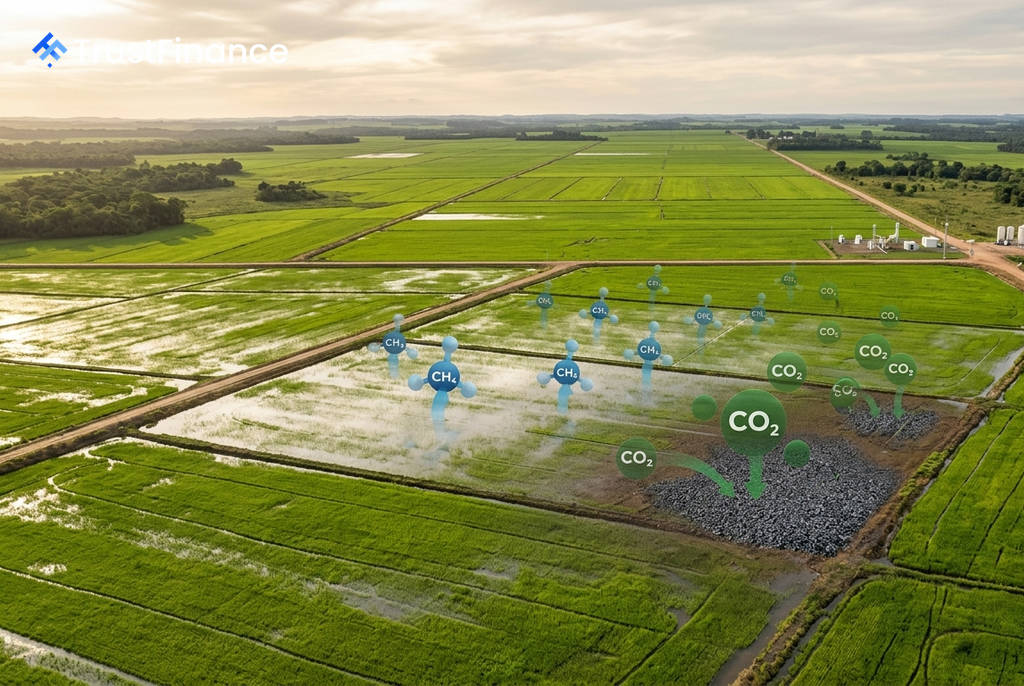
Google has entered into its most significant carbon-removal agreement yet, supporting a project in Brazil developed by Terradot that aims to simultaneously capture atmospheric carbon dioxide and reduce methane emissions from agriculture, executives told Reuters.
Project Scope and Technology
The initiative, located in Brazil's southern state of Rio Grande do Sul, is the largest enhanced rock-weathering project to date, spanning over 200,000 hectares. This method accelerates the natural process where certain rocks absorb CO2. According to Randy Spock, Google's head of carbon removal, this is the first project at such a scale to combine methane abatement with long-term carbon removal.
The project has two primary goals:
- To generate 1 million metric tons of methane-abatement credits by 2030.
- To generate 1 million tons of carbon-removal credits by 2040.
Google, which took an equity stake in Terradot in 2024, hopes this dual-approach model will serve as a template for future climate initiatives. Spock emphasized the necessity of addressing both short-lived pollutants like methane and long-term accumulated CO2, stating, "We need to do both."
Market Context and Strategic Importance
 Ad
The deal comes as major technology companies face increasing pressure to offset the significant carbon footprint of their energy-intensive data centers, a demand amplified by the growth of artificial intelligence. The Intergovernmental Panel on Climate Change has identified carbon removal as a necessary component in achieving global climate targets.
This project specifically targets rice paddies, which account for 10% to 12% of global methane emissions, according to a 2021 U.N. assessment. The focus on methane, a potent greenhouse gas, is expected to be a key topic at the upcoming COP31 climate talks.
Cost and Future Scalability
While the financial terms of the deal were not disclosed, Terradot CEO James Kanoff stated the cost per ton for this project would be lower than previous deals. A 2024 agreement for Terradot credits implied a price of roughly $300 per ton, significantly higher than the $100 per ton threshold many experts believe is needed for widespread adoption. Kanoff said the new project represents "a big step toward that" goal.
Terradot aims to lower costs by reducing the frequency of expensive third-party verification. The company plans to expand the model across Brazil's 1.5 million hectares of rice fields and replicate it in other major rice-growing regions. Terradot intends to launch pilots in several countries in 2026, with a target for commercial scale-up by 2028.
Read next
More on Stocks
FTC Orders Walmart, Uber, Delta to Disclose Data on Personalized Pricing
The U.S. Federal Trade Commission is demanding nine major companies, including leading retail, travel, and gig economy firms, to provide information on how they use consumer data for setting individual prices and wages.

Google Launches Gemini 4 Carbon AI Model to Bolster Cybersecurity Capabilities
Alphabet's Google has unveiled Gemini 4 Carbon, its latest AI model specifically designed for advanced cybersecurity tasks like vulnerability detection and secure code generation. The launch escalates competition with rivals OpenAI and Anthropic in the enterprise AI market.

Oracle Shares Surge After Unveiling $225 Billion Revenue Target for 2030
Oracle stock rose sharply after the company presented a long-term financial outlook targeting at least $225 billion in annual revenue by fiscal 2030, driven by its expanding AI infrastructure business.

DOJ Scrutinizes Nvidia's $12.9B Hugging Face Deal Amid Broader Antitrust Probe, Sources Say
The U.S. Department of Justice is reportedly examining Nvidia's planned $12.93 billion acquisition of AI platform Hugging Face as part of a wider, ongoing antitrust investigation into the chipmaker's market conduct.