
Story
Federal Judge Denies xAI's Bid to Block Minnesota Ban on AI-Generated Nude Images
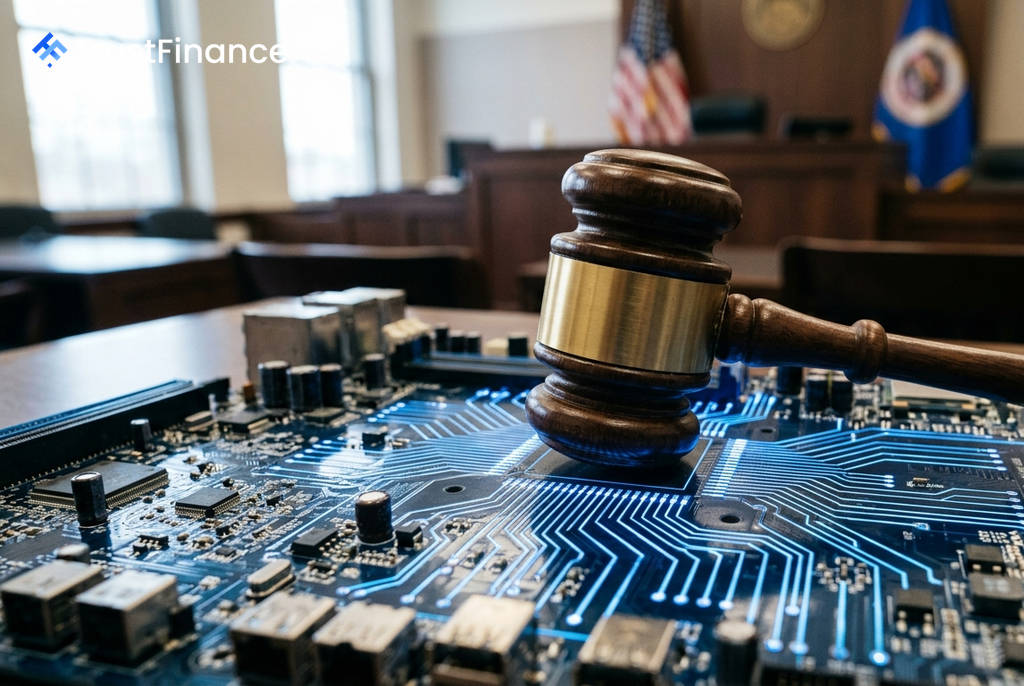
A federal judge on Friday denied a request by Elon Musk's xAI to block Minnesota's new law banning AI-generated fake nude images, allowing the first-of-its-kind measure to remain in force while a legal challenge proceeds. The artificial intelligence company had sought a preliminary injunction, arguing the law unconstitutionally restricts free speech.
The Court's Ruling
U.S. District Judge Donovan Frank concluded that xAI had failed to demonstrate it would suffer harm while its lawsuit continues, according to the court order. The judge denied the company's request for a preliminary injunction against the law, which took effect on August 1.
In his decision, Judge Frank described the legal questions as complex. “The constitutional issues raised by the parties are complex, particularly when considered in the context of this new technology and the risks that it poses to the public,” he wrote, adding that “these issues deserve, and will receive, full consideration.”
Competing Arguments
The case pits xAI's First Amendment claims against the state's public safety arguments. Key points in the dispute include:
 Ad
- xAI's Position: The company argues that the Minnesota law violates the U.S. Constitution’s First Amendment by restricting protected expressive activity.
- Minnesota's Position: The state contends the law is narrowly tailored to combat the creation and spread of nonconsensual sexual imagery using AI.
The law specifically prohibits website operators and software developers from enabling users to “nudify” images of identifiable individuals with artificial intelligence.
Broader Context and Industry Impact
This legal battle highlights the growing tension between AI development and regulation. Musk's own Grok AI chatbot has previously drawn criticism for its ability to generate sexually explicit content, and the company has reportedly begun suing users who bypass its technological safeguards to create such material.
The Minnesota case is being closely watched as it could set a precedent for how other states and regulators address the misuse of generative AI. The ruling ensures that, for now, tech companies must comply with the state's ban as the broader constitutional questions are litigated.
Read next
More on Stocks
FTC Orders Walmart, Uber, Delta to Disclose Data on Personalized Pricing
The U.S. Federal Trade Commission is demanding nine major companies, including leading retail, travel, and gig economy firms, to provide information on how they use consumer data for setting individual prices and wages.

Google Launches Gemini 4 Carbon AI Model to Bolster Cybersecurity Capabilities
Alphabet's Google has unveiled Gemini 4 Carbon, its latest AI model specifically designed for advanced cybersecurity tasks like vulnerability detection and secure code generation. The launch escalates competition with rivals OpenAI and Anthropic in the enterprise AI market.

Oracle Shares Surge After Unveiling $225 Billion Revenue Target for 2030
Oracle stock rose sharply after the company presented a long-term financial outlook targeting at least $225 billion in annual revenue by fiscal 2030, driven by its expanding AI infrastructure business.

DOJ Scrutinizes Nvidia's $12.9B Hugging Face Deal Amid Broader Antitrust Probe, Sources Say
The U.S. Department of Justice is reportedly examining Nvidia's planned $12.93 billion acquisition of AI platform Hugging Face as part of a wider, ongoing antitrust investigation into the chipmaker's market conduct.