
Story
Farm Belt Frustration Over Fuel, Trade Costs Shapes Key Wisconsin House Race
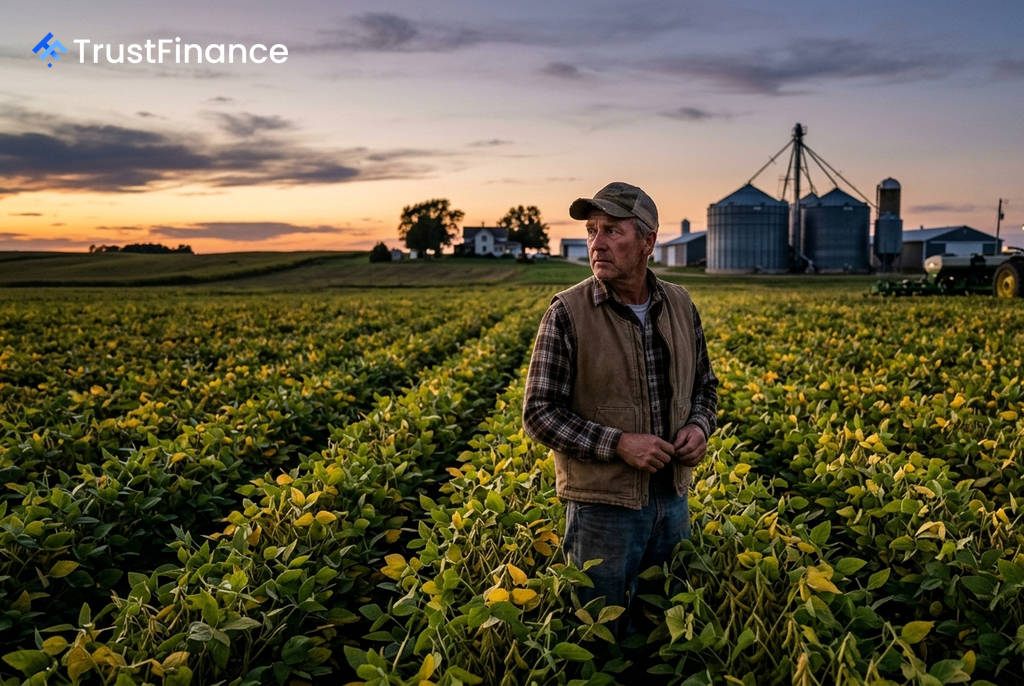
A competitive congressional race in rural Wisconsin is intensifying as voter frustrations mount over the economic consequences of President Trump's agricultural, trade, and foreign policies. The contest in the state's 3rd Congressional District, a key political bellwether, pits Republican incumbent Derrick Van Orden against Democratic challenger Rebecca Cooke in a race that could hinge on the financial pressures facing the region's farmers.
Economic Pressures in a Swing District
Rural voters in the district are contending with a sharp increase in operating costs, which Democrats attribute to the administration's policies. The conflict with Iran has been cited as a driver of higher energy prices, directly impacting farmers' expenses for fuel and fertilizer.
- According to American Automobile Association data, diesel in Wisconsin averaged $5.05 a gallon, a significant increase from $3.51 a year prior.
- An April survey by the American Farm Bureau found that 70% of its members were unable to afford fertilizer.
Furthermore, the administration's tariff policies have disrupted international trade, stalling purchases of key U.S. agricultural exports like soybeans—a major crop in the district—by consumers such as China. Cuts to federal programs like the SNAP food assistance program have also impacted the local economy, according to the report.
A Political Bellwether
 Ad
Wisconsin's 3rd District is one of a shrinking number of highly competitive seats, making it a focal point in the battle for control of the U.S. House of Representatives. The district voted for Barack Obama twice before flipping to support Donald Trump in his presidential elections. According to Reuters, the last three congressional elections there were decided by narrow margins of 3 to 4 percentage points.
Incumbent Derrick Van Orden, a retired Navy SEAL, has closely aligned himself with President Trump and his policies. He has voted against rescinding tariffs and is a vocal supporter of the war with Iran. Van Orden acknowledged in an interview with Reuters that the war increased costs but argued the "short-term trouble" was a worthy price for holding Iran accountable.
Voter Sentiment and Candidate Platforms
While President Trump remains popular with rural voters, a July 29 to August 3 Reuters/Ipsos poll showed his approval rating among them had fallen to 51% from 60% in February 2025. This shift in sentiment may create an opportunity for Cooke, a dairy farmer's daughter who frames herself as a moderate focused on rural issues.
Some local farmers have expressed deep concern over the economic climate. Dean Rosenbrook, a corn and soybean farmer, told Reuters that high fuel and fertilizer prices are "killing us." Cooke is campaigning on a platform of expanding support for rural hospitals, slowing farm consolidation, and strengthening labor unions. She argues that the economic fallout from current policies demonstrates a need for new representation.
Read next
More on Commodities
U.S. Crude Inventories Post Surprise Draw While Gasoline Stocks Swell, EIA Reports
U.S. crude oil stockpiles fell unexpectedly last week, driven by a surge in exports, while gasoline inventories saw a significant build amid weakening demand, according to the latest EIA data.

UBS Raises Year-End Brent Forecast to $110 on Middle East Supply Risks
UBS has increased its year-end forecast for Brent crude to $110 per barrel, citing escalating supply risks in the Middle East, declining global inventories, and record-high freight costs.

Iran Dismisses Latest Qatari Peace Proposal as 'Unacceptable'
A senior Iranian official has rejected the latest Qatari-mediated draft deal to end the eight-month war, calling the ideas 'unacceptable' and signaling a continued diplomatic impasse. The news comes amid rising oil prices following attacks on Saudi energy infrastructure.

Argentina Poised to Gain EU Soymeal Market Share as Deforestation Rules Hit Brazil
Argentina's soybean industry is preparing to capture a larger share of the European Union's soymeal market as new EU anti-deforestation rules are expected to disrupt exports from rival Brazil.