
Story
FAA to Restore Boeing's Authority to Certify New 737 MAX and 787 Aircraft
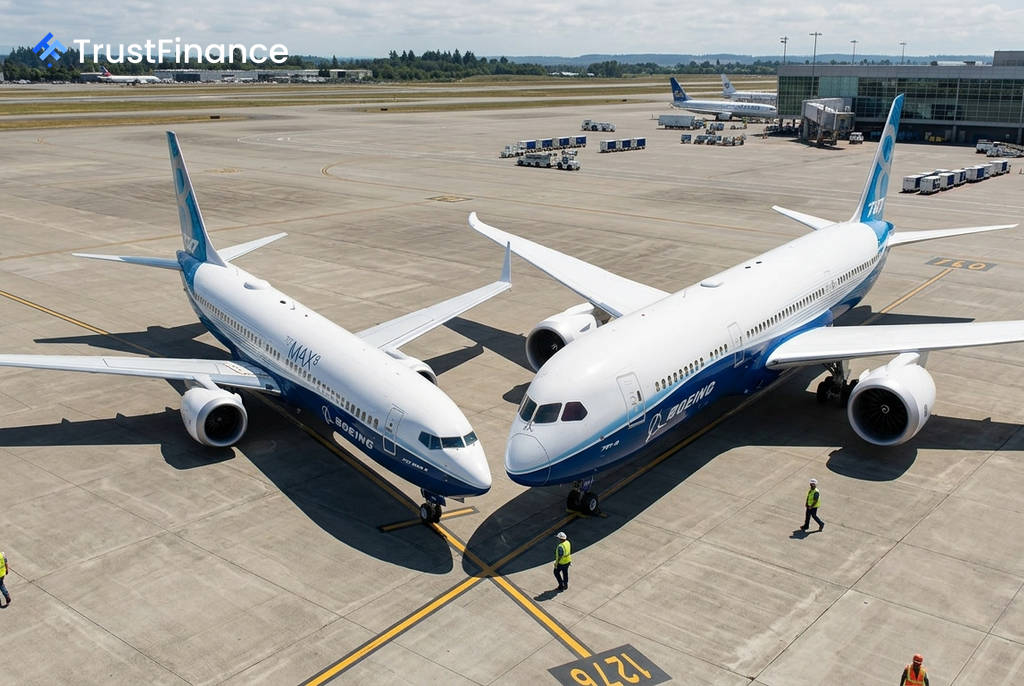
The U.S. Federal Aviation Administration (FAA) will restore Boeing's authority to issue airworthiness certificates for all new 737 MAX and 787 aircraft beginning next week, a significant vote of confidence in the manufacturer's production and safety oversight.
A Key Regulatory Milestone
The FAA informed the U.S. Congress of its decision on Friday, July 17, according to an email seen by Reuters. The agency stated the move follows a period of intense review and reflects its belief in the stability of the planemaker's manufacturing processes.
According to the communication, the FAA's decision is based on:
- Months of thorough data and safety review.
- A demonstration of consistent production quality by Boeing.
- The FAA's confidence in Boeing’s ability to issue the certificates under continued agency oversight.
Implications for Boeing
 Ad
This development marks a crucial step toward operational normalcy for Boeing (NYSE: BA) after years of heightened regulatory scrutiny. The FAA had previously stripped the company of this self-certification authority for its key commercial programs following two fatal 737 MAX crashes and widespread production issues with the 787 Dreamliner.
By regaining the ability to self-certify, Boeing can streamline its delivery process, which has been hampered by the need for individual FAA inspectors to sign off on each aircraft. This change is expected to reduce delivery bottlenecks, improve operational efficiency, and have a positive impact on the company's revenue and cash flow.
Context and Oversight
While Boeing will resume issuing its own certificates, the FAA has emphasized that it will maintain rigorous oversight of the company's procedures. The decision to return this authority suggests the regulator is satisfied with the improvements Boeing has made to its quality control systems since the crises began.
For investors, this news serves as a key indicator that Boeing is making tangible progress in moving past its most significant production and safety challenges. The ability to more efficiently deliver its two most important aircraft models is critical to the company's financial recovery and its competitiveness against rival Airbus.
Read next
More on Stocks
FTC Orders Walmart, Uber, Delta to Disclose Data on Personalized Pricing
The U.S. Federal Trade Commission is demanding nine major companies, including leading retail, travel, and gig economy firms, to provide information on how they use consumer data for setting individual prices and wages.

Google Launches Gemini 4 Carbon AI Model to Bolster Cybersecurity Capabilities
Alphabet's Google has unveiled Gemini 4 Carbon, its latest AI model specifically designed for advanced cybersecurity tasks like vulnerability detection and secure code generation. The launch escalates competition with rivals OpenAI and Anthropic in the enterprise AI market.

Oracle Shares Surge After Unveiling $225 Billion Revenue Target for 2030
Oracle stock rose sharply after the company presented a long-term financial outlook targeting at least $225 billion in annual revenue by fiscal 2030, driven by its expanding AI infrastructure business.

DOJ Scrutinizes Nvidia's $12.9B Hugging Face Deal Amid Broader Antitrust Probe, Sources Say
The U.S. Department of Justice is reportedly examining Nvidia's planned $12.93 billion acquisition of AI platform Hugging Face as part of a wider, ongoing antitrust investigation into the chipmaker's market conduct.