
Story
EPA Proposes Easing 2027 Emissions Rules for Heavy-Duty Trucks
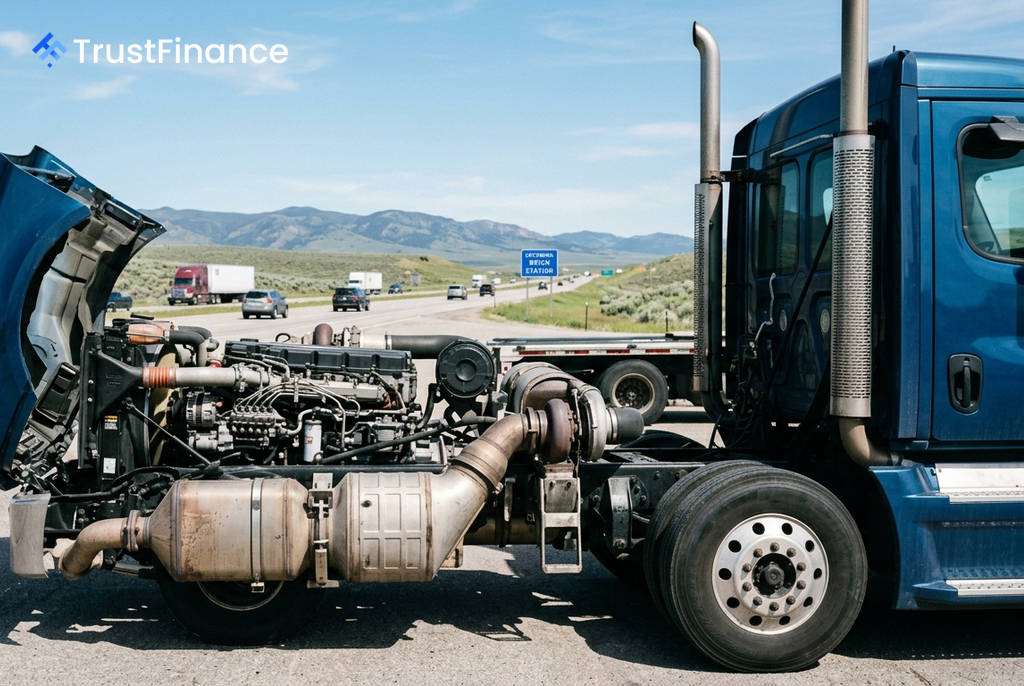
The U.S. Environmental Protection Agency (EPA) on Thursday proposed an easing of stringent emissions rules for heavy-duty trucks and engines that were first adopted in 2023. The agency cited developmental hurdles faced by manufacturers as the primary reason for the proposed adjustments.
Details of the Proposal
The proposed changes aim to provide regulatory flexibility for truck and engine makers as they work to meet the upcoming 2027 model year standards. According to the EPA's announcement, the key adjustments include:
- Scaling back requirements for emissions warranties.
- Providing additional lead time before longer regulatory "useful life" requirements are implemented.
- Allowing manufacturers to continue selling current-generation products while they finalize the development of 2027-compliant engines.
Rationale and Market Impact
 Ad
The EPA explicitly noted that some development programs for 2027 medium and heavy-duty engines have encountered "technical challenges." This proposal is a direct response to those industry difficulties, designed to prevent potential production disruptions and ensure a stable supply of new vehicles.
For investors and market observers, this move signals a more lenient regulatory timeline, which could reduce near-term compliance costs and research and development pressure on heavy-duty vehicle and engine manufacturers. The additional flexibility may help companies avoid production bottlenecks and manage the transition to stricter environmental standards more smoothly.
Background on Emissions Standards
The rules in question were finalized under the Biden administration in 2023 as part of a broader effort to reduce air pollution from the transportation sector. Heavy-duty vehicles are a significant source of nitrogen oxides (NOx) and other pollutants, and the original standards were designed to implement the most significant emissions reductions in over two decades.