
Story
CXMT Reportedly Plans Second Beijing Chip Plant, Seeks Local Funding
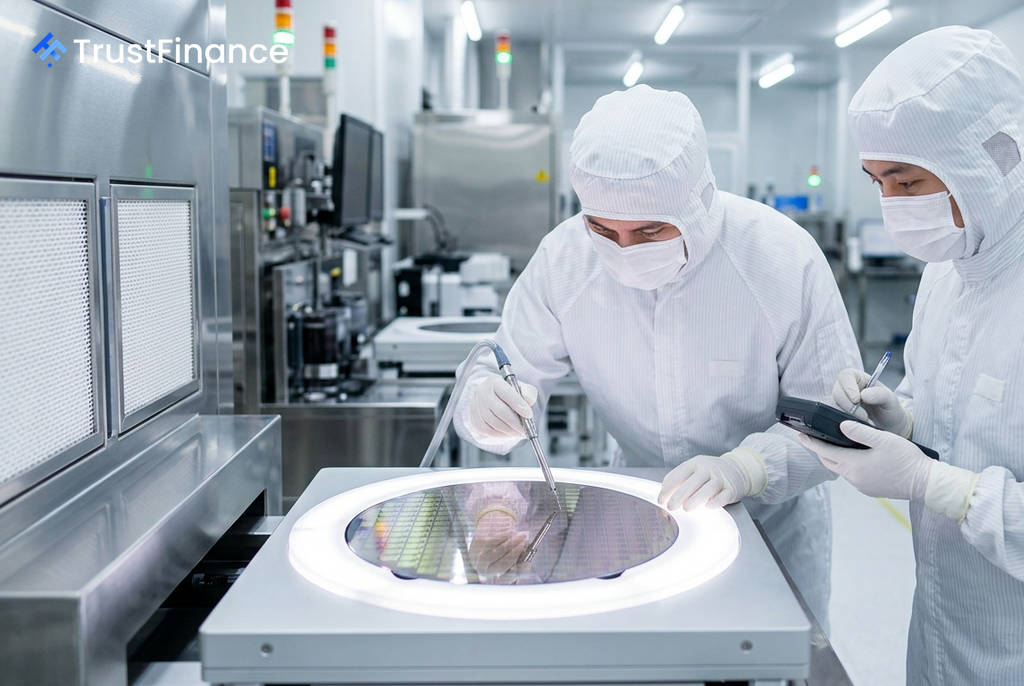
ChangXin Memory Technologies (CXMT), China's largest memory chipmaker by market value, is exploring the construction of a second fabrication plant in Beijing and has entered financing discussions with a technology hub supported by the municipal government, two sources familiar with the plans told Reuters.
The move signals CXMT's ambitions to ramp up production capacity to meet strong global demand for memory chips, particularly for AI infrastructure, following its landmark $8.6 billion initial public offering last month.
Expansion in China's Capital
According to the sources, who requested anonymity as the plans are private, the proposed 12-inch wafer fab would be located in Yizhuang, an area also known as the Beijing Economic-Technological Development Area. This is the same district where CXMT currently operates an existing dynamic random access memory (DRAM) facility.
CXMT is reportedly seeking at least 60 million yuan ($8.9 million) in support from the development zone's governing body. The sources indicated that the talks are in an early stage, and the final size and structure of any funding package are subject to change. It was not immediately clear if the funds would come directly from the zone's authority or its investment arms.
Strategic Context and Market Position
 Ad
The expansion plan follows CXMT's recent IPO, the largest on record for a mainland Chinese semiconductor firm, which provided substantial capital for growth. This push is aligned with Beijing's broader strategic goal of achieving self-sufficiency in the critical semiconductor industry amid technological competition with the United States.
While CXMT is the world's fourth-largest DRAM producer, it trails significantly behind global market leaders Samsung Electronics, SK Hynix, and Micron. These three companies held a combined global market share of nearly 90% in the first quarter, according to data from Counterpoint Research. The company's expansion projects, including previously reported plants in Shanghai and Hefei, could eventually double its capacity to over 600,000 wafers per month.
Competition Among Cities
This development underscores the intensifying competition among major Chinese cities to attract investment from CXMT. The company's rise has been closely associated with the "Hefei model," where the provincial capital used state funds to cultivate strategic tech firms. Beijing and Shanghai have also provided CXMT with funding and other support to secure a share of the economic benefits from its growth.
The Yizhuang development area is already a major base for leading tech and chip companies, including contract chipmaker SMIC and equipment manufacturer Naura Technology. The district is also actively positioning itself as a hub for robotics and artificial intelligence.
Read next
More on Stocks
FTC Orders Walmart, Uber, Delta to Disclose Data on Personalized Pricing
The U.S. Federal Trade Commission is demanding nine major companies, including leading retail, travel, and gig economy firms, to provide information on how they use consumer data for setting individual prices and wages.

Google Launches Gemini 4 Carbon AI Model to Bolster Cybersecurity Capabilities
Alphabet's Google has unveiled Gemini 4 Carbon, its latest AI model specifically designed for advanced cybersecurity tasks like vulnerability detection and secure code generation. The launch escalates competition with rivals OpenAI and Anthropic in the enterprise AI market.

Oracle Shares Surge After Unveiling $225 Billion Revenue Target for 2030
Oracle stock rose sharply after the company presented a long-term financial outlook targeting at least $225 billion in annual revenue by fiscal 2030, driven by its expanding AI infrastructure business.

DOJ Scrutinizes Nvidia's $12.9B Hugging Face Deal Amid Broader Antitrust Probe, Sources Say
The U.S. Department of Justice is reportedly examining Nvidia's planned $12.93 billion acquisition of AI platform Hugging Face as part of a wider, ongoing antitrust investigation into the chipmaker's market conduct.