
Story
China Unveils Roadmap for Mass Autonomous Vehicle Deployment by 2030
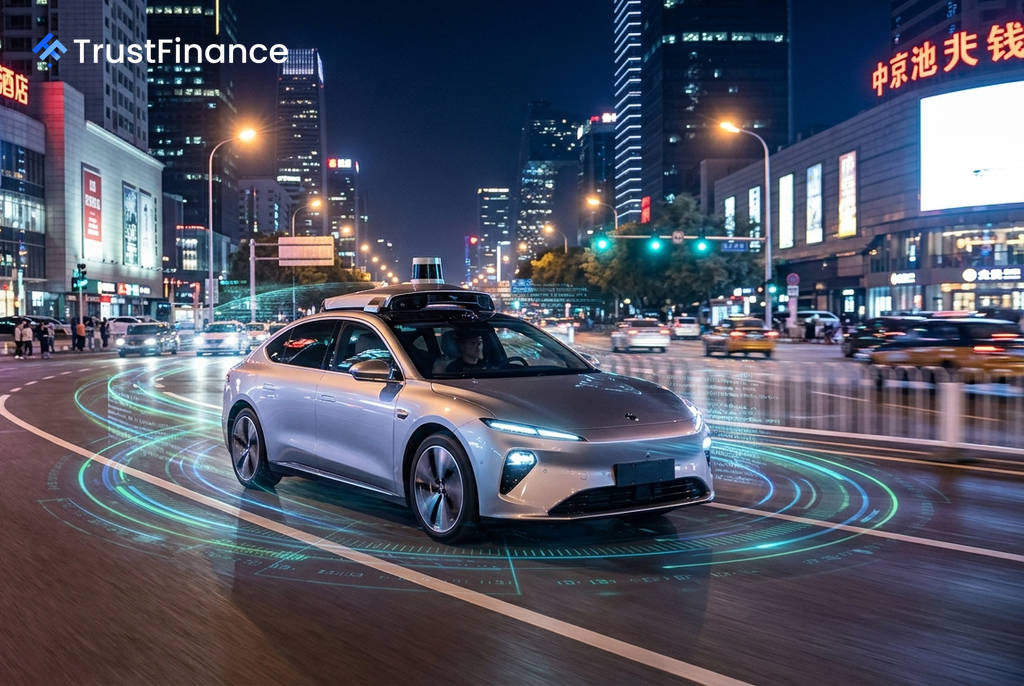
China's industry ministry has unveiled a comprehensive roadmap aimed at achieving the mass deployment of autonomous-driving vehicles by 2030. The strategic plan, announced Thursday, seeks to solidify the country's position as a leader in the smart electric vehicle industry and enhance the global influence of its automotive sector.
Strategic Goals and Targets
The government's plan outlines several ambitious objectives designed to transform its auto industry over the next decade. A central goal is the widespread rollout of automated driving technology on highways, urban expressways, and certain city roads.
The ministry also aims to foster the growth of domestic automakers, with the explicit target of developing multiple Chinese companies that rank among the world's top 10 by sales. This initiative is coupled with a push to increase the international appeal of Chinese auto brands and strengthen the nation's voice in setting global automotive standards.
Regulatory Framework and Oversight
To support these goals, the roadmap includes a series of policy measures and regulatory adjustments. The government plans to tighten rules governing vehicle production, road safety, self-driving systems, and over-the-air software upgrades. It will also explore special approval channels for critical components and low-volume vehicle models.
 Ad
Key regulatory actions include:
- Increased oversight of vehicle and battery production capacity to curb overinvestment and eliminate inefficient operations.
- Strengthened antitrust enforcement and product-quality supervision to promote fair competition.
- The introduction of guidelines to assist Chinese automakers in navigating compliance rules during overseas expansion.
Market Implications
The announcement signals strong state support for the autonomous and electric vehicle sectors, which could accelerate development and provide a competitive edge for domestic firms. The plan also emphasizes the importance of international collaboration, with the ministry encouraging deeper cooperation between Chinese and foreign companies in research, investment, and global market development.
This government-led push is expected to intensify competition among global automakers and technology companies vying for dominance in the future of mobility. The focus on both domestic consolidation and international standards-setting indicates a dual strategy to strengthen China's internal market while projecting its influence abroad.
Read next
More on Stocks
FTC Orders Walmart, Uber, Delta to Disclose Data on Personalized Pricing
The U.S. Federal Trade Commission is demanding nine major companies, including leading retail, travel, and gig economy firms, to provide information on how they use consumer data for setting individual prices and wages.

Google Launches Gemini 4 Carbon AI Model to Bolster Cybersecurity Capabilities
Alphabet's Google has unveiled Gemini 4 Carbon, its latest AI model specifically designed for advanced cybersecurity tasks like vulnerability detection and secure code generation. The launch escalates competition with rivals OpenAI and Anthropic in the enterprise AI market.

Oracle Shares Surge After Unveiling $225 Billion Revenue Target for 2030
Oracle stock rose sharply after the company presented a long-term financial outlook targeting at least $225 billion in annual revenue by fiscal 2030, driven by its expanding AI infrastructure business.

DOJ Scrutinizes Nvidia's $12.9B Hugging Face Deal Amid Broader Antitrust Probe, Sources Say
The U.S. Department of Justice is reportedly examining Nvidia's planned $12.93 billion acquisition of AI platform Hugging Face as part of a wider, ongoing antitrust investigation into the chipmaker's market conduct.