
Story
China Directs Refiners to Maintain High Output Amid Persian Gulf Tensions
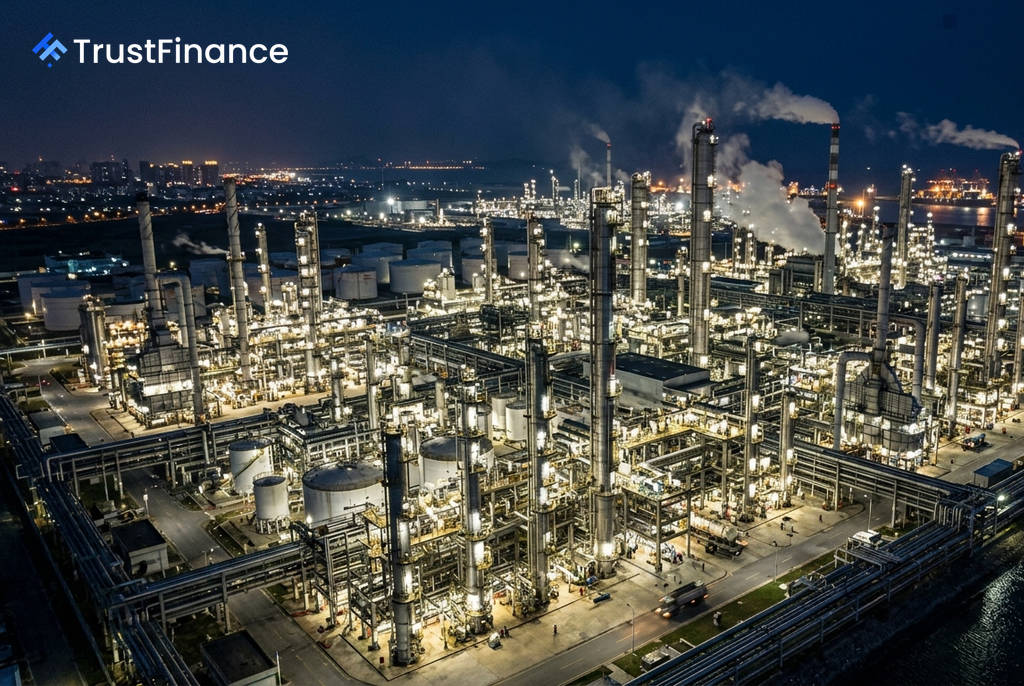
China has directed some of its largest oil refiners to maintain high levels of fuel production, a strategic move to safeguard domestic supplies amid rising geopolitical risks in the Persian Gulf, according to a Bloomberg News report. The instruction comes as renewed conflict between the United States and Iran raises concerns about potential disruptions to crude oil shipments through the vital Strait of Hormuz.
Safeguarding Domestic Supply
Citing people familiar with the matter, the report stated that at least two major refineries have been asked to maintain or even increase their processing rates. This directive has been issued despite a backdrop of elevated domestic gasoline and diesel inventories and a structural slowdown in China's fuel demand, signaling that energy security is taking precedence over near-term market fundamentals.
Beijing's primary focus is to ensure the stability of its internal fuel market. The government will not revise its fuel export quotas for July, according to the report, reinforcing its priority on domestic availability. This follows an earlier policy shift where China first curbed fuel exports when the conflict began, then later eased restrictions by issuing additional quotas.
Impact on Asian Refining Margins
 Ad
The directive for higher refinery utilization in China is expected to have ripple effects across regional energy markets. Increased output from the world's largest crude importer could add further pressure to already weak Asian refining margins, which represent the profitability of converting crude oil into finished products.
According to Bloomberg, the spread between regional gasoline prices and Dubai crude has already fallen to its lowest point since late March. Sustained high production from Chinese refiners could exacerbate this trend, impacting the profitability of other refiners across Asia.
Broader Geopolitical Context
This policy underscores Beijing's heightened vigilance over its energy security, particularly concerning the Strait of Hormuz, a critical chokepoint through which approximately one-fifth of global oil consumption passes. The latest measures suggest that Chinese authorities are preparing for the possibility of a prolonged period of geopolitical instability in the Middle East, even as the country's own fuel consumption remains subdued.