
Story
Apple Sues OpenAI, Alleges Ex-Employees Stole Hardware Trade Secrets
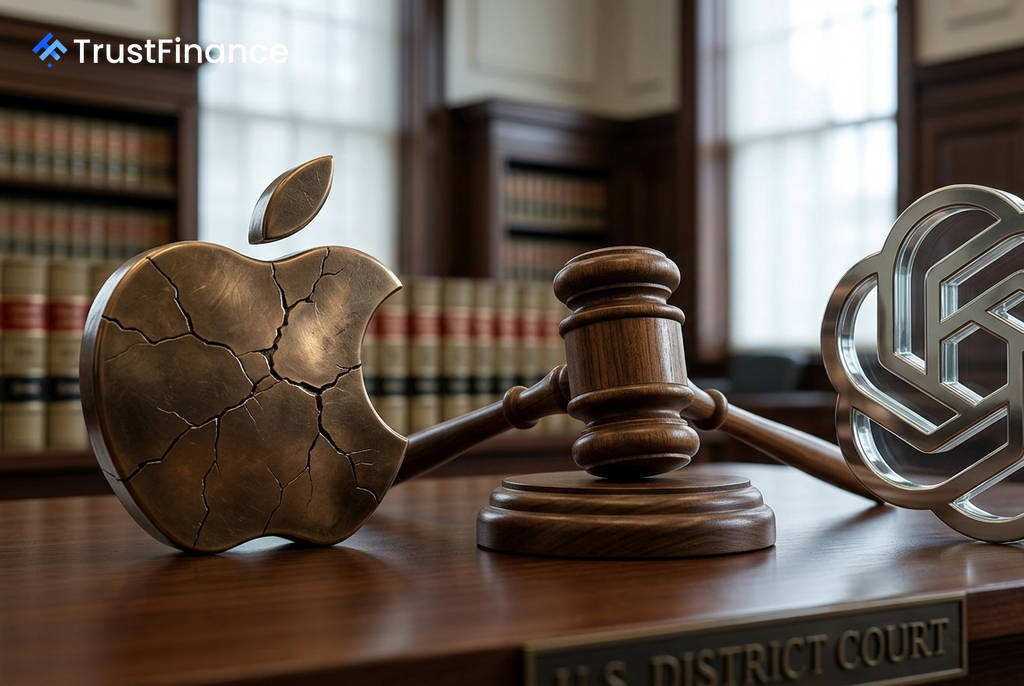
Apple Inc. has initiated legal action against OpenAI and two former employees, alleging the theft of valuable trade secrets related to the tech giant's hardware development. The lawsuit, filed Friday in the U.S. District Court for the Northern District of California, marks a significant escalation of tensions between the two influential technology companies.
Lawsuit Details Allegations
The complaint names former Apple employees Chang Liu and Tang Yew Tan as defendants alongside their new employer, OpenAI. Apple alleges that Tang Yew Tan, who now serves as OpenAI’s chief hardware officer, is actively using proprietary Apple information in his current role.
According to the court filing, the lawsuit claims that Chang Liu misappropriated dozens of confidential hardware files after leaving Apple to join the AI firm. The legal action centers on the protection of Apple's intellectual property as key talent moves between competing tech firms.
OpenAI Accused of Systematic Poaching
 Ad
Apple's suit extends beyond the actions of the two individuals, accusing OpenAI of orchestrating a broader strategy to acquire its trade secrets. The iPhone maker alleges that OpenAI has engaged in practices such as:
- Instructing job candidates to bring Apple prototypes and design artifacts to interviews.
- Asking suppliers highly specific questions about Apple's manufacturing processes and components that would require insider knowledge.
- Persuading an Apple partner to use the company’s proprietary metal-finishing techniques for OpenAI's hardware, in violation of existing contracts.
Market Implications
This legal confrontation highlights the intensifying competition in the technology sector, particularly as leading AI companies like OpenAI expand into hardware development, a domain long dominated by Apple. The outcome of the lawsuit could have significant implications for how companies protect their intellectual property and recruit talent in the highly competitive AI and hardware industries. For investors, it underscores the operational and legal risks associated with aggressive growth and talent acquisition strategies.