
Story
US to Impose 25% Tariffs on Brazilian Goods, Citing Ethanol Trade Dispute
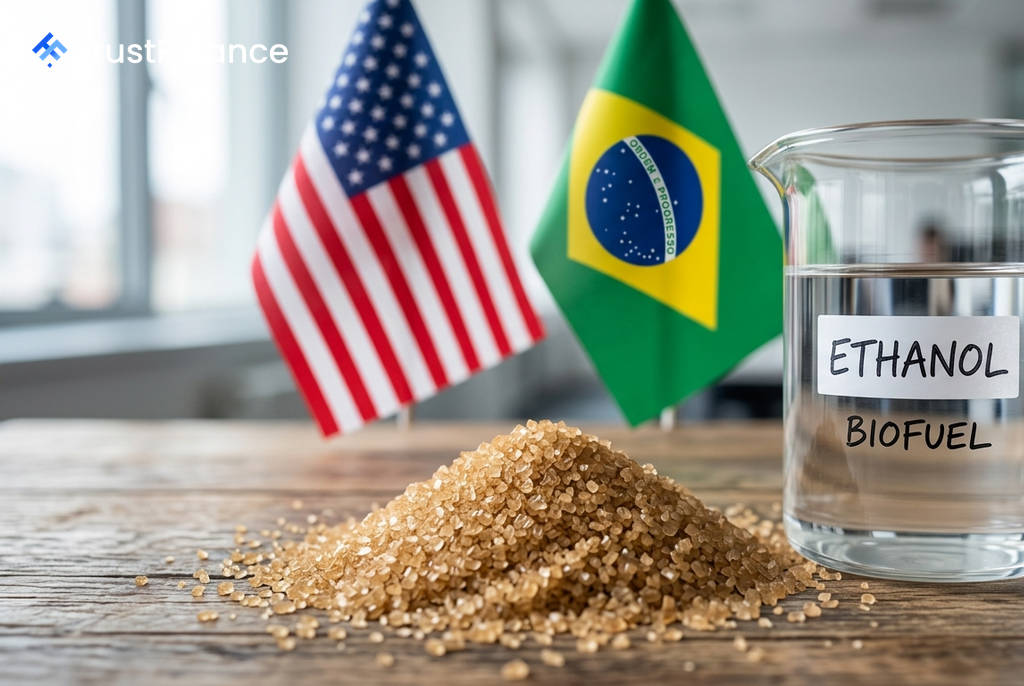
The United States government will impose a new 25% tariff on thousands of Brazilian products, a move that has drawn swift condemnation from Brazil's key sugar and ethanol industry groups. The tariffs, scheduled to take effect on July 22, were justified by the U.S. Trade Representative as a response to unfair trade practices.
US Cites Unfair Trade Practices
U.S. Trade Representative Jamieson Greer said the new duties were necessary due to what he called unfair trade practices by Brazil, specifically highlighting restricted U.S. access to Brazil's ethanol market. According to USTR data, Brazilian imports of U.S. ethanol have declined significantly over the last several years, prompting the action.
Brazilian Industries Criticize 'Asymmetries'
Brazilian trade associations lamented the decision, describing it as a rollback in cooperation between the two nations. In a statement, the Union of the Sugarcane and Bioenergy Industry (UNICA) argued the move "disregards significant asymmetries in the trade relationship," pointing out that Brazilian sugar already faces U.S. tariffs and market access restrictions.
The U.S. is a significant market for Brazil, the world's top sugar producer. According to UNICA, exports in 2025 included:
 Ad
- Ethanol: 253 million liters to the U.S., valued at $163 million.
- Sugar: 420,000 metric tons to the U.S., a sharp decrease from 1.12 million tons in 2024.
Dispute Over Market Access
Brazilian industry representatives rejected the U.S. claims. The Brazilian corn ethanol association, UNEM, stated that the country's tariff policies are in accordance with World Trade Organization rules and violate no bilateral agreements. The group attributed the drop in U.S. ethanol imports to the recent expansion of Brazil's own domestic corn ethanol production, which has boosted internal supply.
Renato Cunha, executive president of the sugar and bioenergy association NovaBio, characterized the U.S. stance as an attempt to force exports into a self-sufficient market without offering reciprocal concessions. "They want to export ethanol to a country that has no need to import it," Cunha said in an interview. "That isn’t negotiation, it’s imposition."
Read next
More on Commodities
U.S. Crude Inventories Post Surprise Draw While Gasoline Stocks Swell, EIA Reports
U.S. crude oil stockpiles fell unexpectedly last week, driven by a surge in exports, while gasoline inventories saw a significant build amid weakening demand, according to the latest EIA data.

UBS Raises Year-End Brent Forecast to $110 on Middle East Supply Risks
UBS has increased its year-end forecast for Brent crude to $110 per barrel, citing escalating supply risks in the Middle East, declining global inventories, and record-high freight costs.

Iran Dismisses Latest Qatari Peace Proposal as 'Unacceptable'
A senior Iranian official has rejected the latest Qatari-mediated draft deal to end the eight-month war, calling the ideas 'unacceptable' and signaling a continued diplomatic impasse. The news comes amid rising oil prices following attacks on Saudi energy infrastructure.

Argentina Poised to Gain EU Soymeal Market Share as Deforestation Rules Hit Brazil
Argentina's soybean industry is preparing to capture a larger share of the European Union's soymeal market as new EU anti-deforestation rules are expected to disrupt exports from rival Brazil.