
Story
U.S. Probes Logistics Firm Apex Over Suspected Smuggling of Nvidia AI Chips to China
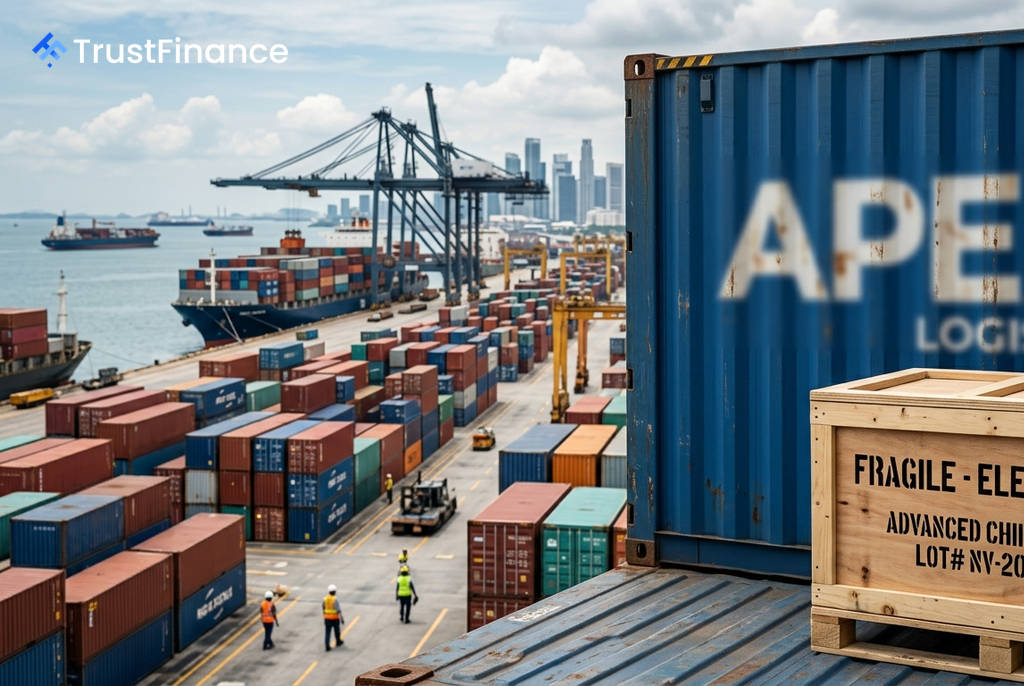
U.S. authorities are investigating Singapore-based Apex Logistics for its alleged role in smuggling Nvidia AI chips to China, a probe that could represent a significant escalation in the enforcement of U.S. export controls. The investigation, first reported by Bloomberg, scrutinizes whether the freight company participated in an illicit supply chain to circumvent restrictions on advanced technology.
Details of the Investigation
The U.S. Commerce Department's Bureau of Industry and Security is leading the inquiry, which focuses on shipments that occurred in 2024, according to people familiar with the matter cited by Bloomberg. Authorities are examining whether Apex transported AI systems manufactured by Super Micro Computer that contained restricted Nvidia chips.
The probe is reportedly centered on 47 distinct shipments handled by the logistics firm. If confirmed, this would be the first known U.S. enforcement action targeting a transportation company for alleged participation in the illicit semiconductor trade, signaling a widening crackdown on all links in the supply chain.
Alleged Smuggling Route and Company Responses
The suspected route allegedly involved a multi-stage process to obscure the final destination of the high-tech goods. According to the report, the Nvidia-powered servers are believed to have moved from Taiwan to the United States, then to various locations in Southeast Asia and Hong Kong before ultimately entering mainland China.
 Ad
- Apex Logistics stated it was aware of U.S. concerns regarding a small number of shipments and is cooperating fully with authorities.
- Kuehne & Nagel, Apex's Swiss parent company, confirmed its subsidiary's cooperation but said it had not been contacted directly by U.S. authorities.
- Nvidia told Bloomberg that it works to ensure its partners comply with export rules and that its due diligence processes have helped identify attempts to circumvent them.
Context and Market Implications
The U.S. has restricted exports of advanced AI semiconductors and related equipment to China since 2022, citing national security risks. The investigation into Apex Logistics underscores the challenges Washington faces in enforcing these complex controls and highlights the sophisticated methods used to bypass them.
For investors, this development introduces a new layer of compliance risk for companies involved in the global technology trade, extending beyond chipmakers and manufacturers to logistics and freight forwarding firms. Increased scrutiny on the entire supply chain could lead to shipping delays, higher compliance costs, and potential penalties for any company found to be involved in circumventing U.S. regulations.
Read next
More on Stocks
FTC Orders Walmart, Uber, Delta to Disclose Data on Personalized Pricing
The U.S. Federal Trade Commission is demanding nine major companies, including leading retail, travel, and gig economy firms, to provide information on how they use consumer data for setting individual prices and wages.

Google Launches Gemini 4 Carbon AI Model to Bolster Cybersecurity Capabilities
Alphabet's Google has unveiled Gemini 4 Carbon, its latest AI model specifically designed for advanced cybersecurity tasks like vulnerability detection and secure code generation. The launch escalates competition with rivals OpenAI and Anthropic in the enterprise AI market.

Oracle Shares Surge After Unveiling $225 Billion Revenue Target for 2030
Oracle stock rose sharply after the company presented a long-term financial outlook targeting at least $225 billion in annual revenue by fiscal 2030, driven by its expanding AI infrastructure business.

DOJ Scrutinizes Nvidia's $12.9B Hugging Face Deal Amid Broader Antitrust Probe, Sources Say
The U.S. Department of Justice is reportedly examining Nvidia's planned $12.93 billion acquisition of AI platform Hugging Face as part of a wider, ongoing antitrust investigation into the chipmaker's market conduct.