
Story
U.S. Pricing Policy Leads to Fewer Drug Applications in Switzerland, Study Finds
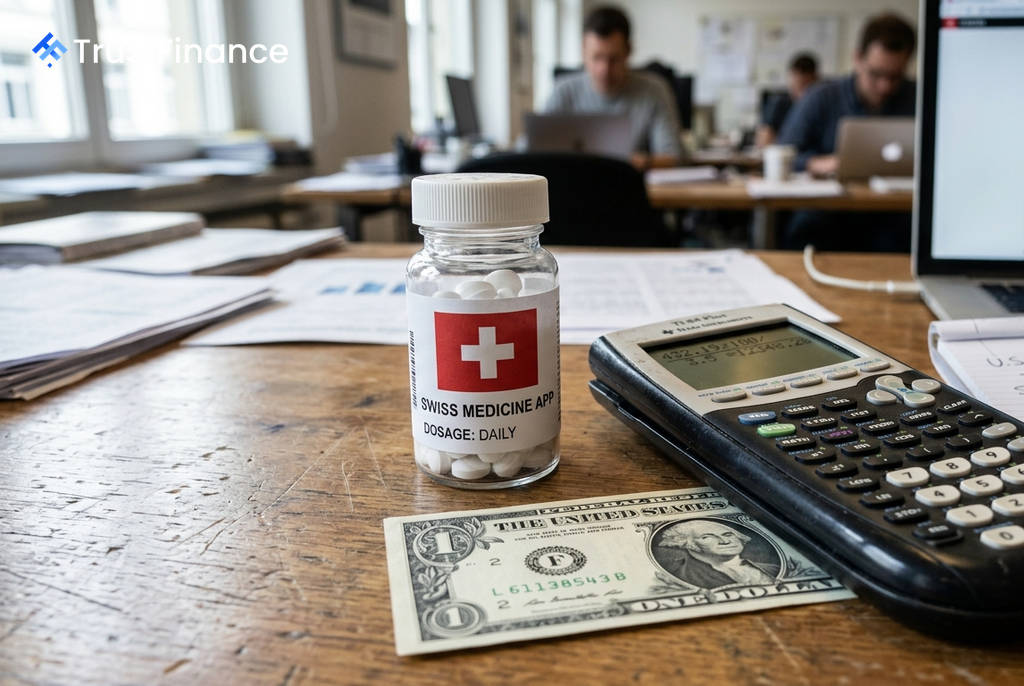
Pharmaceutical companies are increasingly limiting applications for new drugs in Switzerland, a direct consequence of a U.S. policy that uses Swiss prices as a reference point, according to a study released Thursday by the industry group Interpharma. This strategic delay by drugmakers could impact patient access to new treatments in the European nation.
Key Findings
A survey conducted by the Swiss pharmaceutical industry group found that a significant portion of new medicines are not being submitted for local reimbursement. The study, which covered the period between January 2025 and June 2026, revealed that approximately one-third of new innovative drugs were not submitted for coverage under Switzerland's mandatory health insurance system.
Key figures from the report include:
- 7 of 22 new innovative medicines were not submitted for inclusion on Switzerland's official reimbursement list.
- An additional 3 drugs were not submitted for Swiss market approval at all during the period.
Inclusion on the reimbursement list is critical for ensuring broad patient access, as it determines which drugs are covered by mandatory insurance and establishes the official reimbursed price.
Impact of U.S. Policy
 Ad
The central issue is a U.S. "most-favored-nation" drug-pricing policy, introduced by the Trump administration, which benchmarks U.S. medicine costs against prices in other developed countries, including Switzerland. Because of this policy, the price established in Switzerland could directly limit the price a company can charge in the much larger and more lucrative U.S. market.
This has made pharmaceutical firms more cautious about launching new products in Europe. By withholding or delaying an application for reimbursement in a benchmark country like Switzerland, companies can avoid setting a lower price precedent that would negatively affect their U.S. revenue potential.
Market Context
The trend highlights a growing tension for global pharmaceutical companies, including Swiss-based giants like Roche and Novartis, as they navigate international pricing regulations. While these companies may still launch medicines in their home market, the decision to seek inclusion on the reimbursement list has become a more complex strategic calculation.
For investors, this development underscores the significant influence of U.S. pricing policies on global pharmaceutical launch strategies. The practice could potentially affect company revenues and market access for new therapies in smaller, price-controlled markets.
Read next
More on Stocks
FTC Orders Walmart, Uber, Delta to Disclose Data on Personalized Pricing
The U.S. Federal Trade Commission is demanding nine major companies, including leading retail, travel, and gig economy firms, to provide information on how they use consumer data for setting individual prices and wages.

Google Launches Gemini 4 Carbon AI Model to Bolster Cybersecurity Capabilities
Alphabet's Google has unveiled Gemini 4 Carbon, its latest AI model specifically designed for advanced cybersecurity tasks like vulnerability detection and secure code generation. The launch escalates competition with rivals OpenAI and Anthropic in the enterprise AI market.

Oracle Shares Surge After Unveiling $225 Billion Revenue Target for 2030
Oracle stock rose sharply after the company presented a long-term financial outlook targeting at least $225 billion in annual revenue by fiscal 2030, driven by its expanding AI infrastructure business.

DOJ Scrutinizes Nvidia's $12.9B Hugging Face Deal Amid Broader Antitrust Probe, Sources Say
The U.S. Department of Justice is reportedly examining Nvidia's planned $12.93 billion acquisition of AI platform Hugging Face as part of a wider, ongoing antitrust investigation into the chipmaker's market conduct.