
Story
US July Retail Sales Decline Driven by Lower Gas Prices, Prime Day Shift
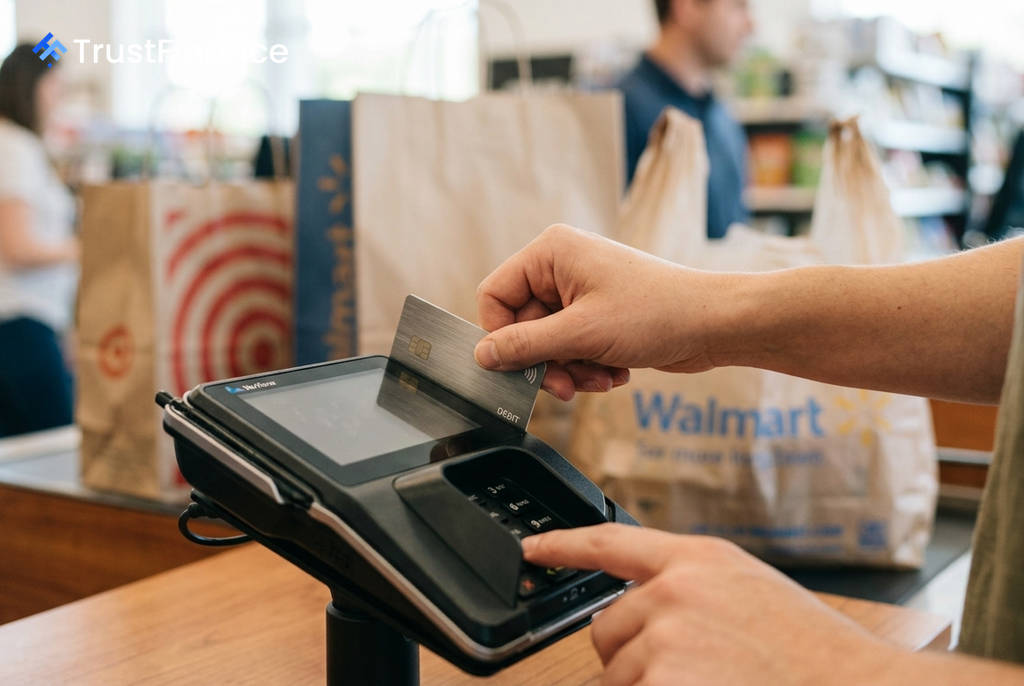
U.S. retail sales posted their first monthly decline in nine months in July, but a closer look at the data suggests the headline miss was driven more by lower gas prices and a calendar quirk than a broad pullback in consumer spending. Analysts argue the underlying health of the American consumer remains more robust than the initial figures imply.
Behind the Headline Number
The drop reported on Friday, August 15, was significantly influenced by two primary factors that do not reflect a deterioration in consumer demand, according to market observers.
- Lower Energy Prices: A retreat in crude oil prices mechanically reduced the dollar value of receipts at gasoline stations. This reflects consumers paying less for fuel, not necessarily purchasing less of it.
- Amazon Prime Day Timing: Amazon's decision to hold its annual Prime Day promotional event in June this year, rather than its typical July slot, distorted year-over-year e-commerce sales comparisons.
A Price-Driven Pullback
The data showed a notable decline in non-discretionary spending, a category covering essential goods and services. However, analysts point out this was largely a price-driven phenomenon centered on gasoline, which disproportionately registers in the spending data of higher-income households who tend to drive more.
 Ad
A price-driven decline, where consumers pay less for the same volume of goods, is viewed as a deflationary pressure that can support purchasing power. This is a crucial distinction from a volume-driven decline, which would signal genuine financial stress cascading up the income ladder.
Market Impact and Fed Outlook
After a brief negative reaction, markets have largely interpreted the soft retail report as a net positive for interest-rate-sensitive assets. The sales data, combined with other recent subdued inflation readings, has reduced investor expectations for a Federal Reserve rate hike at its September meeting.
The real test of consumer strength, however, will come from upcoming second-quarter earnings reports. Major retailers including Walmart, Target, and Home Depot are scheduled to report during the week of August 17, providing a more granular read on consumer behavior through same-store sales and traffic data.
Read next
More on Stocks
FTC Orders Walmart, Uber, Delta to Disclose Data on Personalized Pricing
The U.S. Federal Trade Commission is demanding nine major companies, including leading retail, travel, and gig economy firms, to provide information on how they use consumer data for setting individual prices and wages.

Google Launches Gemini 4 Carbon AI Model to Bolster Cybersecurity Capabilities
Alphabet's Google has unveiled Gemini 4 Carbon, its latest AI model specifically designed for advanced cybersecurity tasks like vulnerability detection and secure code generation. The launch escalates competition with rivals OpenAI and Anthropic in the enterprise AI market.

Oracle Shares Surge After Unveiling $225 Billion Revenue Target for 2030
Oracle stock rose sharply after the company presented a long-term financial outlook targeting at least $225 billion in annual revenue by fiscal 2030, driven by its expanding AI infrastructure business.

DOJ Scrutinizes Nvidia's $12.9B Hugging Face Deal Amid Broader Antitrust Probe, Sources Say
The U.S. Department of Justice is reportedly examining Nvidia's planned $12.93 billion acquisition of AI platform Hugging Face as part of a wider, ongoing antitrust investigation into the chipmaker's market conduct.