
Story
US in Talks for 100-Year Lease on Venezuelan Oil Fields, Report Says
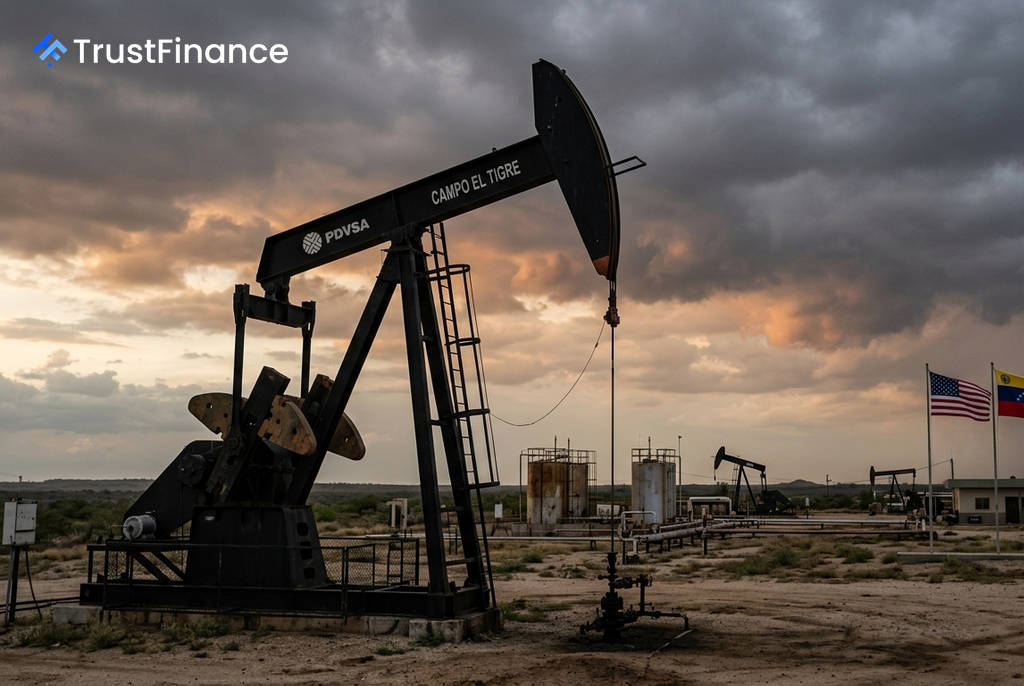
The United States government is in active negotiations with Venezuela to acquire a major stake in the nation's energy reserves, a move that could fundamentally alter energy policy in the Western Hemisphere, according to a report from Bloomberg.
Officials from both countries are reportedly discussing the possibility of a 100-year lease on several Venezuelan oil fields. Negotiators stressed that the terms remain fluid and have not been finalized.
Geopolitical and Market Context
The potential agreement aligns with the Trump administration's broader strategy of expanding U.S. economic and geopolitical influence. According to the report, these talks follow a U.S. military intervention in January that overthrew the government of former President Nicolás Maduro and installed a more cooperative transitional leadership in Caracas.
Direct access to Venezuela's extensive crude reserves would significantly bolster U.S. domestic energy security at a time of high volatility in global markets. The source noted ongoing supply disruption pressures stemming from the conflict with Iran and its attempts to limit commercial shipping through the Strait of Hormuz.
 Ad
Financial Implications
The proposed lease structure would reportedly allow the U.S. to directly control the sale of Venezuelan crude oil, with proceeds deposited into U.S. bank accounts as a form of collateral. This arrangement would fulfill a long-stated objective of the administration.
In a preliminary step, Washington has already begun to ease sanctions, permitting U.S. energy contractors and oilfield operators to resume work in Venezuela. However, the total revenue generated from recent oil sales has not been publicly disclosed.
If a long-term lease agreement is reached, it would mark an unprecedented level of state-level intervention in foreign energy assets. Institutional investors and market participants are now closely watching for further details on the operational governance, revenue-sharing mechanisms, and the expected timeline for finalizing the deal.
Read next
More on Commodities
U.S. Crude Inventories Post Surprise Draw While Gasoline Stocks Swell, EIA Reports
U.S. crude oil stockpiles fell unexpectedly last week, driven by a surge in exports, while gasoline inventories saw a significant build amid weakening demand, according to the latest EIA data.

UBS Raises Year-End Brent Forecast to $110 on Middle East Supply Risks
UBS has increased its year-end forecast for Brent crude to $110 per barrel, citing escalating supply risks in the Middle East, declining global inventories, and record-high freight costs.

Iran Dismisses Latest Qatari Peace Proposal as 'Unacceptable'
A senior Iranian official has rejected the latest Qatari-mediated draft deal to end the eight-month war, calling the ideas 'unacceptable' and signaling a continued diplomatic impasse. The news comes amid rising oil prices following attacks on Saudi energy infrastructure.

Argentina Poised to Gain EU Soymeal Market Share as Deforestation Rules Hit Brazil
Argentina's soybean industry is preparing to capture a larger share of the European Union's soymeal market as new EU anti-deforestation rules are expected to disrupt exports from rival Brazil.