
Story
US Central Command Vows to Keep Strait of Hormuz Open Amid Iran Tensions
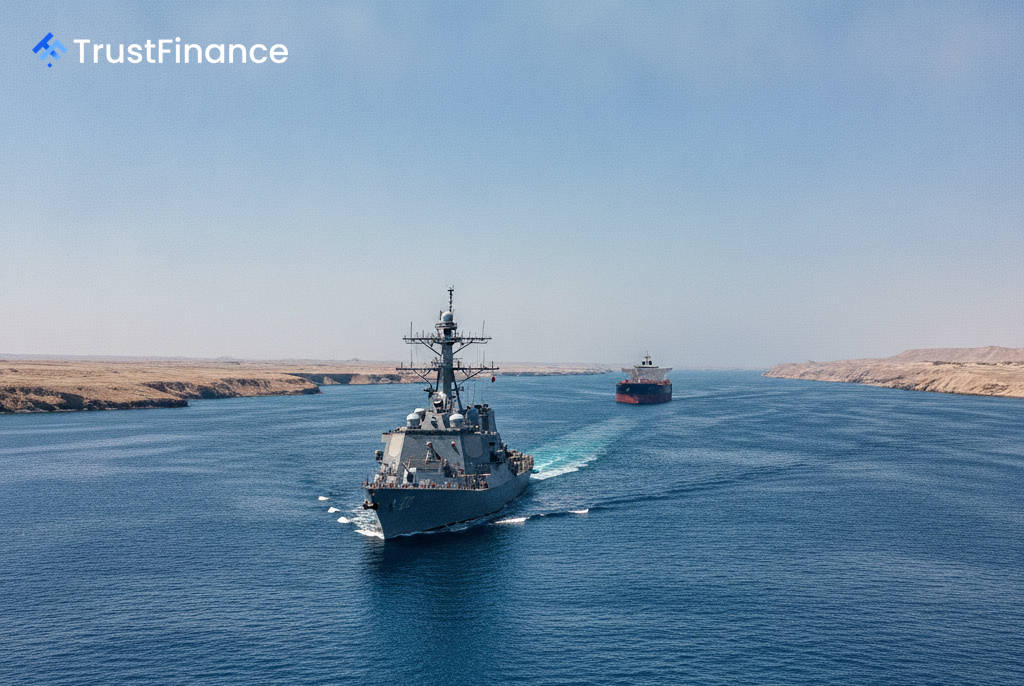
U.S. Central Command announced Sunday that its forces are "positioned and prepared" to ensure freedom of navigation through the Strait of Hormuz, a day after an exchange of fire with Iranian forces and an Iranian declaration that the critical waterway was closed.
US Reaffirms Waterway Security
In a statement reported by Reuters on July 12, U.S. Central Command (CENTCOM) affirmed that the Strait of Hormuz is open to all vessels. The command's declaration serves as a direct counterpoint to Iran's recent claims and aims to reassure commercial shipping and global markets about the security of the vital passage.
This statement underscores the U.S. military's commitment to maintaining international maritime law in one of the world's most critical energy chokepoints.
Context of Escalating Tensions
The announcement comes just one day after a significant escalation in the region. U.S. and Iranian forces reportedly exchanged fire on Saturday, after which Iran stated it had closed the strait to all traffic.
 Ad
The Strait of Hormuz is the world's most important oil transit chokepoint. Any disruption to the flow of traffic can have immediate and significant consequences for global energy supplies and prices.
Implications for Global Markets
The CENTCOM statement is likely intended to temper volatility in energy markets, which are highly sensitive to geopolitical risks in the Middle East. A prolonged closure or military conflict in the strait would almost certainly lead to a sharp increase in crude oil prices.
Investors and commodity traders will be closely monitoring the situation for any further military movements or diplomatic communications. The stability of this waterway remains a key variable for the global economy and a primary focus for international policymakers.