
Story
US Blocks Tungsten and Battery Waste Exports to Bolster Domestic Mineral Supply
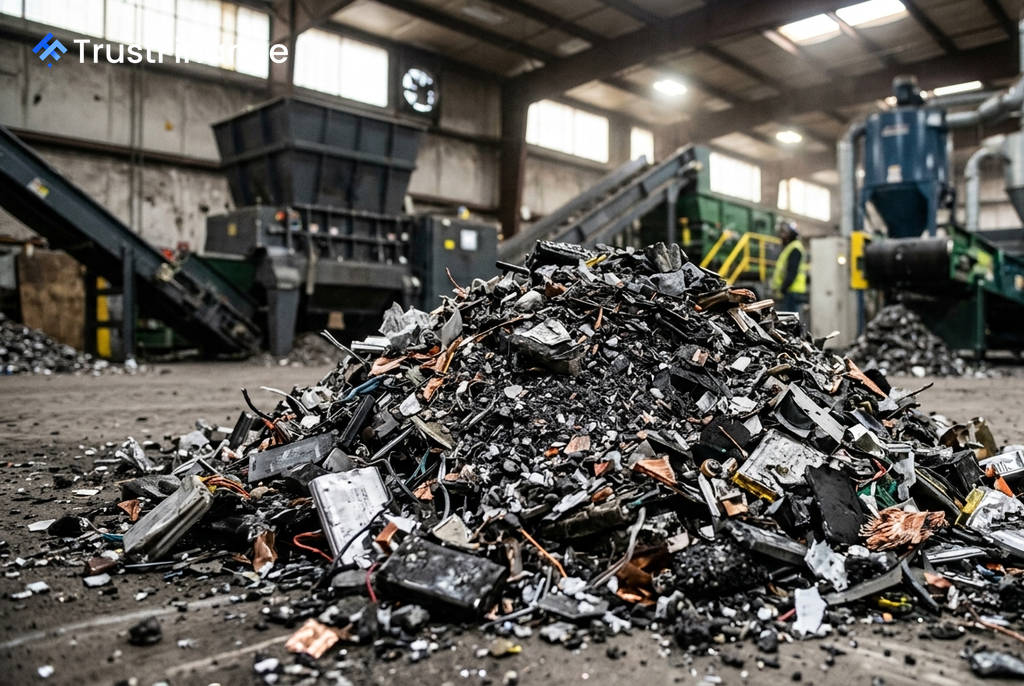
The U.S. Commerce Department has announced it will block exports of tungsten scrap and battery waste, a strategic move designed to strengthen the domestic supply chain for critical minerals and reduce reliance on foreign processing. The temporary ban is part of a broader federal effort to onshore the recycling of materials essential for the defense and electric vehicle industries.
Details of the Export Control
The order, published in the Federal Register, will take effect on August 27 and remain in place for one year, according to the department's Bureau of Industry and Security. It specifically prohibits the export of:
- Scrap containing tungsten, a metal used to harden steel for defense applications.
- So-called "black mass," which consists of shredded lithium-ion battery materials.
The action follows a recent presidential order granting federal agencies the authority to limit overseas shipments of scrap materials to countries like China. The Commerce Department noted that waivers may be granted on a case-by-case basis if a company can demonstrate "undue hardship" or "irreparable harm" from the ban.
Strategic Context and Industry Reaction
 Ad
The export ban is the latest measure by Washington to counter China's dominance in the global processing of critical minerals. The policy aims to keep valuable materials within the U.S. for recycling and reuse, thereby securing resources for key sectors from weapons systems to EV batteries.
"It’s great to see the administration recognize the importance of recycling recoverable critical materials from scrap," said Zubeyde Oysul, a critical minerals policy manager at the Washington-based think tank SAFE, in a statement to Reuters.
Domestic Capacity Challenges
While the move is intended to support U.S. recyclers, the domestic industry currently lacks the capacity to process all the scrap the country generates. The U.S. exports nearly 33,000 metric tons of electronic waste and other scrap monthly, much of which contains recyclable critical minerals, according to data from the Basel Action Network.
Several U.S. recycling firms, including Li-Cycle and Ascend Elements, have faced significant economic challenges over the past 18 months. Ryan McAdams, CEO of tungsten recycling firm Amermin, called the ban a "band-aid" that buys time but stressed the urgent need for investment in domestic infrastructure. He told Reuters his company's new facility could have been open months ago if it had received a previously awarded $11.5 million federal grant.
Read next
More on Stocks
FTC Orders Walmart, Uber, Delta to Disclose Data on Personalized Pricing
The U.S. Federal Trade Commission is demanding nine major companies, including leading retail, travel, and gig economy firms, to provide information on how they use consumer data for setting individual prices and wages.

Google Launches Gemini 4 Carbon AI Model to Bolster Cybersecurity Capabilities
Alphabet's Google has unveiled Gemini 4 Carbon, its latest AI model specifically designed for advanced cybersecurity tasks like vulnerability detection and secure code generation. The launch escalates competition with rivals OpenAI and Anthropic in the enterprise AI market.

Oracle Shares Surge After Unveiling $225 Billion Revenue Target for 2030
Oracle stock rose sharply after the company presented a long-term financial outlook targeting at least $225 billion in annual revenue by fiscal 2030, driven by its expanding AI infrastructure business.

DOJ Scrutinizes Nvidia's $12.9B Hugging Face Deal Amid Broader Antitrust Probe, Sources Say
The U.S. Department of Justice is reportedly examining Nvidia's planned $12.93 billion acquisition of AI platform Hugging Face as part of a wider, ongoing antitrust investigation into the chipmaker's market conduct.