
Story
US and Iran Exchange Military Strikes as Washington Vows Weekly Sanctions
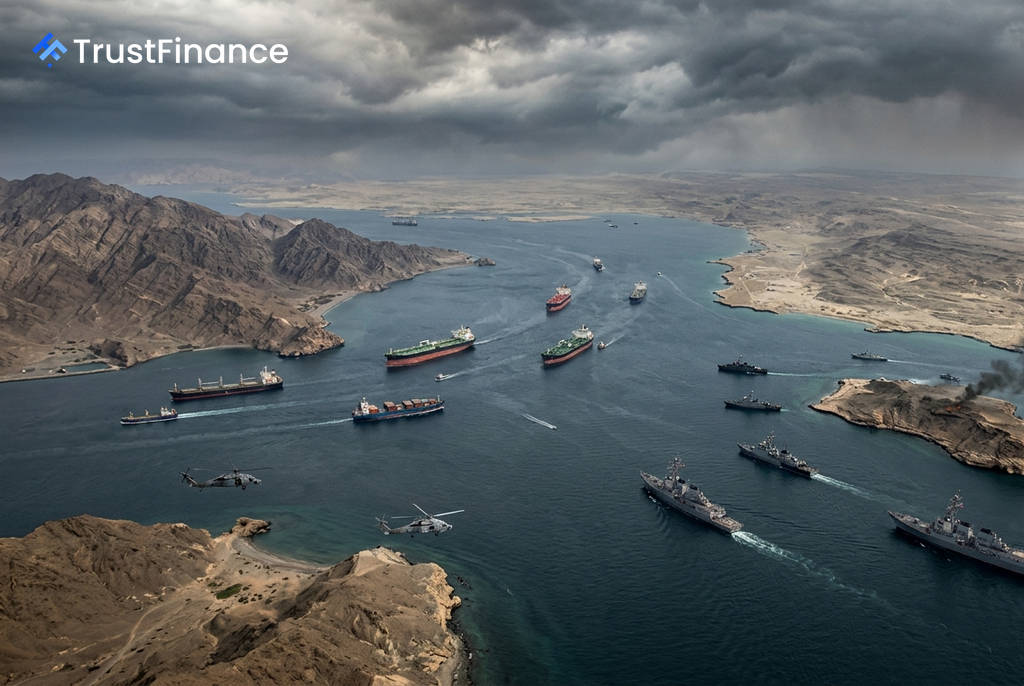
U.S. and Iranian forces exchanged fire on Sunday in a significant escalation of hostilities in the Gulf region, marking the first known direct American strikes on Iran since late July. The military flare-up coincided with a declaration from the U.S. Treasury that it plans to intensify economic pressure on Tehran with a new round of weekly sanctions.
Military Escalation in the Gulf
U.S. forces conducted strikes against two rocket launchers on Iran's Larak Island, located in the strategically vital Strait of Hormuz, a U.S. official told Reuters. The action was taken after forces from Iran's Islamic Revolutionary Guard Corps (IRGC) were allegedly observed preparing to launch rockets with sea mines into the shipping lane. In a statement, the U.S. Central Command described the move as a "limited, precise" action against an "imminent threat."
In response, Iran launched ballistic missiles targeting two U.S. bases in Jordan, according to Iranian state media. The IRGC vowed a "response and punishment" for the American strikes. Jordanian state television reported that its armed forces had intercepted eight missiles that entered its airspace.
US to Intensify Sanctions Campaign
In a parallel move, the Trump administration signaled a shift toward more aggressive economic measures. U.S. Treasury Secretary Scott Bessent told Reuters on Sunday that new secondary sanctions would likely be unveiled on a weekly basis to increase pressure on Tehran.
 Ad
The initial focus of the new sanctions will be on the banking sector. "We’re starting with the banks, and we’re telling the banks it’s not okay to have Iranian money and to aid the regime," Bessent said in an interview. This follows penalties imposed Friday on the United Arab Emirates branches of Egypt’s Banque Misr over alleged financial ties to Iran. Bessent noted future actions could include cutting an institution off entirely from the dollar-based financial system.
Impact on Global Energy Markets
The renewed conflict underscores the significant risks to global energy supplies. The Strait of Hormuz is a critical chokepoint through which nearly a fifth of global crude oil and liquefied natural gas (LNG) shipments passed before the current conflict began.
Reflecting the heightened risk, the number of visible commodity vessels transiting the strait dropped to just five a day over the weekend, according to shipping data. The actual number may be higher, as some vessels have reportedly switched off their automatic identification systems to avoid being targeted.
Read next
More on Stocks
FTC Orders Walmart, Uber, Delta to Disclose Data on Personalized Pricing
The U.S. Federal Trade Commission is demanding nine major companies, including leading retail, travel, and gig economy firms, to provide information on how they use consumer data for setting individual prices and wages.

Google Launches Gemini 4 Carbon AI Model to Bolster Cybersecurity Capabilities
Alphabet's Google has unveiled Gemini 4 Carbon, its latest AI model specifically designed for advanced cybersecurity tasks like vulnerability detection and secure code generation. The launch escalates competition with rivals OpenAI and Anthropic in the enterprise AI market.

Oracle Shares Surge After Unveiling $225 Billion Revenue Target for 2030
Oracle stock rose sharply after the company presented a long-term financial outlook targeting at least $225 billion in annual revenue by fiscal 2030, driven by its expanding AI infrastructure business.

DOJ Scrutinizes Nvidia's $12.9B Hugging Face Deal Amid Broader Antitrust Probe, Sources Say
The U.S. Department of Justice is reportedly examining Nvidia's planned $12.93 billion acquisition of AI platform Hugging Face as part of a wider, ongoing antitrust investigation into the chipmaker's market conduct.