
Story
US Aluminum Premium Faces Modest Downside on Potential Canadian Tariff Cut, Morgan Stanley Says
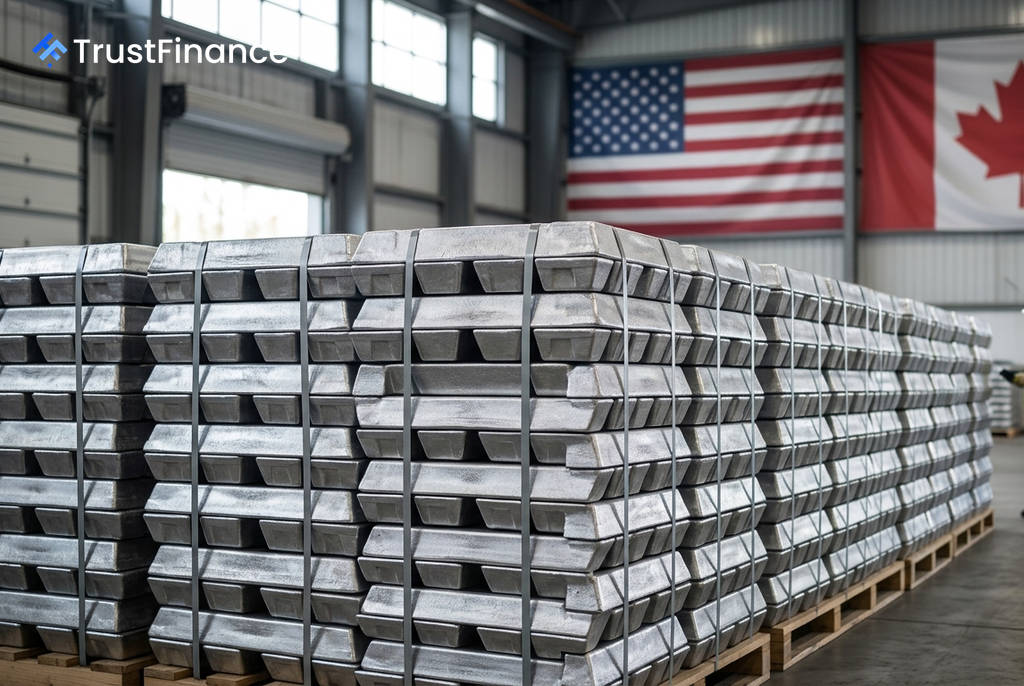
The U.S. Midwest aluminum premium could fall by 10-12 cents per pound if the United States moves forward with a potential plan to reduce import tariffs on Canadian aluminum, according to an analysis by Morgan Stanley. The bank's analysts see modest downside risks to the premium, which is a key component of the all-in price for the metal in North America.
Potential Tariff Reduction
The analysis follows reports that the U.S. is considering a reduction in import tariffs on aluminum from Canada to 25% from the current 50%, according to people familiar with the matter cited in the report. A final deal has not been reached.
Canada has historically been the largest supplier of aluminum to the U.S., which relies on imports for approximately 80% of its total demand. In the first half of 2026, Canadian exports covered 68% of U.S. import needs, averaging 192,000 tons per month against total U.S. imports of 280,000 tons per month.
Market Impact Analysis
Morgan Stanley notes that the Midwest Premium has been trading about 30% above the cost implied by tariffs. This elevated level reflects the opportunity cost for Canadian producers, who can ship their metal to Europe duty-free, where premiums have also been strong. A lower U.S. tariff would reduce this competition for Canadian supply, potentially weighing on the U.S. premium.
 Ad
The bank estimates the premium could decline by about half of its excess value over the fair cost of tariffs. However, analysts stress that even with a lower tariff on Canadian imports, the U.S. would remain structurally short of aluminum. The marginal, or last, ton needed to meet demand would still likely enter the country at the higher 50% tariff rate, providing a floor for prices.
Broader Supply Context
Even if all of Canada's historical exports were redirected to the U.S., it would not fulfill the country's total import requirements. Pre-tariff Canadian export levels, which averaged 240,000 tons per month, would only cover about 85% of current U.S. import volumes.
Other factors could also influence supply, including a U.S. tariff relief mechanism that offers discounts to companies expanding capacity. This could bring in additional volumes at lower tariffs, particularly from a planned 750,000 ton-per-year smelter in the United Arab Emirates by EGA and Century, the report adds.
Read next
More on Stocks
FTC Orders Walmart, Uber, Delta to Disclose Data on Personalized Pricing
The U.S. Federal Trade Commission is demanding nine major companies, including leading retail, travel, and gig economy firms, to provide information on how they use consumer data for setting individual prices and wages.

Google Launches Gemini 4 Carbon AI Model to Bolster Cybersecurity Capabilities
Alphabet's Google has unveiled Gemini 4 Carbon, its latest AI model specifically designed for advanced cybersecurity tasks like vulnerability detection and secure code generation. The launch escalates competition with rivals OpenAI and Anthropic in the enterprise AI market.

Oracle Shares Surge After Unveiling $225 Billion Revenue Target for 2030
Oracle stock rose sharply after the company presented a long-term financial outlook targeting at least $225 billion in annual revenue by fiscal 2030, driven by its expanding AI infrastructure business.

DOJ Scrutinizes Nvidia's $12.9B Hugging Face Deal Amid Broader Antitrust Probe, Sources Say
The U.S. Department of Justice is reportedly examining Nvidia's planned $12.93 billion acquisition of AI platform Hugging Face as part of a wider, ongoing antitrust investigation into the chipmaker's market conduct.