
Story
Uber Fined €825 Million by Dutch Regulator Over Automated Driver Suspensions
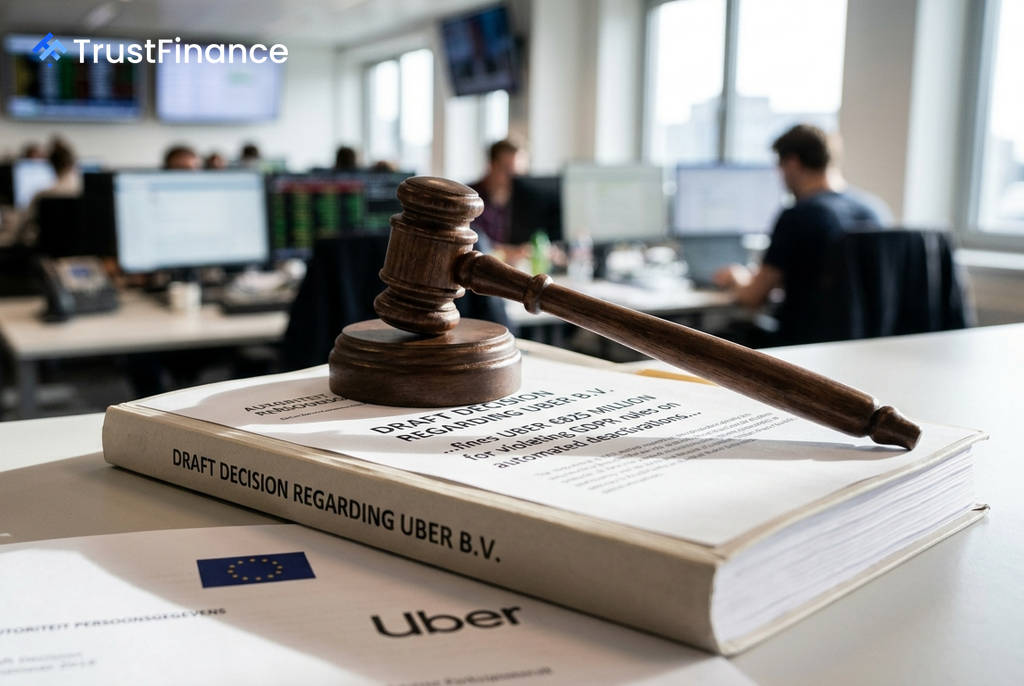
The Dutch Data Protection Authority (AP) has fined Uber €825 million ($966 million) for unlawfully using automated systems to suspend drivers, a significant enforcement action under Europe's stringent data privacy laws. According to an August 17 decision reviewed by Reuters, the regulator found the company failed to provide adequate human oversight and transparency in deactivating driver accounts.
Landmark GDPR Enforcement
The penalty represents the second-largest fine ever issued under the General Data Protection Regulation (GDPR). It is surpassed only by a €1.2 billion fine against Meta in 2023, which is currently under appeal. The Dutch regulator handled the case, which stemmed from a French complaint, because Uber's European headquarters is located in the Netherlands.
The AP's decision stated that Uber violated key tenets of the GDPR concerning incidents that occurred between 2020 and 2022. The authority identified two primary violations:
- Automated Decision-Making: The regulator found Uber infringed on drivers' "right not to be subject to automated decision-making that has...significant consequences."
- Right to Information: The company also violated the "right to be informed," which the agency deemed a serious matter justifying the substantial fine.
Uber to Appeal Fine
 Ad
Uber has announced its intention to appeal the ruling. "We strongly disagree with this decision and disproportionate fine," a company spokesperson said. Uber maintains that it takes drivers' rights seriously and that its current policies incorporate human reviews and provide drivers with opportunities to dispute platform suspensions.
The investigation focused on Uber's practice of temporarily suspending drivers for suspected fraud, such as taking inefficient routes to increase fares, based on algorithmic conclusions. The company also permanently deactivated some drivers who received low customer ratings. Uber stated that it no longer makes permanent deactivation decisions solely through automated systems and that fraud-related deactivations involved human review.
Market Implications
This ruling underscores the growing regulatory scrutiny facing technology companies that rely on algorithms for workforce management. For investors, it highlights the significant financial and reputational risks associated with non-compliance with data protection regulations like GDPR.
The case sets a major precedent for the gig economy, signaling that regulators are prepared to impose severe penalties on firms that automate critical decisions affecting workers' livelihoods without ensuring meaningful human intervention and transparency. The outcome of Uber's appeal will be closely watched by other platform-based companies.
Read next
More on Stocks
FTC Orders Walmart, Uber, Delta to Disclose Data on Personalized Pricing
The U.S. Federal Trade Commission is demanding nine major companies, including leading retail, travel, and gig economy firms, to provide information on how they use consumer data for setting individual prices and wages.

Google Launches Gemini 4 Carbon AI Model to Bolster Cybersecurity Capabilities
Alphabet's Google has unveiled Gemini 4 Carbon, its latest AI model specifically designed for advanced cybersecurity tasks like vulnerability detection and secure code generation. The launch escalates competition with rivals OpenAI and Anthropic in the enterprise AI market.

Oracle Shares Surge After Unveiling $225 Billion Revenue Target for 2030
Oracle stock rose sharply after the company presented a long-term financial outlook targeting at least $225 billion in annual revenue by fiscal 2030, driven by its expanding AI infrastructure business.

DOJ Scrutinizes Nvidia's $12.9B Hugging Face Deal Amid Broader Antitrust Probe, Sources Say
The U.S. Department of Justice is reportedly examining Nvidia's planned $12.93 billion acquisition of AI platform Hugging Face as part of a wider, ongoing antitrust investigation into the chipmaker's market conduct.