
Story
Tyson Foods to Shutter Three Beef Plants Amid Historic Cattle Shortage
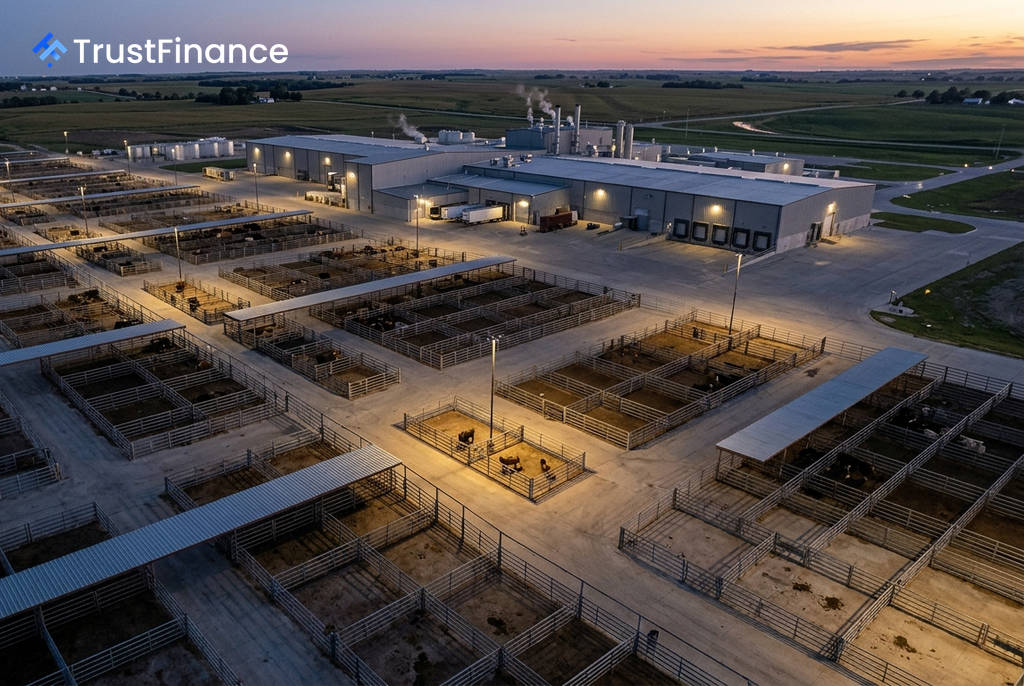
Tyson Foods announced Thursday it will close or sell three of its U.S. beef processing facilities, a significant move to shrink its operational footprint as the company confronts mounting losses from a historic shortage of cattle.
Restructuring Operations
The company will cease operations at its beef plant in Joslin, Illinois, and a case-ready packaging facility in Eagle Mountain, Utah. Additionally, Tyson is pursuing a sale of its beef plant in Pasco, Washington. According to a company statement, the processing capacity from these locations will be consolidated into other sites as Tyson anchors its beef business around its core plants in Nebraska, Kansas, and Texas.
This restructuring follows other recent cutbacks, including the January shutdown of a major beef plant in Lexington, Nebraska, and a shift reduction at its Amarillo, Texas, facility. Tyson said it plans to add a second shift in Amarillo "as cattle become available." The company did not specify how many employees would be affected by the latest closures.
Historic Shortage Squeezes Margins
The decision comes as the U.S. meatpacking industry struggles with cattle supplies at a 75-year low. A prolonged drought in the western U.S. has diminished grazing lands, and a federal ban on Mexican cattle imports has further tightened the supply chain. This scarcity has driven livestock costs to levels that outpace the rising prices of finished beef products, eroding profit margins for processors.
 Ad
On August 3, Tyson warned investors that losses in its beef division would widen. The company now forecasts an adjusted operating loss for its beef business between $500 million and $650 million for fiscal 2026, a significant increase from its previous estimate of a $350 million to $500 million loss.
Market and Consumer Impact
While the plant closures may impact regional cattle prices by reducing local competition for animals, one analyst noted it is unlikely to affect national livestock prices significantly. Meanwhile, consumers are facing record costs, with the average retail price for a pound of lean ground beef hitting $8.65 in June, according to federal data.
The U.S. government has indicated plans to begin lifting the ban on Mexican cattle imports this month. However, Tyson Chief Operating Officer Wes Morris stated last week that it could take up to a year for the company to see any benefits, as imported cattle require time for grazing and fattening before they are ready for slaughter.
Read next
More on Stocks
FTC Orders Walmart, Uber, Delta to Disclose Data on Personalized Pricing
The U.S. Federal Trade Commission is demanding nine major companies, including leading retail, travel, and gig economy firms, to provide information on how they use consumer data for setting individual prices and wages.

Google Launches Gemini 4 Carbon AI Model to Bolster Cybersecurity Capabilities
Alphabet's Google has unveiled Gemini 4 Carbon, its latest AI model specifically designed for advanced cybersecurity tasks like vulnerability detection and secure code generation. The launch escalates competition with rivals OpenAI and Anthropic in the enterprise AI market.

Oracle Shares Surge After Unveiling $225 Billion Revenue Target for 2030
Oracle stock rose sharply after the company presented a long-term financial outlook targeting at least $225 billion in annual revenue by fiscal 2030, driven by its expanding AI infrastructure business.

DOJ Scrutinizes Nvidia's $12.9B Hugging Face Deal Amid Broader Antitrust Probe, Sources Say
The U.S. Department of Justice is reportedly examining Nvidia's planned $12.93 billion acquisition of AI platform Hugging Face as part of a wider, ongoing antitrust investigation into the chipmaker's market conduct.