
Story
Trump Ends Iran Ceasefire Amid Renewed Hostilities, Spurring Oil Market Volatility
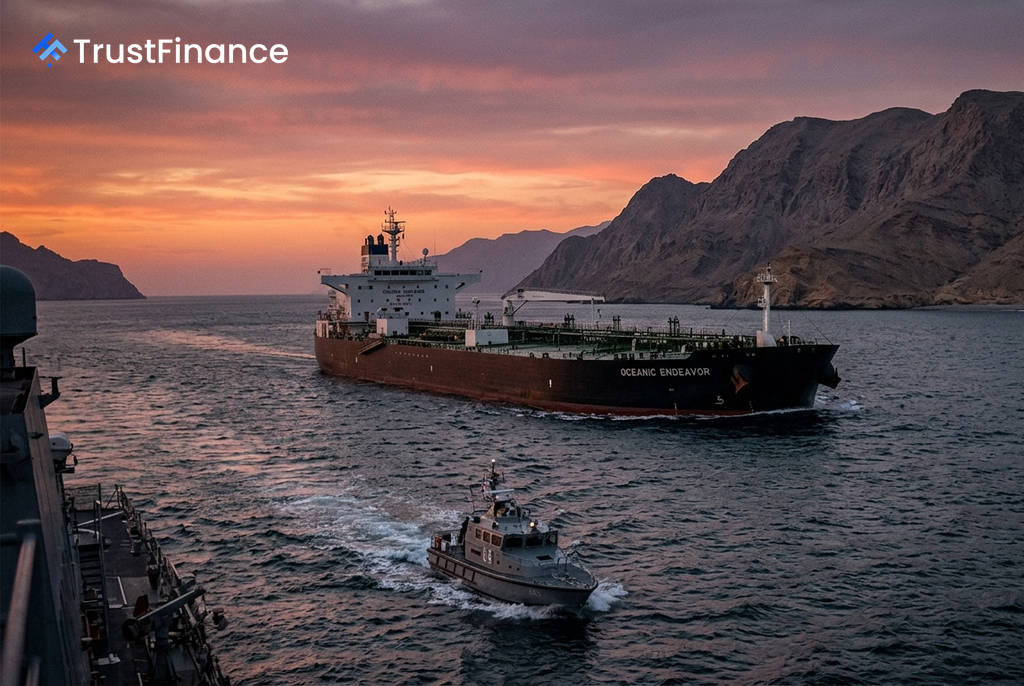
President Donald Trump said the U.S. and Iran have agreed to continue diplomatic talks but declared that a ceasefire reached last month is over. The announcement, made on his Truth Social platform, follows a week of renewed military hostilities in the Gulf that has heightened geopolitical tensions and roiled energy markets.
Escalation Ends Fragile Truce
The declaration follows a series of military exchanges, including attacks on three Qatari and Saudi commercial tankers, which prompted U.S. strikes on Iranian sites, according to a Reuters report. Iran reportedly responded with its own strikes on U.S. military locations in the region. The head of public relations at Iran's Health Ministry stated that U.S. strikes on Wednesday and Thursday killed at least 17 people and wounded 115.
While Trump stated that Iran had "asked us to continue 'talks,'" Iranian state television disputed this interpretation, saying Tehran had not requested talks but had agreed to host a Qatari mediator. A source familiar with the matter told Reuters that Qatari negotiators were in Iran on Friday to work on de-escalating the conflict.
Strait of Hormuz in Focus
A central point of contention is the Strait of Hormuz, a critical maritime chokepoint that handled approximately one-fifth of global oil supplies before the conflict began. According to senior U.S. officials, Washington is demanding that Iran publicly commit to halting all attacks on shipping in the strait and ensure that passage remains open.
 Ad
Diplomatic efforts are underway to address the situation. Iran's Foreign Minister is scheduled to visit Oman to discuss safe passage for vessels, the semi-official ISNA news agency reported. The renewed fighting has effectively given Tehran greater control over the waterway, creating a stalemate with the U.S. military.
Market Impact
The escalation has introduced significant volatility into commodity markets, particularly for crude oil. After weeks of declines, crude oil prices posted their biggest weekly rise in eight weeks as traders priced in a higher geopolitical risk premium and the potential for further disruptions to global energy supplies.
The instability threatens to reverse the recent easing of fuel prices for consumers and raises concerns about a potential slowdown in the global economy if the conflict throttles a major energy artery. The previous interim deal was intended to end the five-month conflict that has already disrupted supply chains and killed thousands.