
Story
Standard Chartered Shares Fall on HSBC-Led Sector Sell-Off Ahead of Earnings

Standard Chartered (LSE: STAN) shares declined Tuesday amid a wider downturn in the UK banking sector, triggered by a disappointing earnings report from its Asia-focused peer, HSBC. The sell-off comes just a day before Standard Chartered is scheduled to release its own third-quarter 2026 financial results, heightening investor nervousness.
HSBC Earnings Miss Sparks Contagion
The primary catalyst for the downturn was a negative market reaction to HSBC's third-quarter performance. The bank reported pre-tax profits that fell short of analyst consensus and a decline in its Common Equity Tier 1 (CET1) capital ratio, a key measure of financial strength.
HSBC shares fell sharply on the news, dragging down other financial stocks. The contagion effect reflects investor concern that the headwinds affecting HSBC, such as capital pressures and a challenging macroeconomic environment, may be prevalent across the entire sector. The FTSE 100 index was down approximately 0.87%, weighed down heavily by the slide in financials.
Pre-Earnings Jitters and Analyst Caution
With Standard Chartered set to report its Q3 results on Wednesday morning, the poor showing from HSBC has amplified pre-announcement anxiety among investors. Fears are growing that Standard Chartered could report a similar earnings shortfall or face comparable pressures.
 Ad
Adding to the cautious sentiment, analysts at UBS recently trimmed their price target for Standard Chartered's London-listed shares, although they maintained a Neutral rating. According to Investing.com, UBS cited potential headwinds from narrowing net interest margins and the risk of higher UK bank surcharge taxes as reasons for the adjustment.
Broader Market Headwinds
Standard Chartered's stock performance on Tuesday was also influenced by a challenging broader market environment. A general risk-off tone prevailed among investors ahead of the UK's Autumn Budget and a two-day policy meeting by the U.S. Federal Reserve.
Furthermore, rising bond yields continue to create capital and liquidity pressures for global banks. The 10-year U.S. Treasury yield, which recently stabilized around 5.11%, remains a key factor for the financial sector. Despite these pressures, the bank's underlying fundamentals, including a $1.3 billion share buyback program, were noted as remaining intact ahead of its earnings release.
Read next
More on Stocks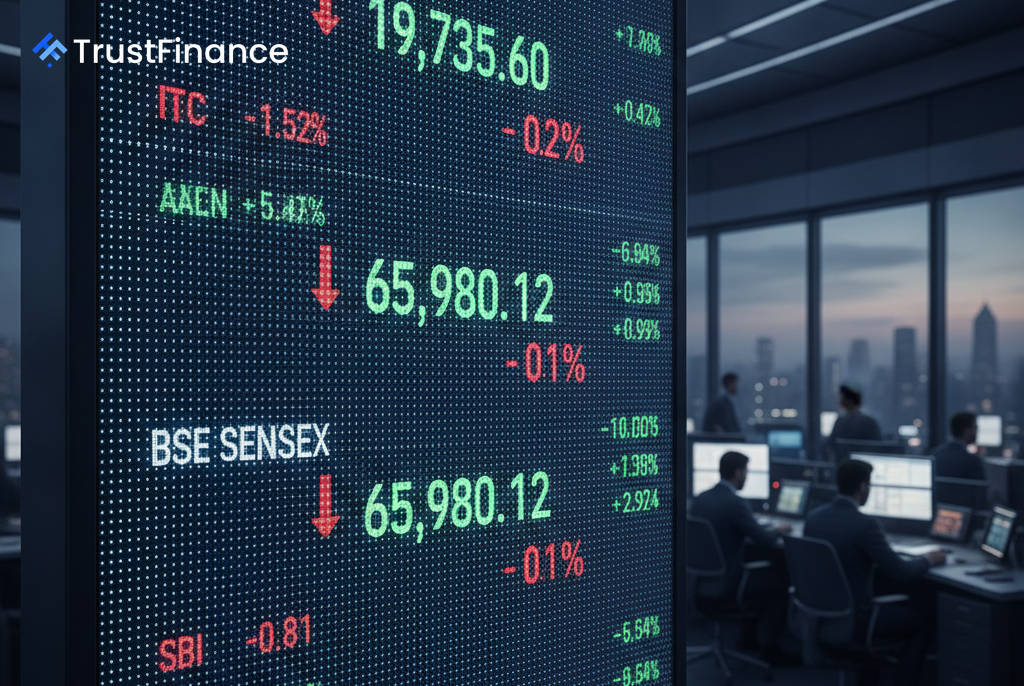
Indian Equities Close Nearly Flat as Banking, FMCG Losses Offset Gains
India's benchmark stock indices finished a mixed session nearly unchanged on Tuesday, as declines in the banking and consumer goods sectors erased earlier gains.

UPS Lifts Full-Year Forecast on Higher-Margin Shipment Strategy
United Parcel Service raised its full-year revenue and profit guidance, signaling that its focus on more profitable deliveries and cost-cutting measures is paying off.

Ferrovial Stock Jumps on Favorable Payment Terms for Tennessee Highway Project
Shares in the Spanish infrastructure firm surged after it revealed a back-end loaded payment schedule for its I-24 concession, easing investor concerns and boosting the project's expected profitability.

Anthropic IPO Filing Reveals Novel Governance to Safeguard AI Mission
AI safety pioneer Anthropic has detailed a complex corporate governance plan in its IPO filing, designed to insulate its mission from investor pressure through a long-term trust and founder-controlled supervoting shares.