
Story
SK Hynix, Samsung Unveil Over $100 Billion in Shareholder Payouts Amid AI Boom
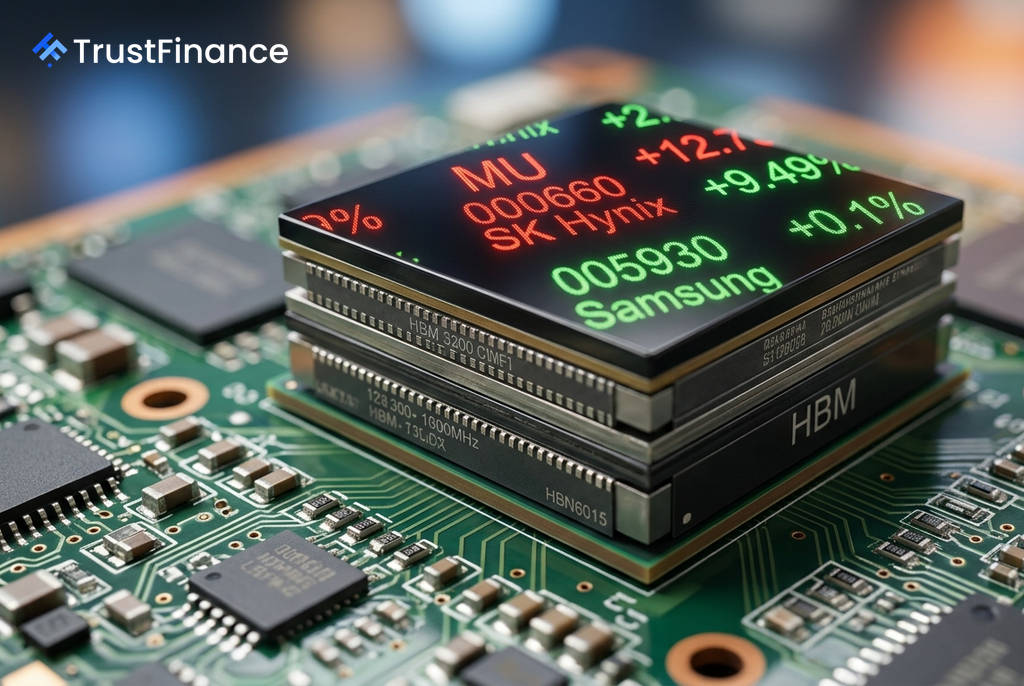
South Korean memory chip giants SK Hynix and Samsung Electronics are launching massive shareholder return programs, fueled by a surge in cash from the ongoing artificial intelligence boom. The moves stand in stark contrast to U.S.-based competitor Micron Technology, which has so far prioritized reinvestment over large-scale capital returns.
Korean Chipmakers Boost Payouts
SK Hynix announced on August 19 a plan to buy back 40 trillion won ($28.6 billion) in shares, representing about 3.3% of its outstanding stock. The company is raising its shareholder return target to over 50% of its cumulative free cash flow for the 2025-2027 period, according to a report from Investing.com.
Meanwhile, Samsung is reportedly preparing an even larger package worth over 100 trillion won ($72 billion), which would be one of the largest shareholder returns in South Korean corporate history. The plan is expected to rely on special dividends due to regulatory complexities. These actions are partly influenced by South Korea's "Value-up" program, which encourages companies to improve shareholder returns.
Micron's Cash Hoard Grows
Micron Technology (MU) has seen a dramatic financial turnaround, driven by demand for AI memory. The company's free cash flow (FCF) has swung from a negative $6.1 billion in fiscal year 2023 to a positive $26.2 billion over the last twelve months. This has swelled its net cash position to $100.7 billion as of August 19.
 Ad
Despite this financial strength, Micron's capital return to shareholders has remained minimal. Its buyback yield is just 0.1%, and its dividend yield was recently reduced. This has led investors to question whether the U.S. firm will follow its Korean rivals' lead.
Different Priorities May Delay Buybacks
While Micron has the financial capacity for a significant buyback, analysts point to several factors that may prevent an imminent announcement:
- Capital Expenditures: Micron is in the midst of a major investment cycle to expand its production of High Bandwidth Memory (HBM) to compete directly with SK Hynix in the AI accelerator market.
- Cyclical Nature: The memory industry is known for its boom-and-bust cycles. Management may be opting to build a substantial cash buffer as a precaution, given that the company's FCF was negative just two years ago.
- Lack of Regulatory Pressure: Unlike its Korean peers, Micron does not face a government-led initiative pushing for higher shareholder payouts.
Investors will be closely watching Micron's next earnings release on September 29 for any signals of a shift in its capital allocation strategy. Until then, the significant increase in shareholder returns appears to be a trend specific to the South Korean market.
Read next
More on Stocks
FTC Orders Walmart, Uber, Delta to Disclose Data on Personalized Pricing
The U.S. Federal Trade Commission is demanding nine major companies, including leading retail, travel, and gig economy firms, to provide information on how they use consumer data for setting individual prices and wages.

Google Launches Gemini 4 Carbon AI Model to Bolster Cybersecurity Capabilities
Alphabet's Google has unveiled Gemini 4 Carbon, its latest AI model specifically designed for advanced cybersecurity tasks like vulnerability detection and secure code generation. The launch escalates competition with rivals OpenAI and Anthropic in the enterprise AI market.

Oracle Shares Surge After Unveiling $225 Billion Revenue Target for 2030
Oracle stock rose sharply after the company presented a long-term financial outlook targeting at least $225 billion in annual revenue by fiscal 2030, driven by its expanding AI infrastructure business.

DOJ Scrutinizes Nvidia's $12.9B Hugging Face Deal Amid Broader Antitrust Probe, Sources Say
The U.S. Department of Justice is reportedly examining Nvidia's planned $12.93 billion acquisition of AI platform Hugging Face as part of a wider, ongoing antitrust investigation into the chipmaker's market conduct.