
Story
Shein Reverses Vietnam Expansion Amid Shifting U.S. Trade Policy
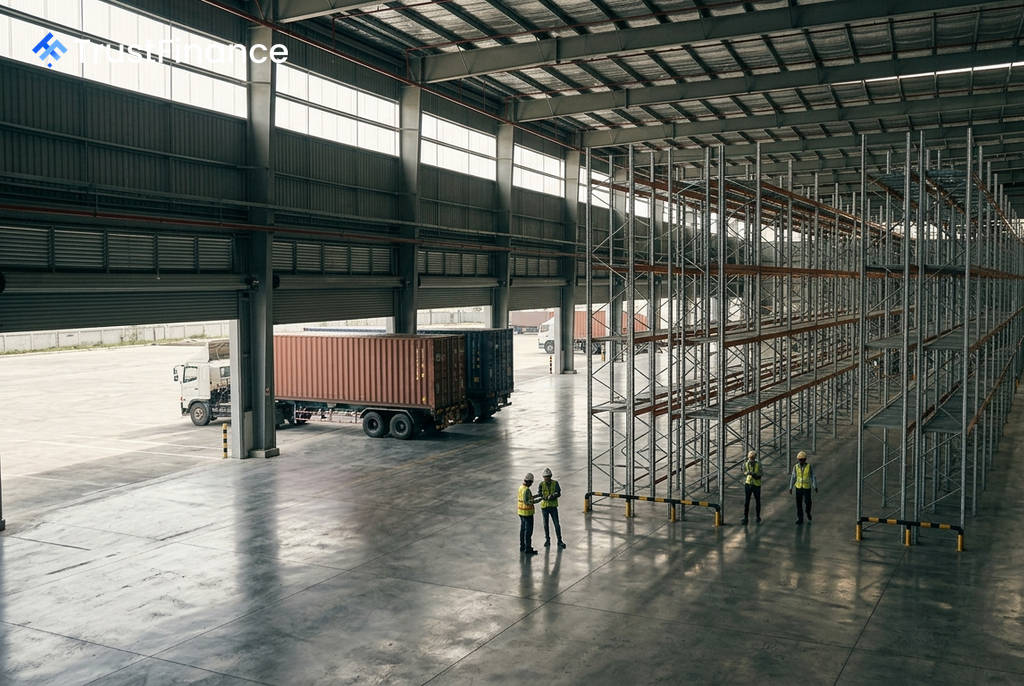
Fast-fashion giant Shein is significantly downsizing its ambitious expansion into Vietnam, a strategic retreat forced by abrupt changes in U.S. trade policy and operational challenges in replicating its China-centric production model, according to a Reuters report citing six people familiar with its operations.
Vietnam Operations Scaled Back
Just over a year after beginning to lease a 15-hectare bonded logistics hub near Ho Chi Minh City, Shein is scaling back sharply. The leased space has been reduced to 6 hectares, according to two sources, with another person stating only a third of the originally planned site is in use.
Mass layoffs at the facility reportedly began in April 2026, with some teams retaining as few as one in four employees. A late July visit by Reuters to the site, which once employed thousands, found only a handful of workers and minimal truck activity, in stark contrast to bustling nearby warehouses.
Shifting Trade Winds Undermine Strategy
The reversal follows a series of U.S. trade policy shifts that eroded Vietnam's appeal as an alternative manufacturing base. Shein's initial push into the country in late 2024 was a hedge against a potential U.S.-China trade war and the anticipated loss of a valuable U.S. tax exemption.
Key policy changes that impacted the strategy include:
 Ad
- End of 'de minimis' exemption: The U.S. eliminated the duty-free exemption for direct-to-consumer shipments valued under $800 from all countries in August 2025, nullifying a key advantage for offshore manufacturing hubs.
- Tariff adjustments: While Vietnamese apparel is still subject to smaller U.S. tariffs than Chinese goods, the advantage has narrowed as some sky-high tariffs on Chinese products were reduced.
- New forced labor tariffs: In July 2026, the U.S. imposed new 12.5% tariffs on both China and Vietnam over alleged forced labor concerns, further weakening the case for relocating production.
The Irreplaceable China Model
Beyond tariffs, Shein discovered that its unique, high-speed, low-margin business model is deeply dependent on its network of suppliers in southern China. Sources at Chinese suppliers told Reuters that finding Vietnamese workers willing to accommodate the long hours and low wages common in the industry proved difficult.
"Sourcing diversification beyond China has practical limits, especially for companies like Shein whose competitive advantage depends on speed, flexibility, and extremely small production runs," said Sheng Lu, a professor of fashion and apparel studies at the University of Delaware. The low efficiency in Vietnam made it less viable than manufacturing in China, even with a tariff advantage, according to a factory manager in Guangzhou.
Renewed Focus on China
Now pursuing a Hong Kong IPO after unsuccessful listing attempts in New York and London, Shein is deepening its commitment to its home base. The company has pledged to invest over 10 billion yuan ($1.5 billion) in a smart supply-chain system in China's Guangdong province. However, the company faces new headwinds, including a 14% slide in first-quarter U.S. revenue following the end of the de minimis exemption and new EU duties on low-value imports.
Read next
More on Stocks
FTC Orders Walmart, Uber, Delta to Disclose Data on Personalized Pricing
The U.S. Federal Trade Commission is demanding nine major companies, including leading retail, travel, and gig economy firms, to provide information on how they use consumer data for setting individual prices and wages.

Google Launches Gemini 4 Carbon AI Model to Bolster Cybersecurity Capabilities
Alphabet's Google has unveiled Gemini 4 Carbon, its latest AI model specifically designed for advanced cybersecurity tasks like vulnerability detection and secure code generation. The launch escalates competition with rivals OpenAI and Anthropic in the enterprise AI market.

Oracle Shares Surge After Unveiling $225 Billion Revenue Target for 2030
Oracle stock rose sharply after the company presented a long-term financial outlook targeting at least $225 billion in annual revenue by fiscal 2030, driven by its expanding AI infrastructure business.

DOJ Scrutinizes Nvidia's $12.9B Hugging Face Deal Amid Broader Antitrust Probe, Sources Say
The U.S. Department of Justice is reportedly examining Nvidia's planned $12.93 billion acquisition of AI platform Hugging Face as part of a wider, ongoing antitrust investigation into the chipmaker's market conduct.