
Story
Saudi Aramco Offers Spot Crude to Europe as Pipeline Exports Resume
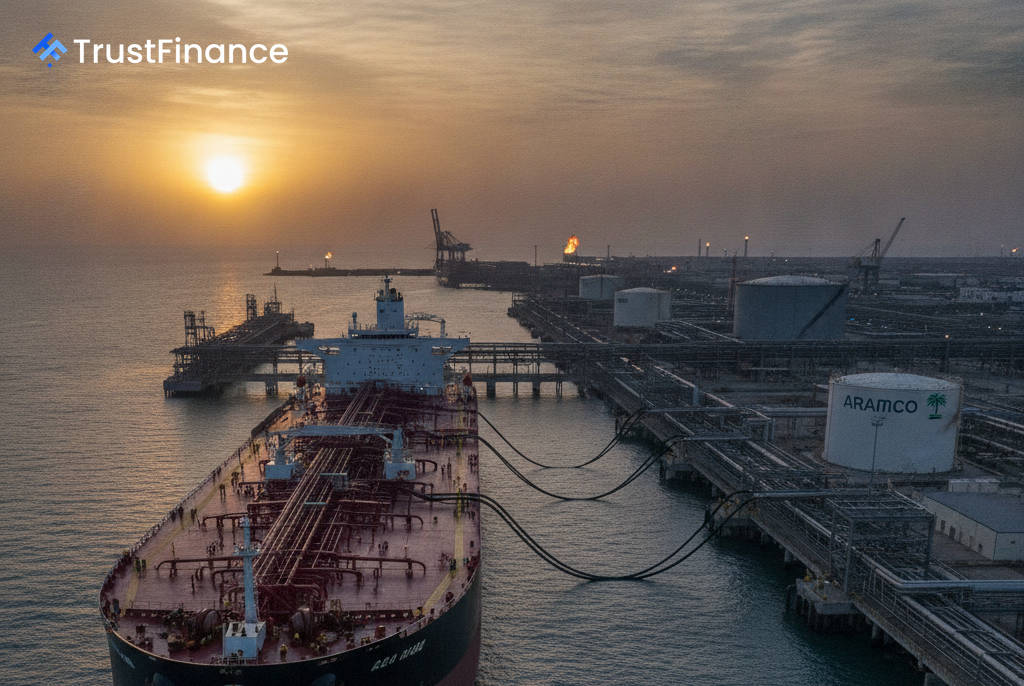
Saudi Aramco is offering spot cargoes of crude oil to European buyers for October and November delivery, a move to compensate for supply disruptions following the temporary shutdown of a key export pipeline. The state-owned oil giant is working to restore normal flows to a market that had faced uncertainty over its term contracts.
Supply Normalization
According to a Bloomberg report on Tuesday, Aramco made offers for late-October loading earlier this month and followed up with additional spot supplies for November pickup last week. The October-loading cargoes were reportedly offered at a discount to Aramco's official selling price (OSP).
Buyers have the option to lift the crude from either the Mediterranean port of Sidi Kerir or from Yanbu on Saudi Arabia's Red Sea coast, the report noted.
Reversing Earlier Disruptions
The spot offerings follow a period of supply interruption caused by an attack on the country's East-West pipeline, which impacted exports from the Red Sea port of Yanbu. That disruption initially prompted Aramco to inform European refiners they would not receive any crude under their term contracts for October.
 Ad
However, with the pipeline now restarted, the company has reportedly assured European customers they will receive their full term contract allocations for November, signaling a return to operational stability.
Market Implications
The resumption of Saudi supply has reportedly contributed to a drop in prices for some European oil grades this week, helping to ease previously tight market conditions. Uncertainty over term shipments had pushed many European refiners to seek alternative supplies in the spot market.
Saudi Arabia typically exports between 700,000 and 800,000 barrels per day of crude to Europe, with the majority supplied under long-term contracts, according to ship-tracking data compiled by Bloomberg. The increased availability of spot cargoes provides refiners with additional flexibility.
This development is part of a broader trend of rising production in the Middle East. Saudi Arabia's own output surged in September to over 8 million barrels per day, recovering from a multi-decade low. The International Energy Agency has also noted that the UAE has pushed output to a record high, while Iraqi exports are also climbing.
Read next
More on Commodities
U.S. Crude Inventories Post Surprise Draw While Gasoline Stocks Swell, EIA Reports
U.S. crude oil stockpiles fell unexpectedly last week, driven by a surge in exports, while gasoline inventories saw a significant build amid weakening demand, according to the latest EIA data.

UBS Raises Year-End Brent Forecast to $110 on Middle East Supply Risks
UBS has increased its year-end forecast for Brent crude to $110 per barrel, citing escalating supply risks in the Middle East, declining global inventories, and record-high freight costs.

Iran Dismisses Latest Qatari Peace Proposal as 'Unacceptable'
A senior Iranian official has rejected the latest Qatari-mediated draft deal to end the eight-month war, calling the ideas 'unacceptable' and signaling a continued diplomatic impasse. The news comes amid rising oil prices following attacks on Saudi energy infrastructure.

Argentina Poised to Gain EU Soymeal Market Share as Deforestation Rules Hit Brazil
Argentina's soybean industry is preparing to capture a larger share of the European Union's soymeal market as new EU anti-deforestation rules are expected to disrupt exports from rival Brazil.