
Story
Poland to Finalize Strategic Oil Reserve Release Plan by End of November
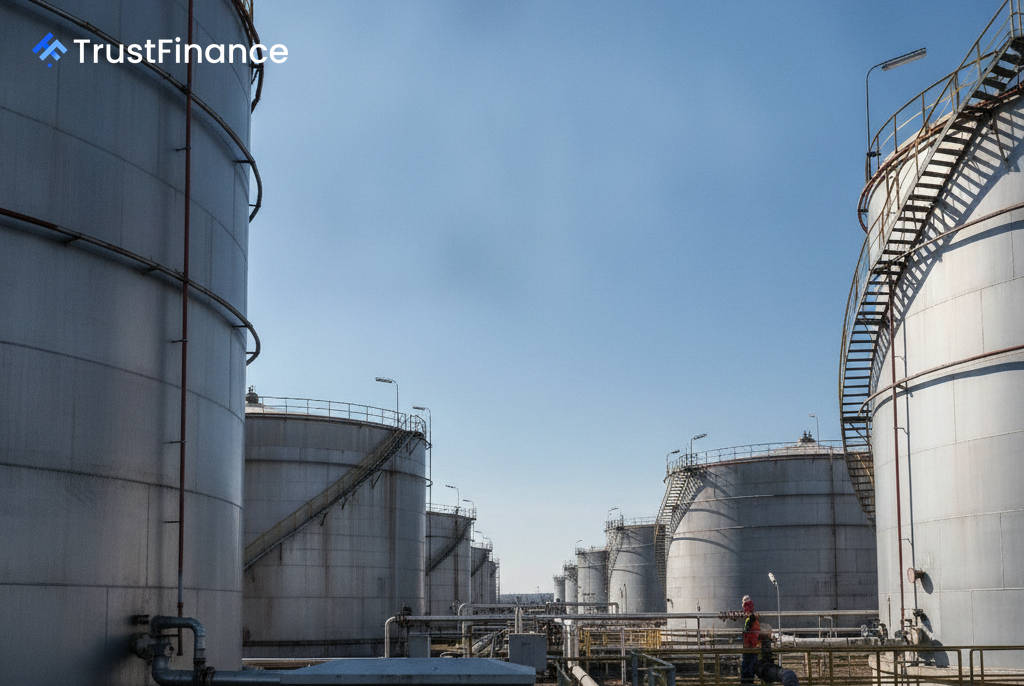
Poland will formulate a plan by the end of November for a potential release of its strategic oil and fuel reserves, Energy Minister Milosz Motyka announced Tuesday. The minister clarified, however, that the country does not currently see an urgent need to tap into its emergency stockpiles.
A Coordinated but Separate Schedule
According to Motyka, Poland intends to coordinate its actions with other nations but will follow its own timeline. "We communicated that we will adopt a separate schedule, but we do not have it developed yet," the minister stated. Discussions are planned with Nordic countries and likely the Netherlands regarding their respective release plans.
The development is part of a broader, multinational effort to stabilize energy markets. On October 15, the International Energy Agency (IEA) confirmed that member countries would complete a previously agreed-upon release of reserves, with about 100 million barrels still pending from a total commitment surpassing 400 million barrels made in March.
 Ad
Geopolitical Considerations
Poland's cautious stance is influenced by its unique geopolitical circumstances. The country previously submitted a dissenting opinion at an IEA Governing Board meeting concerning the release schedule.
Warsaw cited its "particular situation and risks related to fuel supplies to Ukraine" as the reason for its distinct position. This highlights the strategic importance of maintaining robust fuel reserves while serving as a key logistical hub for its war-torn neighbor, a factor that complicates its participation in broad international energy actions.
Read next
More on Commodities
U.S. Crude Inventories Post Surprise Draw While Gasoline Stocks Swell, EIA Reports
U.S. crude oil stockpiles fell unexpectedly last week, driven by a surge in exports, while gasoline inventories saw a significant build amid weakening demand, according to the latest EIA data.

UBS Raises Year-End Brent Forecast to $110 on Middle East Supply Risks
UBS has increased its year-end forecast for Brent crude to $110 per barrel, citing escalating supply risks in the Middle East, declining global inventories, and record-high freight costs.
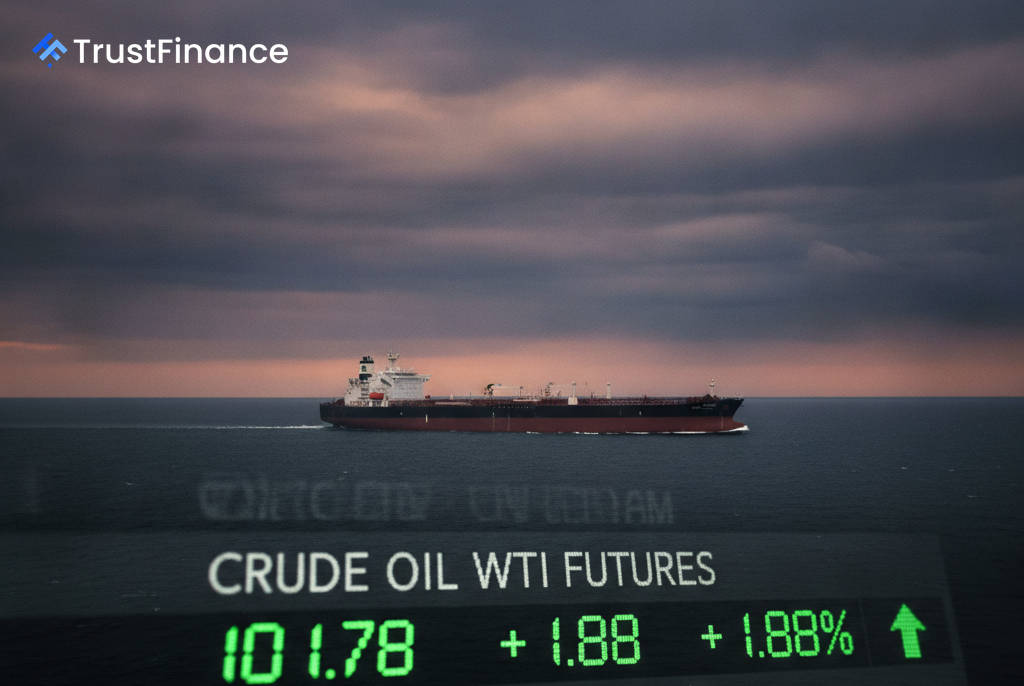
Iran Dismisses Latest Qatari Peace Proposal as 'Unacceptable'
A senior Iranian official has rejected the latest Qatari-mediated draft deal to end the eight-month war, calling the ideas 'unacceptable' and signaling a continued diplomatic impasse. The news comes amid rising oil prices following attacks on Saudi energy infrastructure.

Argentina Poised to Gain EU Soymeal Market Share as Deforestation Rules Hit Brazil
Argentina's soybean industry is preparing to capture a larger share of the European Union's soymeal market as new EU anti-deforestation rules are expected to disrupt exports from rival Brazil.