
Story
Samsung Reportedly Raises Chip Foundry Prices by Up to 15% Amid AI Demand Surge
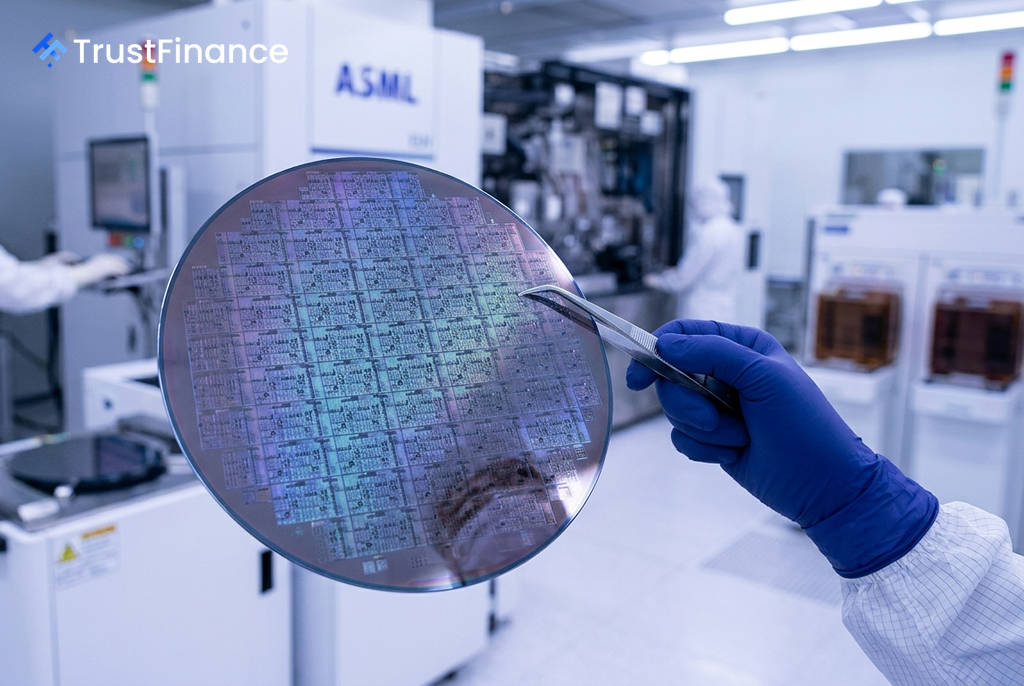
Samsung Electronics has raised prices for some of its advanced contract chipmaking services by up to 15% for new orders, according to two people familiar with the matter. The move reflects a surge in demand for artificial intelligence chips that is tightening production capacity in the global foundry market, long dominated by Taiwan's TSMC.
Details of the Price Hikes
The price adjustments, which reportedly took place in July, affect several of Samsung's manufacturing processes. The sources, who requested anonymity, provided the following details:
- 4-nanometer (SF4) process: Prices increased by 10% to 15% for customers in China and the U.S., while customers in Taiwan saw a 5% to 10% rise.
- 5-nanometer (SF5) process: Prices were raised by 10% to 15%.
- 8-nanometer process: Prices for this older technology increased by nearly 10%.
Samsung declined to comment on the matter, stating it does not provide details on its operational matters.
Market Dynamics and AI Demand
The price increases signal a significant shift in the semiconductor market. Industry leader Taiwan Semiconductor Manufacturing Co. (TSMC), which commanded over 70% of global foundry revenue in the first quarter of 2026 versus Samsung's 7%, according to research firm Counterpoint, has seen much of its leading-edge capacity booked by AI chip demand.
 Ad
This has given Samsung, the world's second-largest foundry, greater leverage to raise its prices. Demand has been particularly strong from Chinese customers, who are reportedly accepting the steepest increases. One source noted that U.S. export restrictions on advanced chipmaking equipment to China have increased local firms' reliance on overseas foundries like Samsung.
"As TSMC faces tight capacity and raises prices, customers are shifting to rivals such as Samsung and Intel, prompting Samsung to raise its prices as well," said Lee Min-hee, an analyst at BNK Investment & Securities, in a comment to Reuters.
A Potential Turnaround for Samsung's Foundry
The price hikes could mark a turning point for Samsung's foundry business, which has operated at a loss since 2022, according to industry estimates. The division's Pyeongtaek production line for its SF4 process has reportedly been running at full capacity since late last year, producing chips for clients like Qualcomm and base dies for Samsung's own High-Bandwidth Memory (HBM) chips.
Improved production yields have also helped Samsung secure deals with major clients, including Nvidia, Broadcom, Tesla, and Apple. Lee, the analyst, suggested that if Samsung continues to raise prices, its foundry business could become profitable as early as next year, ahead of previous expectations.
Read next
More on Stocks
FTC Orders Walmart, Uber, Delta to Disclose Data on Personalized Pricing
The U.S. Federal Trade Commission is demanding nine major companies, including leading retail, travel, and gig economy firms, to provide information on how they use consumer data for setting individual prices and wages.

Google Launches Gemini 4 Carbon AI Model to Bolster Cybersecurity Capabilities
Alphabet's Google has unveiled Gemini 4 Carbon, its latest AI model specifically designed for advanced cybersecurity tasks like vulnerability detection and secure code generation. The launch escalates competition with rivals OpenAI and Anthropic in the enterprise AI market.

Oracle Shares Surge After Unveiling $225 Billion Revenue Target for 2030
Oracle stock rose sharply after the company presented a long-term financial outlook targeting at least $225 billion in annual revenue by fiscal 2030, driven by its expanding AI infrastructure business.

DOJ Scrutinizes Nvidia's $12.9B Hugging Face Deal Amid Broader Antitrust Probe, Sources Say
The U.S. Department of Justice is reportedly examining Nvidia's planned $12.93 billion acquisition of AI platform Hugging Face as part of a wider, ongoing antitrust investigation into the chipmaker's market conduct.