
Story
PepsiCo Highlighted in Stock Screen for High Yield and Valuation Discount
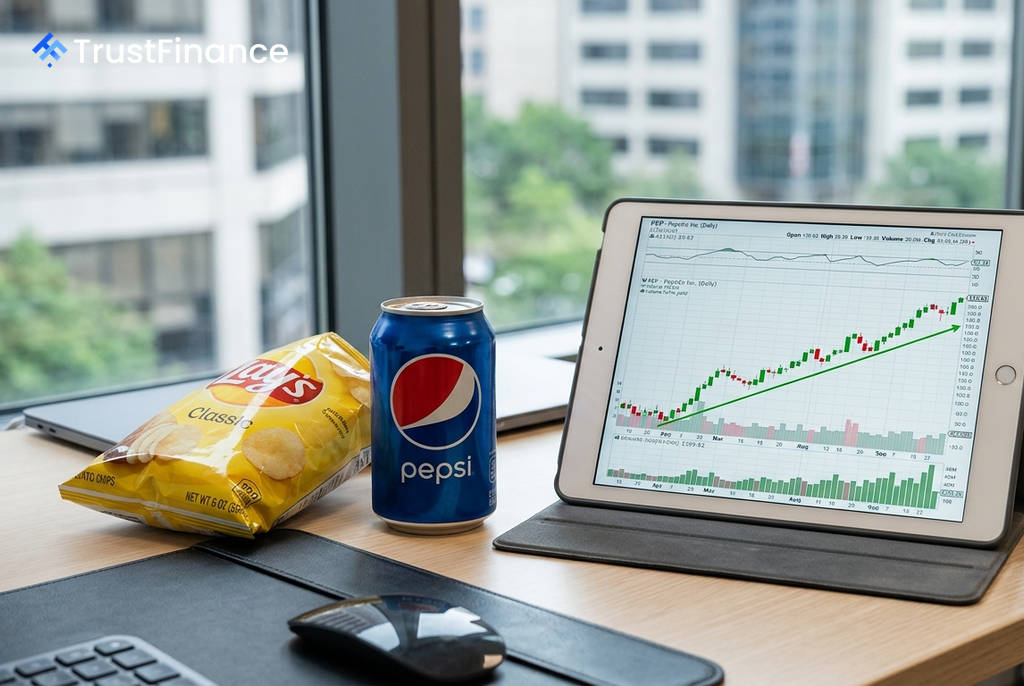
An Investing.com analysis of six blue-chip dividend stocks has highlighted PepsiCo (PEP), citing a compelling combination of high current yield, a history of consistent dividend growth, and a valuation that appears discounted relative to its peers.
Comparative Analysis
The screen, which included companies like Procter & Gamble (PG) and McDonald’s (MCD), positioned PepsiCo favorably on several key metrics as of August 13, 2026. The report noted that PepsiCo offered the highest dividend yield and lowest price-to-earnings (P/E) ratio in the analyzed group.
Key figures for PepsiCo from the analysis include:
- Dividend Yield: 4.3%
- Price-to-Earnings (P/E) Ratio: 18.1x
- 5-Year Dividend CAGR: 6.8%
- Fair Value Upside: Estimated at +21.3%
- Return on Equity (ROE): 51.6%
The Bull Case
 Ad
The analysis emphasized PepsiCo's status as a “Dividend King,” a term for companies with over 50 consecutive years of dividend increases. This track record suggests a resilient business model capable of performing through various economic cycles. The report pointed to the combination of a 4.3% starting yield and 6.8% annualized dividend growth as a powerful compounding engine for income-focused investors.
Furthermore, the company's high Return on Equity (51.6%) was attributed to strong capital efficiency and the significant pricing power of its core brands, including Frito-Lay, Quaker, and Gatorade. According to the analysis, this brand strength helps protect profit margins.
Acknowledged Risks
The report also identified PepsiCo's elevated debt level as a key risk for investors to monitor. Its debt-to-equity ratio of 240.8% was the highest among the compared stocks.
However, the analysis suggested this leverage is a deliberate part of the company's financial strategy, enabled by its highly predictable cash flows. While not an immediate concern, it was noted that a sharp rise in interest rates could increase refinancing costs for the company.
Read next
More on Stocks
FTC Orders Walmart, Uber, Delta to Disclose Data on Personalized Pricing
The U.S. Federal Trade Commission is demanding nine major companies, including leading retail, travel, and gig economy firms, to provide information on how they use consumer data for setting individual prices and wages.

Google Launches Gemini 4 Carbon AI Model to Bolster Cybersecurity Capabilities
Alphabet's Google has unveiled Gemini 4 Carbon, its latest AI model specifically designed for advanced cybersecurity tasks like vulnerability detection and secure code generation. The launch escalates competition with rivals OpenAI and Anthropic in the enterprise AI market.

Oracle Shares Surge After Unveiling $225 Billion Revenue Target for 2030
Oracle stock rose sharply after the company presented a long-term financial outlook targeting at least $225 billion in annual revenue by fiscal 2030, driven by its expanding AI infrastructure business.

DOJ Scrutinizes Nvidia's $12.9B Hugging Face Deal Amid Broader Antitrust Probe, Sources Say
The U.S. Department of Justice is reportedly examining Nvidia's planned $12.93 billion acquisition of AI platform Hugging Face as part of a wider, ongoing antitrust investigation into the chipmaker's market conduct.