
Story
New Screwworm Case in New Mexico Casts Doubt on Livestock Port Reopening
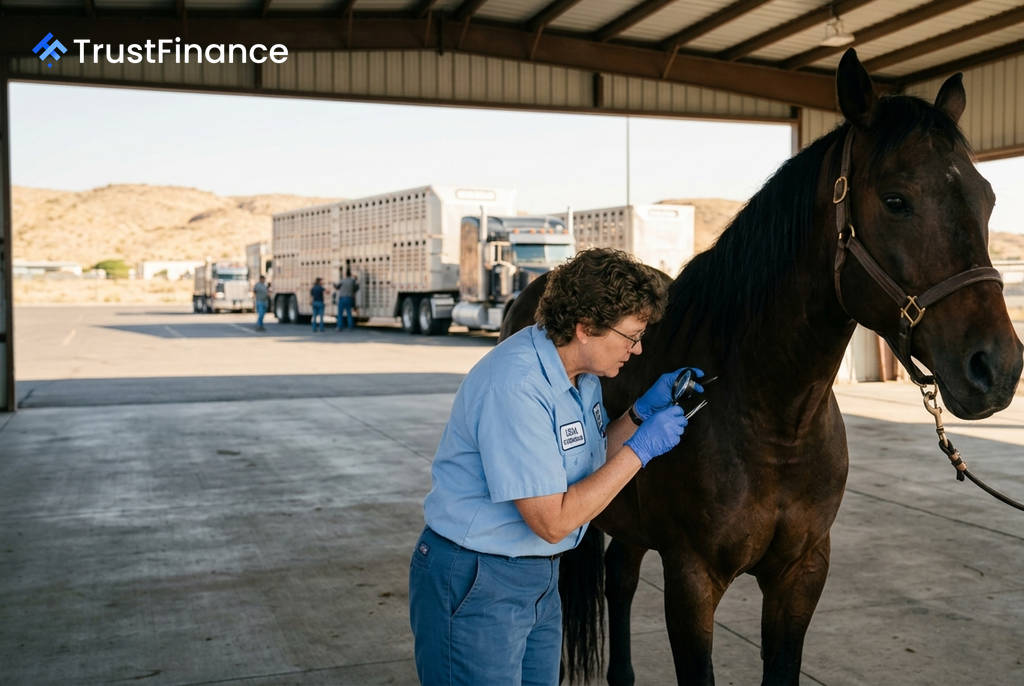
The U.S. Department of Agriculture (USDA) on Thursday confirmed a case of New World screwworm in a horse in New Mexico, complicating plans to resume Mexican livestock imports into the state.
Latest Case Details
The infestation was discovered in a horse in Grant County, located in the southwestern corner of the state near the Mexican border, according to information on the USDA's website. This marks the second confirmed case in New Mexico since the flesh-eating parasite re-emerged in the U.S. from Mexico in June.
Officials are investigating how the horse became infested, according to Jenny Green, a spokesperson for the New Mexico Department of Agriculture. This is one of three active screwworm cases in the U.S., which include:
- The horse in Grant County, New Mexico
- A horse in southern Texas
- A dog in Texas
Port Reopening in Question
 Ad
The timing of the discovery creates uncertainty for agricultural trade. On Wednesday, U.S. Agriculture Secretary Brooke Rollins announced that the Santa Teresa, New Mexico, port of entry was set to reopen to livestock trade on September 24. The port had been closed due to screwworm concerns.
The New Mexico Department of Agriculture stated that the new horse case had not been confirmed at the time of the Secretary's announcement. On Thursday, spokesperson Jenny Green said she had no immediate update on whether the latest infestation would affect the reopening plans. The USDA did not immediately respond to a request for comment.
Market and Trade Context
The U.S. halted livestock imports from Mexico last year in an effort to prevent the spread of screwworm, a pest that was declared eradicated in the country in the 1960s after a severe outbreak killed thousands of animals. That trade halt contributed to tighter U.S. cattle supplies and pushed domestic beef prices to record highs.
A phased reopening of trade began last month at an Arizona port. The potential delay at the New Mexico port highlights ongoing biosecurity challenges, with Reuters previously reporting on concerns that smuggled animals could serve as hosts for the parasite.
Read next
More on Commodities
U.S. Crude Inventories Post Surprise Draw While Gasoline Stocks Swell, EIA Reports
U.S. crude oil stockpiles fell unexpectedly last week, driven by a surge in exports, while gasoline inventories saw a significant build amid weakening demand, according to the latest EIA data.

UBS Raises Year-End Brent Forecast to $110 on Middle East Supply Risks
UBS has increased its year-end forecast for Brent crude to $110 per barrel, citing escalating supply risks in the Middle East, declining global inventories, and record-high freight costs.

Iran Dismisses Latest Qatari Peace Proposal as 'Unacceptable'
A senior Iranian official has rejected the latest Qatari-mediated draft deal to end the eight-month war, calling the ideas 'unacceptable' and signaling a continued diplomatic impasse. The news comes amid rising oil prices following attacks on Saudi energy infrastructure.

Argentina Poised to Gain EU Soymeal Market Share as Deforestation Rules Hit Brazil
Argentina's soybean industry is preparing to capture a larger share of the European Union's soymeal market as new EU anti-deforestation rules are expected to disrupt exports from rival Brazil.