
Story
Microsoft Scales Back China Operations Amid Geopolitical and Regulatory Pressures
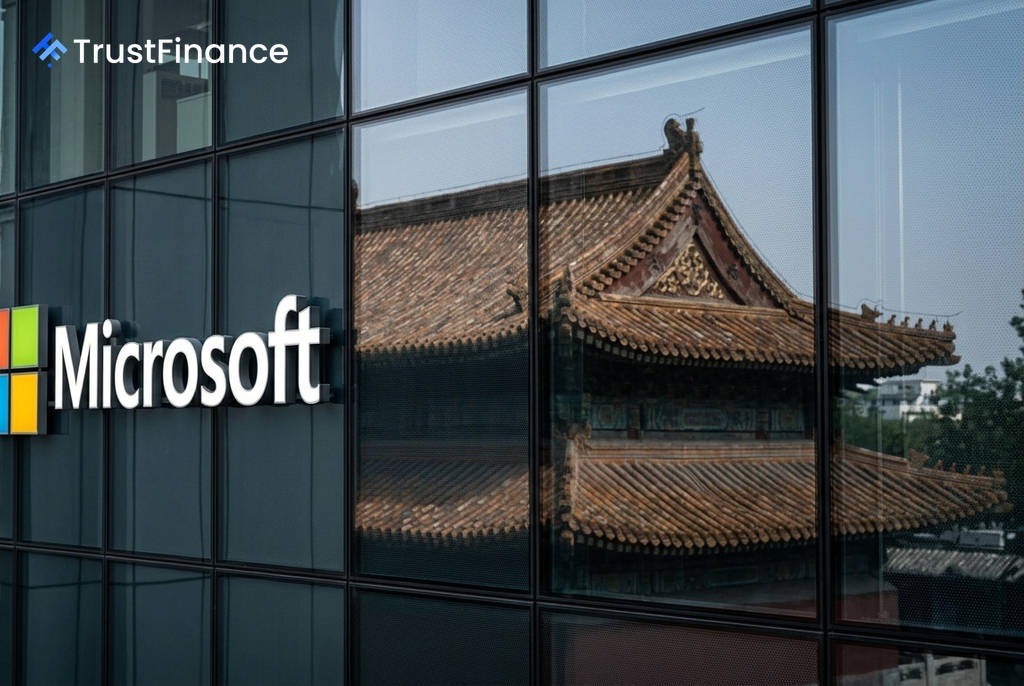
Microsoft is executing a strategic retreat from China, a significant shift for a company that once viewed exiting the market as unthinkable, according to a Reuters report citing five sources familiar with the company's strategy. The U.S. tech giant has closed at least 15 branch offices and joint ventures in the country over the past five years, a response to mounting geopolitical risks and diminishing returns.
Geopolitical and Regulatory Headwinds
The scaling back comes as Microsoft navigates an increasingly difficult operating environment shaped by both U.S. and Chinese policies. According to one source, some executives considered a full exit from China in 2023, weighing the geopolitical risks against the market's relatively small contribution to the bottom line. China accounted for just 1.5% of Microsoft's global revenue, the company stated in 2024.
Since 2017, Beijing has promoted the use of domestic software under procurement guidelines for "safe and reliable" services, which has disadvantaged foreign operating systems like Windows. Concurrently, U.S. export controls on advanced technology have hampered Microsoft's ability to expand its lucrative cloud and AI businesses within China.
The AI and Cloud Lifeline
Despite the retreat, Microsoft has retained a crucial foothold by servicing Chinese multinational companies. Firms like TikTok-owner ByteDance and retailer Shein rely on Microsoft's Azure cloud platform to manage their overseas operations and comply with international data regulations, according to company sources.
 Ad
This business line has become Microsoft's largest China-linked revenue stream. The company also offers these enterprise clients exclusive access to Western AI models from partners like OpenAI, which are not otherwise available in China. This niche has provided a compelling reason for Microsoft to maintain its presence, even as its traditional software business faces pressure.
A Growing Talent Challenge
The strategic shift has also impacted Microsoft's ability to retain top engineering talent in China. U.S. restrictions on AI and chip technology have limited the access of its China-based researchers to cutting-edge projects. In 2024, Microsoft offered relocation packages to 1,000 of its top engineers, but only about a third accepted the offer, sources said.
Many senior engineers have reportedly opted to join Chinese tech firms and universities instead. This trend marks a reversal for Microsoft, which had previously been successful in fending off poaching attempts from domestic rivals and cultivated a world-class research and development hub in the country.
Read next
More on Stocks
FTC Orders Walmart, Uber, Delta to Disclose Data on Personalized Pricing
The U.S. Federal Trade Commission is demanding nine major companies, including leading retail, travel, and gig economy firms, to provide information on how they use consumer data for setting individual prices and wages.

Google Launches Gemini 4 Carbon AI Model to Bolster Cybersecurity Capabilities
Alphabet's Google has unveiled Gemini 4 Carbon, its latest AI model specifically designed for advanced cybersecurity tasks like vulnerability detection and secure code generation. The launch escalates competition with rivals OpenAI and Anthropic in the enterprise AI market.

Oracle Shares Surge After Unveiling $225 Billion Revenue Target for 2030
Oracle stock rose sharply after the company presented a long-term financial outlook targeting at least $225 billion in annual revenue by fiscal 2030, driven by its expanding AI infrastructure business.

DOJ Scrutinizes Nvidia's $12.9B Hugging Face Deal Amid Broader Antitrust Probe, Sources Say
The U.S. Department of Justice is reportedly examining Nvidia's planned $12.93 billion acquisition of AI platform Hugging Face as part of a wider, ongoing antitrust investigation into the chipmaker's market conduct.