
Story
Mexico's Largest Meat Exporter SuKarne Explores Sale at Over $2 Billion Valuation, Sources Say
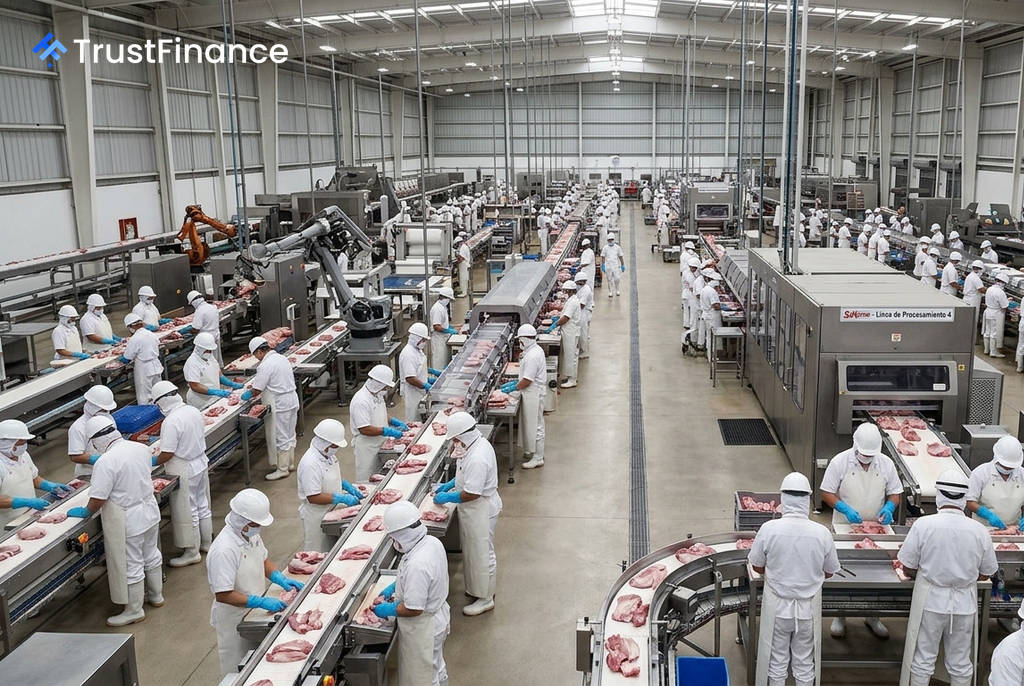
The owner of SuKarne, Mexico's largest meat exporter, is exploring a sale that could value the company at over $2 billion, according to people familiar with the matter. The potential transaction would represent a significant M&A event in North America's highly consolidated animal protein sector.
The Potential Deal
SuKarne is working with investment banks Rabobank and BBVA on the sale process, the sources said, speaking on the condition of anonymity as the discussions are private. They cautioned that a deal is not guaranteed.
SuKarne and Rabobank did not respond to requests for comment, while BBVA declined to comment on the matter. The company was founded in 1969 and is currently run by Chairman and CEO Jesús Vizcarra Calderón, the son of the founders and the majority owner.
Strategic Importance
SuKarne holds a dominant position in its home market, accounting for nearly 75% of Mexico’s total meat exports, according to its website. A potential buyer would gain a significant, vertically integrated operation spanning cattle feeding, meat processing, and distribution of beef, pork, and chicken.
 Ad
This structure offers exposure to the entire protein supply chain in Mexico. While the North American market is already dominated by giants like Tyson Foods, Cargill, JBS, and National Beef Packing Co., SuKarne's extensive operations and international presence across four continents could make it an attractive acquisition target.
Industry Context
This exploration of a sale follows a turbulent period for the cross-border cattle industry. More than a year ago, the U.S. banned Mexican cattle imports over concerns about the New World screwworm pest. This restriction strained the U.S. beef industry, which was already dealing with historically low domestic cattle supplies, and contributed to record-high beef prices.
Conversely, the U.S. import ban spurred investment in Mexico's domestic cattle feeding and processing capabilities, boosting the country's beef exports to the United States. In July, the U.S. Department of Agriculture announced it would begin a phased reopening of the border to Mexican cattle imports.
Read next
More on Stocks
FTC Orders Walmart, Uber, Delta to Disclose Data on Personalized Pricing
The U.S. Federal Trade Commission is demanding nine major companies, including leading retail, travel, and gig economy firms, to provide information on how they use consumer data for setting individual prices and wages.

Google Launches Gemini 4 Carbon AI Model to Bolster Cybersecurity Capabilities
Alphabet's Google has unveiled Gemini 4 Carbon, its latest AI model specifically designed for advanced cybersecurity tasks like vulnerability detection and secure code generation. The launch escalates competition with rivals OpenAI and Anthropic in the enterprise AI market.

Oracle Shares Surge After Unveiling $225 Billion Revenue Target for 2030
Oracle stock rose sharply after the company presented a long-term financial outlook targeting at least $225 billion in annual revenue by fiscal 2030, driven by its expanding AI infrastructure business.

DOJ Scrutinizes Nvidia's $12.9B Hugging Face Deal Amid Broader Antitrust Probe, Sources Say
The U.S. Department of Justice is reportedly examining Nvidia's planned $12.93 billion acquisition of AI platform Hugging Face as part of a wider, ongoing antitrust investigation into the chipmaker's market conduct.