
Story
Meta Withdraws AI Image Feature Days After Launch Amid Privacy Backlash
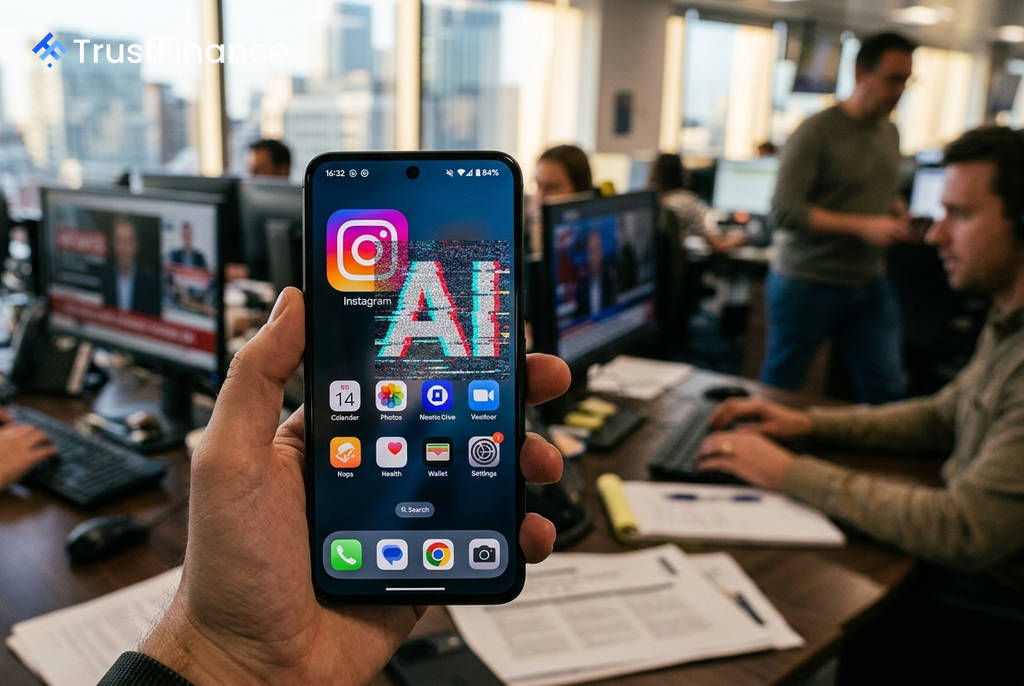
Meta Platforms has discontinued a new artificial intelligence feature that generated images using public Instagram photos, pulling the tool just days after its launch following widespread criticism over user privacy and consent. The company acknowledged on Friday that the feature "missed the mark."
Swift Reversal
The tool, named Muse Image, was launched on Tuesday as the first image-generation model from Meta Superintelligence Labs. Integrated into the Meta AI chatbot, it allowed users to create and edit images by referencing publicly available photos on Instagram.
By Friday, Meta had reversed its decision. "Our intent was to provide a useful creative tool and to give people control over whether their public content could be referenced in this way," the company said in a statement. "We’ve heard the feedback that this feature missed the mark, so it’s no longer available."
Criticism Over Automatic Opt-In
The primary source of the backlash was the feature's implementation as an automatic opt-in, meaning users' public photos were eligible for use by the AI model by default unless they manually changed their settings.
 Ad
Prominent figures, including Emmy-winning actor Hannah Einbinder, publicly criticized the policy. The SAG-AFTRA union, representing actors and media professionals, also urged its members on Thursday to opt out of the feature. "Anything other than a clear and conspicuous opt-in for these types of uses of Instagram users’ images is unacceptable," the union stated.
Industry Implications
Following Meta's decision, SAG-AFTRA welcomed the move, calling it "the responsible thing to do" and highlighting the "dangers of nonconsensual digital replicas." The rapid withdrawal underscores the increasing pressure on technology companies to provide users with transparent control over how their data is used for training and operating generative AI models.
For investors, this event signals potential reputational and operational risks for companies that misjudge public sentiment on AI and data privacy. The incident highlights how a failure to anticipate user reaction can lead to costly and abrupt reversals of product strategy in the highly competitive AI landscape.