
Story
Maruti Suzuki Forecasts Indian Auto Market to Hit 6.3 Million Units by FY31
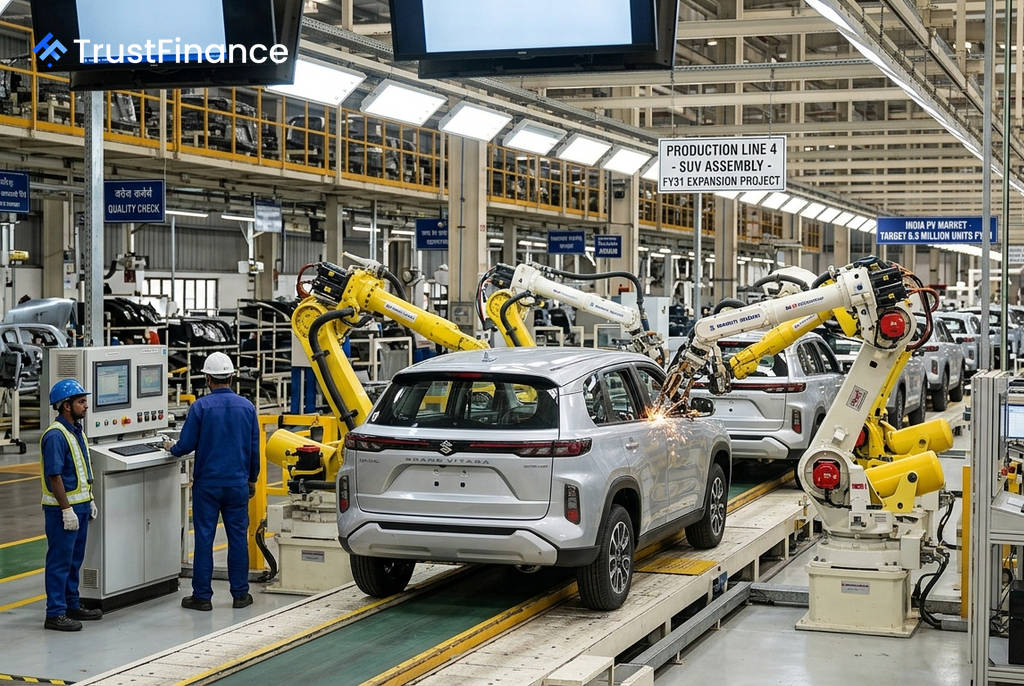
Maruti Suzuki India, the nation's largest automaker, anticipates the domestic passenger vehicle market will grow to between 6.1 million and 6.3 million units by the 2030-31 fiscal year. The forecast, detailed in a statement accompanying its annual report, is based on an expected revival in demand for small cars combined with sustained strength in the sport utility vehicle (SUV) segment.
Market Outlook and Growth Drivers
According to Chairman R.C. Bhargava, the company is reassessing its five-year growth targets in light of this optimistic outlook. Maruti Suzuki expects the small-car segment, a traditional stronghold for the brand, to expand at a significantly faster rate than it has over the past five years. This projection underpins the company's broader strategy for the coming decade.
The forecast reflects growing confidence in the Indian consumer market and the automotive sector's long-term potential. The projection comes after Maruti reported record performance in fiscal year 2026, selling 2.42 million vehicles and exporting an all-time high of 447,000 units.
Strategic Investments and Expansion
 Ad
To meet the anticipated demand, Maruti Suzuki is planning significant capital expenditures. The company outlined several key initiatives:
- A planned investment of approximately 350 billion rupees ($4 billion) to increase its annual production capacity to 3.65 million vehicles by fiscal 2031.
- The launch of seven new SUV models over the next five to six years to bolster its market share in the rapidly growing category, according to Managing Director and CEO Hisashi Takeuchi.
- An accelerated expansion of 500,000 units of manufacturing capacity during fiscal year 2027.
- An initial investment of 5.61 billion rupees to establish four biogas plants, a move aimed at reducing reliance on imported natural gas and supporting India's net-zero emissions goals.
Operational Focus
Alongside capacity expansion, Maruti Suzuki is prioritizing efforts to de-risk its operations. The company highlighted a focus on localisation, developing alternative sourcing channels, and enhancing supplier capabilities to mitigate potential geopolitical and supply-chain disruptions. The automaker also noted that its relationship with parent company Suzuki Motor Corp has become "closer and more integrated," which helps shorten vehicle development cycles and reduce costs.
Read next
More on Stocks
FTC Orders Walmart, Uber, Delta to Disclose Data on Personalized Pricing
The U.S. Federal Trade Commission is demanding nine major companies, including leading retail, travel, and gig economy firms, to provide information on how they use consumer data for setting individual prices and wages.

Google Launches Gemini 4 Carbon AI Model to Bolster Cybersecurity Capabilities
Alphabet's Google has unveiled Gemini 4 Carbon, its latest AI model specifically designed for advanced cybersecurity tasks like vulnerability detection and secure code generation. The launch escalates competition with rivals OpenAI and Anthropic in the enterprise AI market.

Oracle Shares Surge After Unveiling $225 Billion Revenue Target for 2030
Oracle stock rose sharply after the company presented a long-term financial outlook targeting at least $225 billion in annual revenue by fiscal 2030, driven by its expanding AI infrastructure business.

DOJ Scrutinizes Nvidia's $12.9B Hugging Face Deal Amid Broader Antitrust Probe, Sources Say
The U.S. Department of Justice is reportedly examining Nvidia's planned $12.93 billion acquisition of AI platform Hugging Face as part of a wider, ongoing antitrust investigation into the chipmaker's market conduct.