
Story
Klesch Group Becomes Germany's No. 2 Refiner with Acquisition of BP's Gelsenkirchen Plant
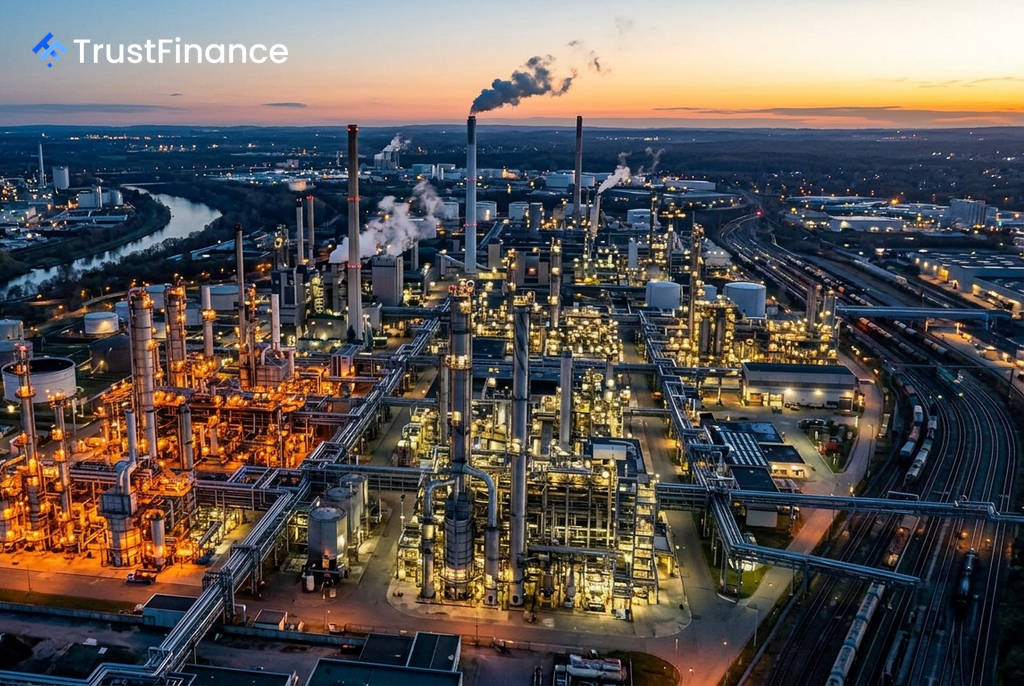
Klesch Group has become Germany's second-largest oil refiner after completing its acquisition of a major BP plc facility in Gelsenkirchen, according to a report from Bloomberg. The deal elevates the Malta-based industrial group's position in the European energy market and has drawn scrutiny from the German government over the security of critical infrastructure.
Deal Transforms German Refining Landscape
The acquisition provides Klesch Group with a facility that processes approximately 265,000 barrels of crude oil per day. The Gelsenkirchen refinery is a key asset, supplying fuels for road transport, aviation, and shipping, while also providing essential feedstock for the regional chemical industry. As part of the transaction, Klesch also becomes the largest shareholder in one of Germany's main crude oil pipeline networks.
This single plant's processing capacity surpasses the combined output of Klesch's two other refineries in Heide, Germany, and Kalundborg, Denmark. For BP, the sale is part of a broader strategy to streamline operations and is expected to reduce its annual operating costs by up to $1 billion.
Shifting Strategies Amid European Pressures
The divestment by BP reflects a wider trend among major energy companies reassessing their European refining portfolios. Many are seeking to offload aging facilities burdened by high operating expenses, stringent environmental regulations, and rising carbon emission costs.
 Ad
However, the transaction comes at a time of heightened pressure on Europe's fuel supply chains due to the war in Ukraine and conflict in the Middle East. Disruptions to Russian refined product exports have tightened the markets for diesel and jet fuel, subsequently boosting refining profit margins across Europe and making such assets potentially attractive to new owners.
Government Oversight and Security Concerns
Given the refinery's strategic importance, the German government reviewed the sale and attached several conditions to its approval. Klesch Group is required to continue implementing measures that safeguard national energy security and maintain a stable supply to other critical infrastructure operators.
German authorities retain the right to oversee the plant's operations and can revoke Klesch's license if these conditions are violated. The deal highlights a growing pattern of private commodity groups and investment firms acquiring refineries from publicly listed oil giants. This trend has raised concerns about transparency and long-term investment commitment, as private entities often have less stringent disclosure requirements. Despite these concerns, the acquisition secures the future of the Gelsenkirchen plant, which supports thousands of local jobs.
Read next
More on Stocks
FTC Orders Walmart, Uber, Delta to Disclose Data on Personalized Pricing
The U.S. Federal Trade Commission is demanding nine major companies, including leading retail, travel, and gig economy firms, to provide information on how they use consumer data for setting individual prices and wages.

Google Launches Gemini 4 Carbon AI Model to Bolster Cybersecurity Capabilities
Alphabet's Google has unveiled Gemini 4 Carbon, its latest AI model specifically designed for advanced cybersecurity tasks like vulnerability detection and secure code generation. The launch escalates competition with rivals OpenAI and Anthropic in the enterprise AI market.

Oracle Shares Surge After Unveiling $225 Billion Revenue Target for 2030
Oracle stock rose sharply after the company presented a long-term financial outlook targeting at least $225 billion in annual revenue by fiscal 2030, driven by its expanding AI infrastructure business.

DOJ Scrutinizes Nvidia's $12.9B Hugging Face Deal Amid Broader Antitrust Probe, Sources Say
The U.S. Department of Justice is reportedly examining Nvidia's planned $12.93 billion acquisition of AI platform Hugging Face as part of a wider, ongoing antitrust investigation into the chipmaker's market conduct.