
Story
KEPCO Proposes Samsung, SK Hynix Pay Billions Upfront for Power Grid Expansion: Report
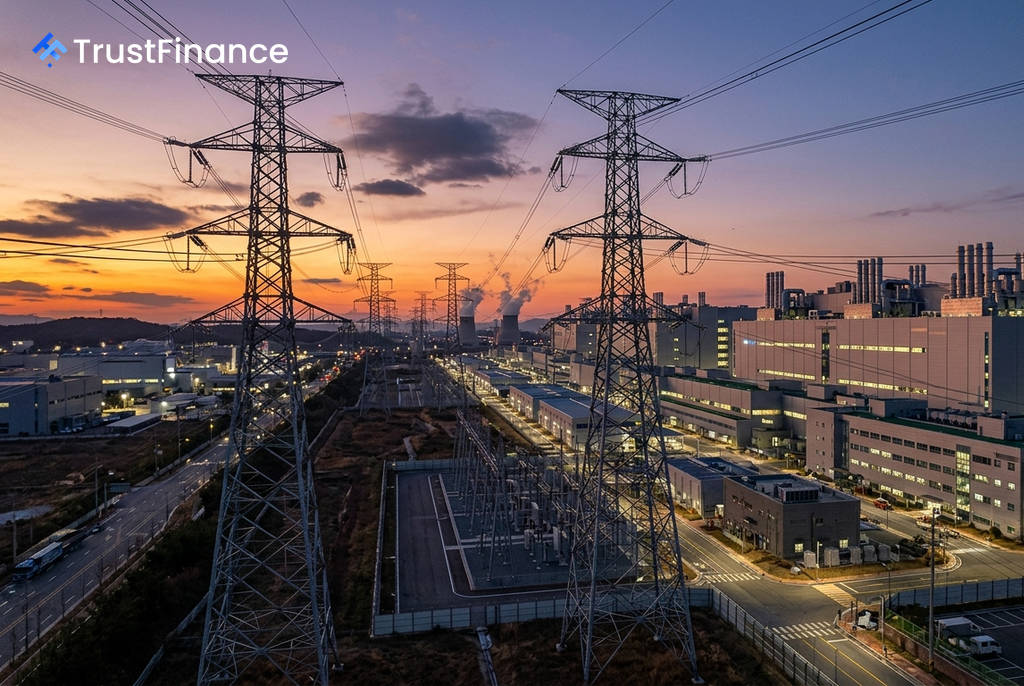
Korea Electric Power Corp. (KEPCO), South Korea's state-run utility, has proposed that Samsung Electronics and SK Hynix make substantial advance payments for future electricity consumption to help fund necessary grid expansion, according to a report from the Chosun Ilbo newspaper.
The Proposal
The report, which cited an internal KEPCO document, outlined significant upfront payments from the country's two largest semiconductor manufacturers. The key figures proposed are:
- Samsung Electronics: 20 trillion won (approximately $15 billion) for electricity supply through 2031.
- SK Hynix: 5 trillion won.
This unconventional financing model is designed to secure capital for the extensive infrastructure upgrades required to meet the rapidly growing power demands of the nation's high-tech industries.
KEPCO Confirms Discussions
 Ad
In a statement to Reuters, KEPCO confirmed that it had suggested an advance payment program to its major industrial customers, including Samsung and SK Hynix. The utility serves as South Korea's primary power provider.
However, KEPCO clarified that the terms of any potential agreement are still under negotiation. The company stated that key details such as corporate participation, interest rates, final payment amounts, and payment periods have not been finalized and remain subject to discussion.
Context for Investors
The proposal highlights the immense strain that the capital-intensive semiconductor industry places on national power grids. As chipmakers build more advanced and power-hungry fabrication plants, utilities like KEPCO must undertake costly expansions to ensure a stable supply of electricity.
By asking the primary beneficiaries of this grid expansion to contribute capital upfront, KEPCO is exploring a novel method to fund critical infrastructure. The outcome of these negotiations could set a precedent for how governments and utilities finance the energy needs of booming technology sectors globally.
Read next
More on Stocks
FTC Orders Walmart, Uber, Delta to Disclose Data on Personalized Pricing
The U.S. Federal Trade Commission is demanding nine major companies, including leading retail, travel, and gig economy firms, to provide information on how they use consumer data for setting individual prices and wages.

Google Launches Gemini 4 Carbon AI Model to Bolster Cybersecurity Capabilities
Alphabet's Google has unveiled Gemini 4 Carbon, its latest AI model specifically designed for advanced cybersecurity tasks like vulnerability detection and secure code generation. The launch escalates competition with rivals OpenAI and Anthropic in the enterprise AI market.

Oracle Shares Surge After Unveiling $225 Billion Revenue Target for 2030
Oracle stock rose sharply after the company presented a long-term financial outlook targeting at least $225 billion in annual revenue by fiscal 2030, driven by its expanding AI infrastructure business.

DOJ Scrutinizes Nvidia's $12.9B Hugging Face Deal Amid Broader Antitrust Probe, Sources Say
The U.S. Department of Justice is reportedly examining Nvidia's planned $12.93 billion acquisition of AI platform Hugging Face as part of a wider, ongoing antitrust investigation into the chipmaker's market conduct.