
Story
JPMorgan Eases Post-IPO Lending Rules to Attract Tech Wealth, FT Reports
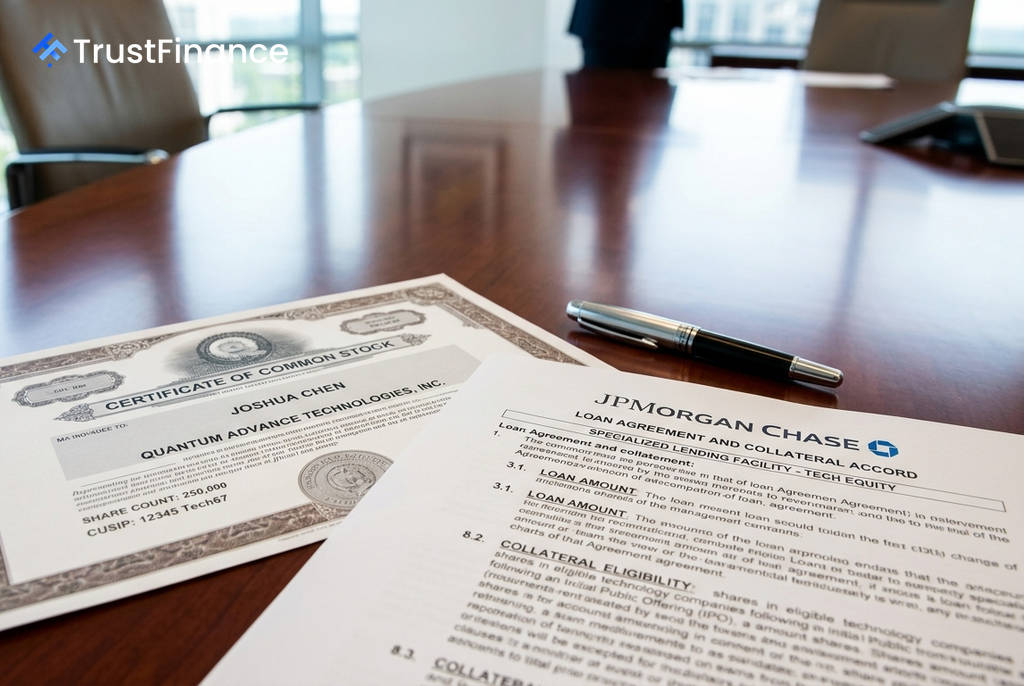
JPMorgan Chase & Co. is adjusting its lending policies for shares in newly public companies in a strategic effort to attract high-net-worth clients from the technology sector, according to a Financial Times report citing people with knowledge of the matter.
Policy Shift Detailed
The bank is reportedly moving away from its standard practice of not accepting stock as loan collateral within the first 135 days following a company's initial public offering (IPO). This period typically aligns with post-IPO lock-up restrictions that prevent insiders from selling their shares.
The policy change was evident before the June IPO of SpaceX, the FT reported. JPMorgan bankers were informed that the firm would lend against shares in the aerospace and AI company sooner than its traditional timeline would permit.
Targeting High-Growth Companies
 Ad
This strategic shift appears aimed at securing business from founders, executives, and early investors at prominent, high-growth technology firms. By offering earlier access to liquidity, JPMorgan can build relationships with a new generation of wealthy clients whose fortunes are often concentrated in their company's stock.
Bankers at JPMorgan reportedly expect a similar exception to be made for the artificial intelligence company Anthropic when it eventually goes public. However, the report noted that no final decision regarding Anthropic has been made.
Implications for Wealth Management
The move positions JPMorgan more competitively in the fierce market for wealth management services catering to the tech industry. Offering loans against restricted post-IPO stock allows these clients to unlock capital for diversification, investment, or personal spending without having to sell their holdings, which can have significant tax implications and affect their ownership stake.
Read next
More on Stocks
FTC Orders Walmart, Uber, Delta to Disclose Data on Personalized Pricing
The U.S. Federal Trade Commission is demanding nine major companies, including leading retail, travel, and gig economy firms, to provide information on how they use consumer data for setting individual prices and wages.

Google Launches Gemini 4 Carbon AI Model to Bolster Cybersecurity Capabilities
Alphabet's Google has unveiled Gemini 4 Carbon, its latest AI model specifically designed for advanced cybersecurity tasks like vulnerability detection and secure code generation. The launch escalates competition with rivals OpenAI and Anthropic in the enterprise AI market.

Oracle Shares Surge After Unveiling $225 Billion Revenue Target for 2030
Oracle stock rose sharply after the company presented a long-term financial outlook targeting at least $225 billion in annual revenue by fiscal 2030, driven by its expanding AI infrastructure business.

DOJ Scrutinizes Nvidia's $12.9B Hugging Face Deal Amid Broader Antitrust Probe, Sources Say
The U.S. Department of Justice is reportedly examining Nvidia's planned $12.93 billion acquisition of AI platform Hugging Face as part of a wider, ongoing antitrust investigation into the chipmaker's market conduct.