
Story
JBS Co-Owner Lobbied Trump on Beef Tariffs Ahead of Policy Change: WSJ
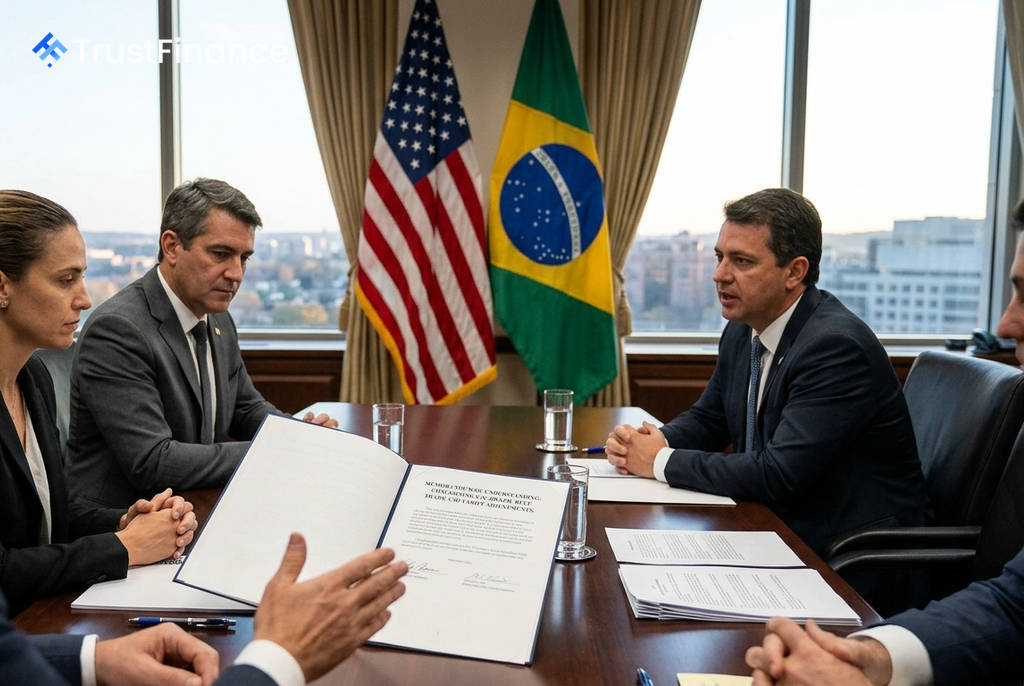
Joesley Batista, a billionaire co-owner of Brazilian meatpacking giant JBS, met with U.S. President Donald Trump on August 20 to advocate for lower U.S. beef import tariffs, The Wall Street Journal reported Monday, citing people familiar with the matter. The meeting reportedly took place just one day before Trump announced a temporary easing of the duties on imported beef.
The Lobbying Effort
According to the Journal's report, Batista argued during the meeting that allowing additional beef supply from Brazil could help moderate high beef prices in the United States. The key obstacle discussed was the 26% import tax currently levied on Brazilian beef.
The proposal aimed to increase the availability of beef in the U.S. market, thereby putting downward pressure on consumer prices. JBS is one of the world's largest meat processing companies and stands to benefit significantly from reduced trade barriers with the U.S.
Policy Change and Market Impact
 Ad
A day after the reported meeting, on August 21, President Trump announced he would temporarily ease beef tariffs to help lower prices for American consumers. In his announcement, Trump stated that imported ground beef would subsequently sell for 25% below current prices.
This policy shift could have several market implications:
- For JBS: Lower tariffs would grant the company more favorable access to the lucrative U.S. market, potentially boosting its export volumes and revenue.
- For U.S. Producers: Domestic cattle ranchers and meatpackers may face increased competition from a larger volume of less expensive Brazilian imports.
- For Consumers: The move is intended to provide relief from high beef prices at the retail level.
It is important to note that Reuters, which originally reported on the WSJ story, stated it could not immediately and independently verify the report of the meeting. The direct link between the lobbying effort and the policy change is based on the timing of the events as reported by the Journal's sources.
Read next
More on Stocks
FTC Orders Walmart, Uber, Delta to Disclose Data on Personalized Pricing
The U.S. Federal Trade Commission is demanding nine major companies, including leading retail, travel, and gig economy firms, to provide information on how they use consumer data for setting individual prices and wages.

Google Launches Gemini 4 Carbon AI Model to Bolster Cybersecurity Capabilities
Alphabet's Google has unveiled Gemini 4 Carbon, its latest AI model specifically designed for advanced cybersecurity tasks like vulnerability detection and secure code generation. The launch escalates competition with rivals OpenAI and Anthropic in the enterprise AI market.

Oracle Shares Surge After Unveiling $225 Billion Revenue Target for 2030
Oracle stock rose sharply after the company presented a long-term financial outlook targeting at least $225 billion in annual revenue by fiscal 2030, driven by its expanding AI infrastructure business.

DOJ Scrutinizes Nvidia's $12.9B Hugging Face Deal Amid Broader Antitrust Probe, Sources Say
The U.S. Department of Justice is reportedly examining Nvidia's planned $12.93 billion acquisition of AI platform Hugging Face as part of a wider, ongoing antitrust investigation into the chipmaker's market conduct.