
Story
Iran Threatens Military Escalation if US Fails to Honor Deal Within Weeks
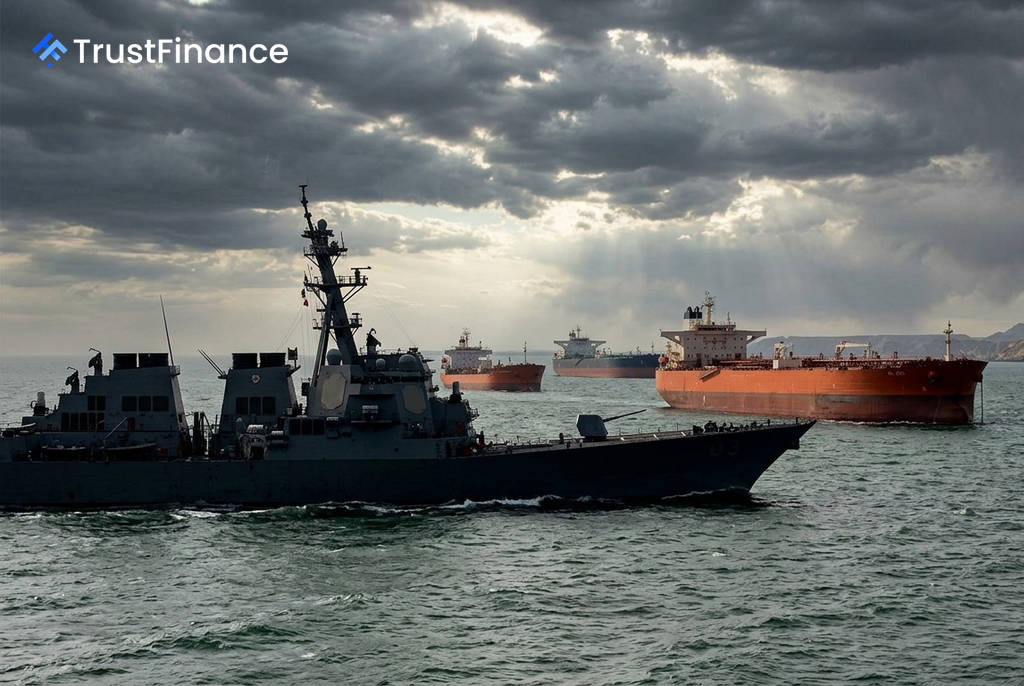
Iran has issued an ultimatum to the United States, demanding full implementation of an interim peace agreement within weeks and threatening military escalation if the deadline is not met, a senior Iranian official told Reuters on Monday.
The warning signals a significant increase in tensions after recent diplomatic efforts to bring Tehran and Washington back to the negotiating table have stalled.
Details of the Ultimatum
According to the official, the U.S. must implement all provisions of a June agreement within a "short period of a few weeks." This has been set as a precondition for any further negotiations between the two countries. Mediators are reportedly set to share the details of Tehran's deadline with Washington and regional states.
If the U.S. does not comply, the official warned that Iran is prepared to:
- Escalate tensions in the Strait of Hormuz and the wider region.
- Conduct a "timely and precise" military attack to break the U.S. naval blockade.
 Ad
Market and Geopolitical Implications
The threat of military action in the Strait of Hormuz carries significant implications for global energy markets. The strait is a vital chokepoint for a large portion of the world's seaborne oil trade, and any disruption could cause a sharp spike in crude oil prices and trigger widespread market volatility.
The official's comments indicate a strategic shift in Tehran's policy from what was described as "defence to offence," citing a loss of confidence in the diplomatic process with Washington. "It is a proven fact that the U.S. is not serious about a ceasefire and won’t commit to any," the official told Reuters.
Diplomatic Context
This development follows a period of diplomatic deadlock. Iran's foreign minister has previously stated that the Strait of Hormuz will not reopen until the U.S. first returns to the deal. In contrast, the U.S. Treasury Secretary has warned of unprecedented economic isolation for Iran if it does not adhere to international agreements.
Read next
More on Commodities
U.S. Crude Inventories Post Surprise Draw While Gasoline Stocks Swell, EIA Reports
U.S. crude oil stockpiles fell unexpectedly last week, driven by a surge in exports, while gasoline inventories saw a significant build amid weakening demand, according to the latest EIA data.

UBS Raises Year-End Brent Forecast to $110 on Middle East Supply Risks
UBS has increased its year-end forecast for Brent crude to $110 per barrel, citing escalating supply risks in the Middle East, declining global inventories, and record-high freight costs.

Iran Dismisses Latest Qatari Peace Proposal as 'Unacceptable'
A senior Iranian official has rejected the latest Qatari-mediated draft deal to end the eight-month war, calling the ideas 'unacceptable' and signaling a continued diplomatic impasse. The news comes amid rising oil prices following attacks on Saudi energy infrastructure.

Argentina Poised to Gain EU Soymeal Market Share as Deforestation Rules Hit Brazil
Argentina's soybean industry is preparing to capture a larger share of the European Union's soymeal market as new EU anti-deforestation rules are expected to disrupt exports from rival Brazil.