
Story
Intel to Acquire Quantum Software Firm Classiq for a Reported $2.3 Billion
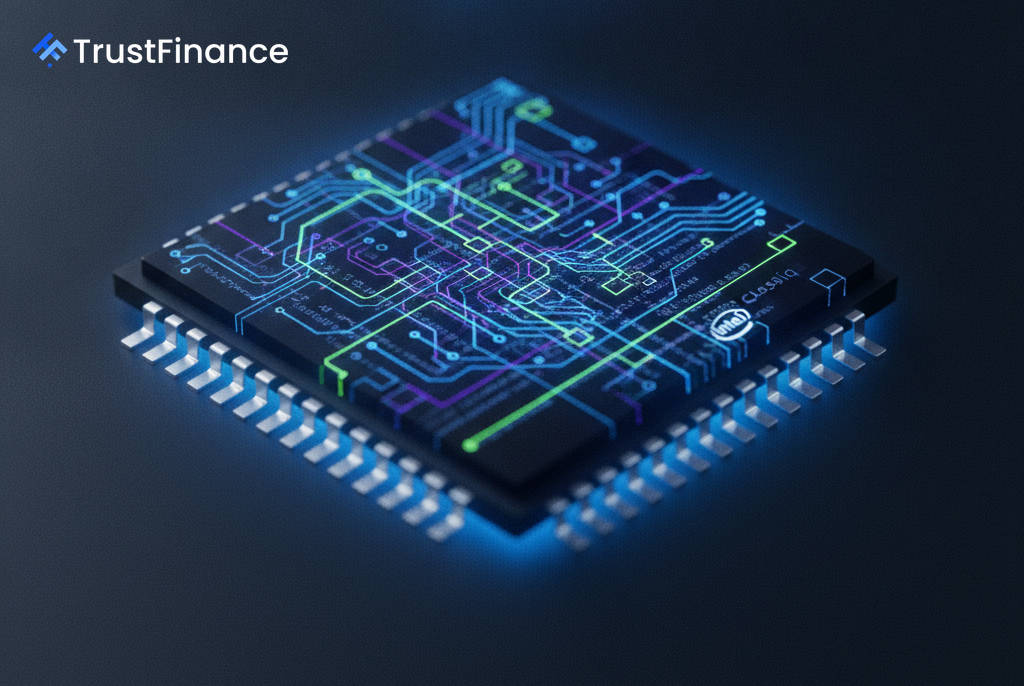
Intel Corp. has agreed to acquire Israeli quantum-software company Classiq, a significant move to bolster its position in the quantum computing field. While Intel did not disclose financial terms, a Bloomberg report put the value of the transaction at approximately $2.3 billion.
The deal, announced after market close on Monday, is expected to be finalized in the first half of 2027, pending customary regulatory approvals. The acquisition marks one of the largest bets by an established technology giant on the future of quantum computing.
Strategic Rationale
Classiq specializes in the software layer of the quantum stack, providing a platform that helps developers create and translate complex quantum algorithms into code that can run on various types of quantum hardware. This acquisition is designed to complement Intel's own long-standing hardware development efforts, which have focused on creating silicon-based "spin qubits."
By integrating Classiq's software expertise with its hardware research, Intel aims to offer a more complete and vertically integrated quantum computing solution. The move signals an ambition to transition quantum technology from a laboratory research project into a commercially viable business line.
Implications for the Quantum Sector
 Ad
The acquisition provides a much-needed vote of confidence for the quantum computing industry, which has faced waning investor enthusiasm. Many publicly traded quantum companies have seen their stock prices fall sharply amid concerns over high valuations, potential share dilution, and the long road to profitability.
- Stocks such as IonQ, D-Wave Quantum, and Rigetti Computing have all experienced significant declines from their previous highs.
- Intel's multi-billion-dollar investment underscores the strategic importance that major industry players still see in the technology, potentially renewing investor interest.
Cautious Outlook
While Intel's move could help establish a new baseline for sentiment in the sector, it does not erase the fundamental challenges facing quantum computing. Significant technical hurdles related to scalability and demonstrating practical advantages over classical computers for a wide range of problems remain.
A lasting recovery for quantum stocks will likely depend on tangible progress in technology and commercialization, including growing revenue and consistent achievement of technical milestones. For now, the deal serves as a powerful endorsement, but the industry must still prove it can turn long-term promise into near-term business results.
Read next
More on Stocks
Expedia Options Market Braces for 8.7% Post-Earnings Swing
Options data suggests a potential 8.7% move for Expedia Group shares following its upcoming earnings report on November 4. An analysis of past releases shows the stock has a mixed record of meeting or exceeding these implied volatility levels.

Adobe, UnitedHealth Cited for Financial Strength as Fed Rate Pause Looms
An analysis highlights Adobe and UnitedHealth Group for their strong balance sheets and cash flow, positioning them as resilient in a high-interest-rate environment as the Federal Reserve is expected to hold rates steady.

DoorDash Options Market Pricing in 9.8% Swing on Earnings
Options traders are anticipating a potential 9.8% move in DoorDash shares following its earnings report on November 4, according to Bloomberg data. Historically, the stock has exceeded the implied move in three of its past eight announcements.

Flutter Entertainment Options Market Braces for 9.5% Post-Earnings Move
Options traders are pricing in a potential 9.5% swing for Flutter Entertainment's stock following its November 4 earnings report, though historical data shows the market has often underestimated the actual move.