
Story
Ice Cream Makers Adapt to Health Trends as GLP-1 Drugs Impact Sales
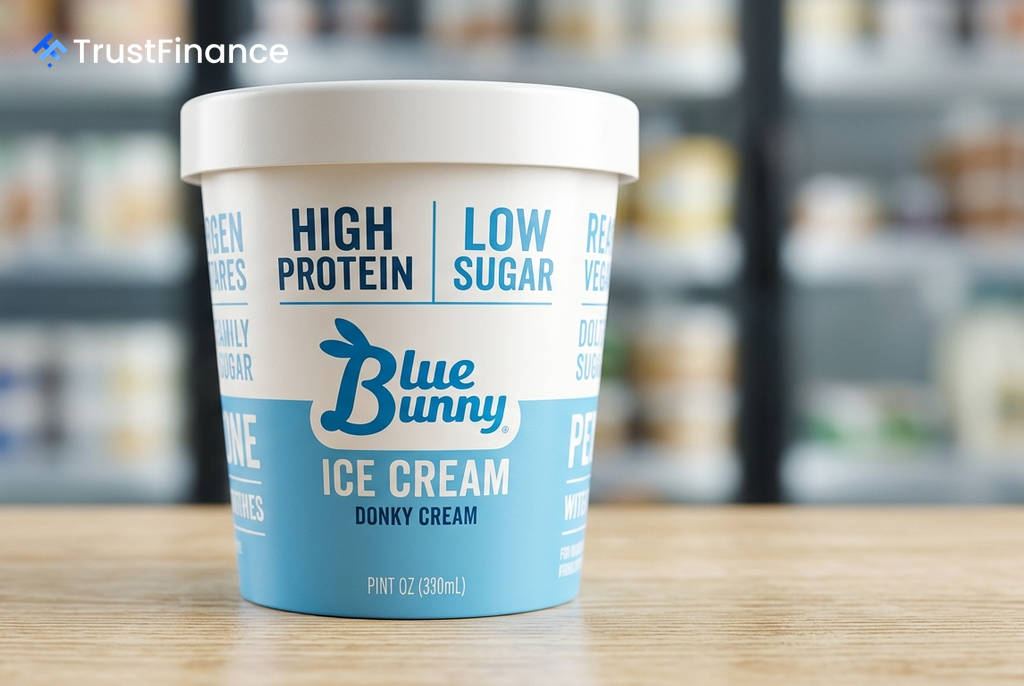
Ice cream producers are responding to shifting consumer habits by developing healthier treats, as industry data reveals a decline in U.S. sales volumes and the growing impact of GLP-1 weight-loss drugs. Companies are betting that consumers still desire indulgent products, but with cleaner ingredient lists, higher protein content, and smaller portion sizes.
Shifting Consumer Appetites
The U.S. ice cream market is facing pressure from a broader wellness movement. According to data from NielsenIQ, U.S. ice cream sales volumes fell 1.5% year-on-year through June 13. This trend is amplified by the increasing use of GLP-1 medications, with research from Boston Consulting Group showing that users of these drugs cut their consumption of frozen treats by at least 10%.
Despite the drop in volume, dollar sales in the U.S. ice cream market increased by approximately 2.8% over the past year, as reported by market research firm Circana. This suggests a consumer shift towards higher-priced, premium products, which NielsenIQ identified as the only market segment to post volume growth.
Industry Responds with Innovation
Leading manufacturers are accelerating their focus on products that align with health trends. The Magnum Ice Cream Company, which owns brands like Ben & Jerry's and Breyers, is increasing its investment in its wellness portfolio.
 Ad
- The company's frozen Greek yogurt brand, Yasso, has achieved average annual growth of around 20% over the last five years.
- Brands like Breyers CarbSmart and Popsicle Sugar-Free are also performing well, particularly among consumers on GLP-1 medications, according to Lisa Vortsman, the company's U.S. chief marketing and innovation officer.
- Magnum's brands currently hold a 26% share of the $2.2 billion U.S. wellness and functional ice cream market.
Other companies are following suit. Ferrero-owned Blue Bunny is reformulating recipes to remove ingredients like high-fructose corn syrup, while its Halo Top brand, which focuses on lower-calorie, high-protein options, has reported double-digit percentage sales growth over the last two years, outpacing the wider market's 2.5% growth, per Circana.
The Future of Indulgence
The central challenge for the industry is to adapt to new consumer expectations without sacrificing the taste and experience that define ice cream as a treat. "Consumers have stopped giving indulgence a free pass," said Chris Costagli, Vice President of Food Thought Leadership at NielsenIQ.
This sentiment is echoed by producers who believe that when consumers choose to indulge, they will opt for a higher-quality experience. "If you are on GLP-1, if you’re going to have a treat, you want it to be a really brilliant thing," Matt Frost, executive director at European private-label producer Glacier, told Reuters. This focus on premium, yet mindful, indulgence is expected to shape product development across the sector.
Read next
More on Stocks
FTC Orders Walmart, Uber, Delta to Disclose Data on Personalized Pricing
The U.S. Federal Trade Commission is demanding nine major companies, including leading retail, travel, and gig economy firms, to provide information on how they use consumer data for setting individual prices and wages.

Google Launches Gemini 4 Carbon AI Model to Bolster Cybersecurity Capabilities
Alphabet's Google has unveiled Gemini 4 Carbon, its latest AI model specifically designed for advanced cybersecurity tasks like vulnerability detection and secure code generation. The launch escalates competition with rivals OpenAI and Anthropic in the enterprise AI market.

Oracle Shares Surge After Unveiling $225 Billion Revenue Target for 2030
Oracle stock rose sharply after the company presented a long-term financial outlook targeting at least $225 billion in annual revenue by fiscal 2030, driven by its expanding AI infrastructure business.

DOJ Scrutinizes Nvidia's $12.9B Hugging Face Deal Amid Broader Antitrust Probe, Sources Say
The U.S. Department of Justice is reportedly examining Nvidia's planned $12.93 billion acquisition of AI platform Hugging Face as part of a wider, ongoing antitrust investigation into the chipmaker's market conduct.