
Story
Homeland Security Proposes Rule to Codify $103,265 H-1B Visa Fee
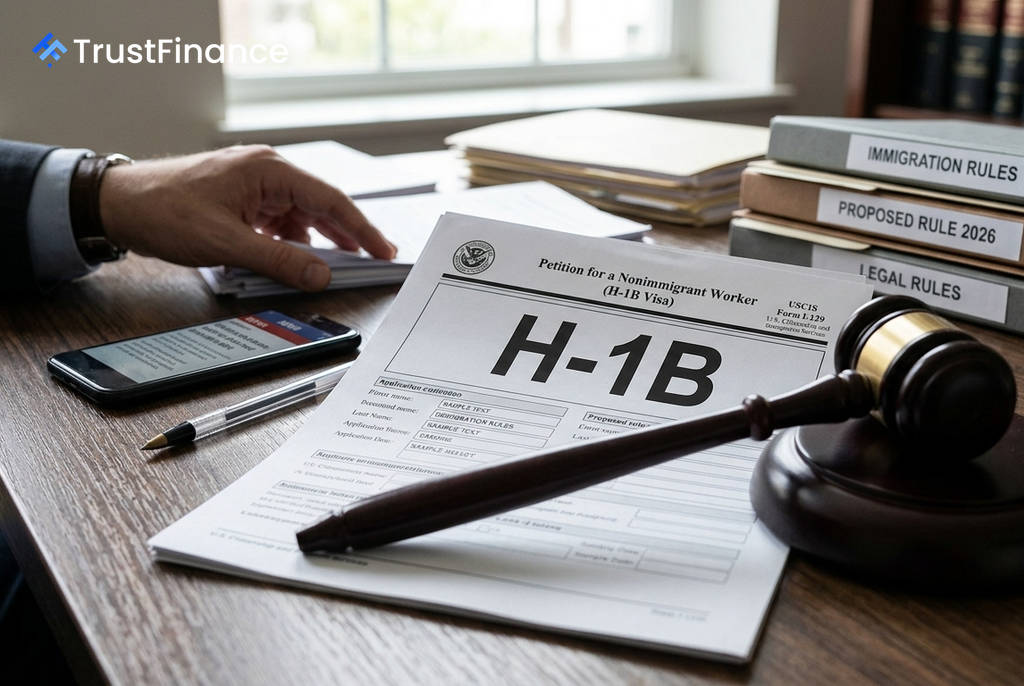
The Trump administration is moving to make permanent an unprecedented fee of over $100,000 for new H-1B visas for highly skilled foreign workers. The U.S. Department of Homeland Security (DHS) released a proposed regulation on Monday to codify the fee, which was first introduced via a presidential proclamation last year but has since been blocked by federal courts.
The Proposed Regulation
The DHS proposal, posted in the Federal Register, would set the fee at $103,265 for certain new H-1B petitions. According to the filing, the rule's publication on Tuesday will initiate a 30-day public comment period, with a final rule potentially in place by the end of the year.
This regulatory effort aims to make permanent a policy from a 2025 presidential proclamation that is set to expire in September. The original measure was halted in June after a federal judge ruled it was illegal, a decision that is now under appeal.
Impact on U.S. Employers
The proposed fee represents a dramatic cost increase for employers, who have historically paid fees between $2,000 and $5,000 per H-1B visa. The H-1B program is heavily utilized by companies in the technology, education, and research sectors to fill roles requiring specialized knowledge.
 Ad
Business groups, such as the U.S. Chamber of Commerce, have argued that the program is essential for recruiting top global talent and addressing skills shortages in the domestic workforce. Critics of the program, including the President, contend it is used by companies to replace American workers with less expensive foreign labor. Data from U.S. Citizenship and Immigration Services (USCIS) shows H-1B registrations last year fell more than 25% from 2024, amid a broader administration crackdown on immigration.
Legal and Political Context
The administration's initial attempt to impose the fee has faced significant legal opposition from business groups, Democratic-led states, and unions. Lawsuits argue the president does not have the authority to unilaterally alter the H-1B program established by Congress and that DHS cannot impose fees to generate revenue without legislative approval.
The administration has countered that the fee is not a tax and falls under the president's broad authority to restrict the entry of foreign nationals deemed detrimental to U.S. interests. Should the new rule be finalized, it is expected to face amended or new legal challenges on similar grounds.
Read next
More on Stocks
FTC Orders Walmart, Uber, Delta to Disclose Data on Personalized Pricing
The U.S. Federal Trade Commission is demanding nine major companies, including leading retail, travel, and gig economy firms, to provide information on how they use consumer data for setting individual prices and wages.

Google Launches Gemini 4 Carbon AI Model to Bolster Cybersecurity Capabilities
Alphabet's Google has unveiled Gemini 4 Carbon, its latest AI model specifically designed for advanced cybersecurity tasks like vulnerability detection and secure code generation. The launch escalates competition with rivals OpenAI and Anthropic in the enterprise AI market.

Oracle Shares Surge After Unveiling $225 Billion Revenue Target for 2030
Oracle stock rose sharply after the company presented a long-term financial outlook targeting at least $225 billion in annual revenue by fiscal 2030, driven by its expanding AI infrastructure business.

DOJ Scrutinizes Nvidia's $12.9B Hugging Face Deal Amid Broader Antitrust Probe, Sources Say
The U.S. Department of Justice is reportedly examining Nvidia's planned $12.93 billion acquisition of AI platform Hugging Face as part of a wider, ongoing antitrust investigation into the chipmaker's market conduct.