
Story
German Finance Minister Blames US-Iran Conflict for Bond Yield Surge
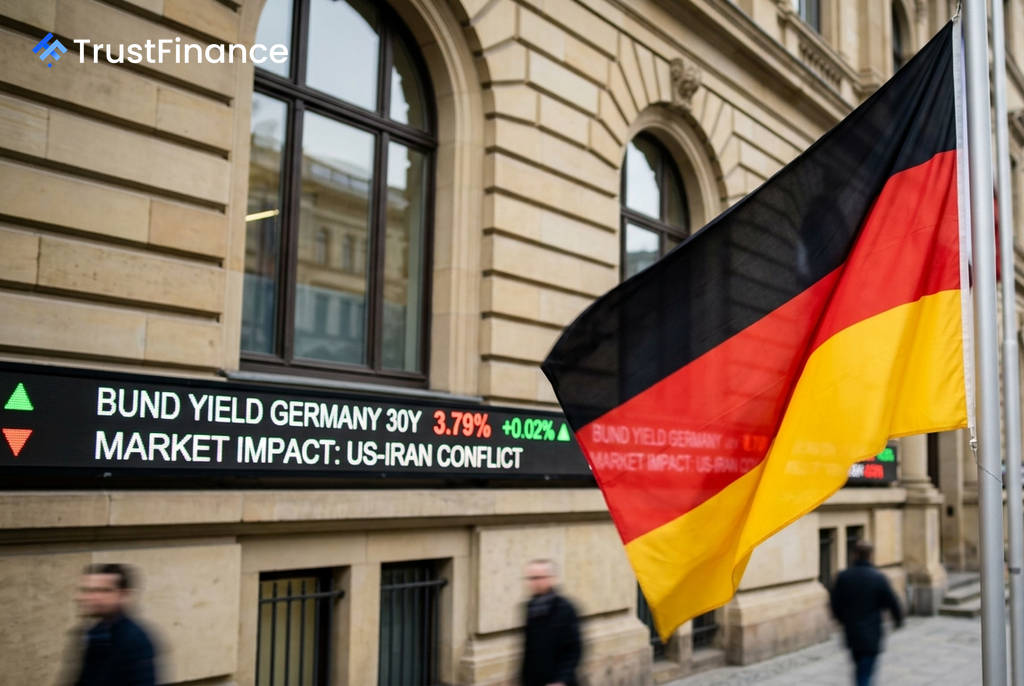
German Finance Minister Lars Klingbeil on Monday identified the conflict between the United States and Iran as the primary driver behind the recent surge in government bond yields. The comments highlight growing concerns among European policymakers about the economic fallout from geopolitical instability.
Klingbeil Cites Geopolitical Risk
Speaking at a press conference in Schaan, Liechtenstein, alongside finance ministers from other German-speaking nations, Klingbeil directly linked market movements to the conflict. "The rise in interest rates in recent days and weeks is the result of global uncertainty triggered by Donald Trump’s war in Iran," he said.
The minister's statement suggests that investors are demanding higher returns to compensate for increased risk and potential inflation stemming from the tensions. The ongoing conflict has seen continued strikes on vessels in the Strait of Hormuz, even as direct military air strikes have not occurred for several weeks, according to reports.
Bond Yields Hit Multi-Year Highs
 Ad
The remarks follow a significant selloff in German government bonds, which serve as the benchmark for the entire euro zone. Key figures from the recent market activity include:
- Germany’s 30-year government bond yield reached 3.79% last week, its highest level since 2011.
- A government bond sale on Sunday saw Germany, the bloc's benchmark issuer, lock in the highest yield for that maturity in 15 years.
This rise in borrowing costs reflects investor anxiety, with inflation concerns tied to the conflict being a significant factor contributing to the bond selloff. When bond prices fall, their yields rise.
Read next
More on Stocks
FTC Orders Walmart, Uber, Delta to Disclose Data on Personalized Pricing
The U.S. Federal Trade Commission is demanding nine major companies, including leading retail, travel, and gig economy firms, to provide information on how they use consumer data for setting individual prices and wages.

Google Launches Gemini 4 Carbon AI Model to Bolster Cybersecurity Capabilities
Alphabet's Google has unveiled Gemini 4 Carbon, its latest AI model specifically designed for advanced cybersecurity tasks like vulnerability detection and secure code generation. The launch escalates competition with rivals OpenAI and Anthropic in the enterprise AI market.

Oracle Shares Surge After Unveiling $225 Billion Revenue Target for 2030
Oracle stock rose sharply after the company presented a long-term financial outlook targeting at least $225 billion in annual revenue by fiscal 2030, driven by its expanding AI infrastructure business.

DOJ Scrutinizes Nvidia's $12.9B Hugging Face Deal Amid Broader Antitrust Probe, Sources Say
The U.S. Department of Justice is reportedly examining Nvidia's planned $12.93 billion acquisition of AI platform Hugging Face as part of a wider, ongoing antitrust investigation into the chipmaker's market conduct.