
Story
Gap Stock Slides After Wells Fargo Downgrade Cites Margin Headwinds
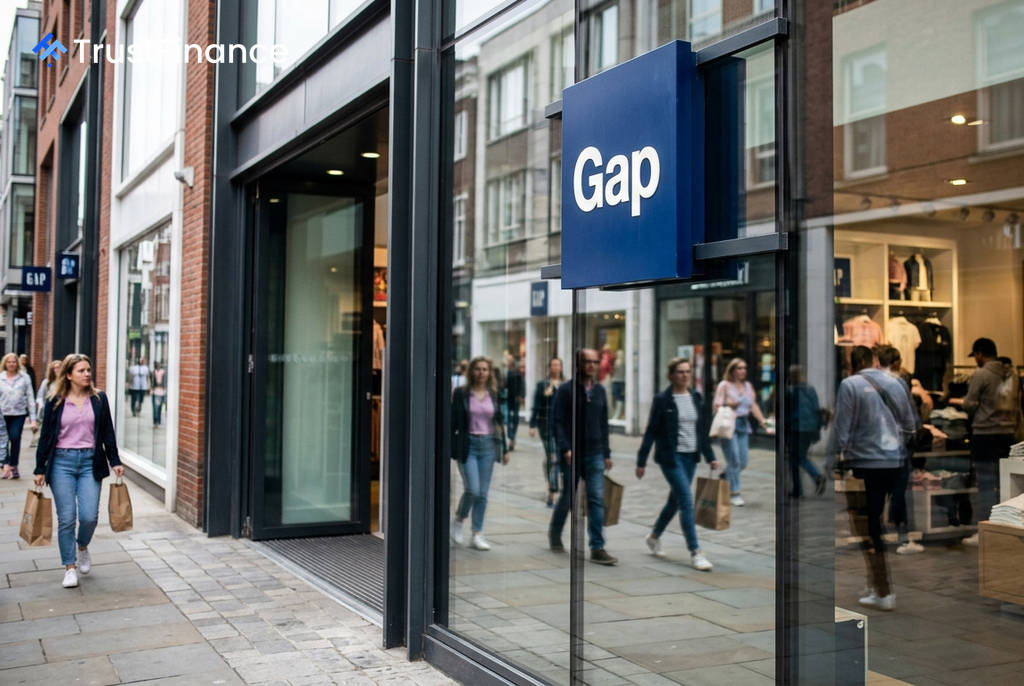
Shares of Gap Inc. (NYSE: GPS) fell in pre-market trading after Wells Fargo downgraded the stock, flagging reduced earnings visibility and a more challenging operating environment for the apparel retailer.
Wells Fargo Lowers Rating
Wells Fargo lowered its rating on Gap to Equal Weight from a previous Overweight and reduced its price target on the stock to $22 from $26. The bank's analysts noted that after two years of significant operating margin expansion, further gains would likely be constrained.
The note highlighted that future merchandise margin and cost leverage face headwinds from potential tariff pressures and a softening consumer backdrop. According to Wells Fargo, Gap's recent margin improvements were driven by tighter cost controls, balanced inventory, and reduced promotional activity.
Broader Turnaround Concerns
The downgrade crystallizes investor concerns that have been present since Gap's first-quarter earnings report in late May. At that time, the company trimmed its full-year net sales growth outlook to a range of 1% to 2%, down from a prior target of 2% to 3%.
 Ad
That guidance cut was largely attributed to what the company called "fashion missteps" at its largest brand, Old Navy, particularly in its women's seasonal collections. The challenges in turning around key brands like Old Navy and Athleta remain a central focus for investors.
Market and Sector Context
In pre-open trading, Gap stock slipped 2.4%, pushing it toward the lower end of its recent trading range and well below its 52-week high of $29.36. The move comes even as the broader market showed modest gains.
The pressures facing Gap are reflective of industry-wide challenges. Other apparel retailers, including Abercrombie & Fitch and American Eagle Outfitters, also contend with tariff-sensitive supply chains and potential pullbacks in discretionary consumer spending, keeping the sector under scrutiny.
Read next
More on Stocks
FTC Orders Walmart, Uber, Delta to Disclose Data on Personalized Pricing
The U.S. Federal Trade Commission is demanding nine major companies, including leading retail, travel, and gig economy firms, to provide information on how they use consumer data for setting individual prices and wages.

Google Launches Gemini 4 Carbon AI Model to Bolster Cybersecurity Capabilities
Alphabet's Google has unveiled Gemini 4 Carbon, its latest AI model specifically designed for advanced cybersecurity tasks like vulnerability detection and secure code generation. The launch escalates competition with rivals OpenAI and Anthropic in the enterprise AI market.

Oracle Shares Surge After Unveiling $225 Billion Revenue Target for 2030
Oracle stock rose sharply after the company presented a long-term financial outlook targeting at least $225 billion in annual revenue by fiscal 2030, driven by its expanding AI infrastructure business.

DOJ Scrutinizes Nvidia's $12.9B Hugging Face Deal Amid Broader Antitrust Probe, Sources Say
The U.S. Department of Justice is reportedly examining Nvidia's planned $12.93 billion acquisition of AI platform Hugging Face as part of a wider, ongoing antitrust investigation into the chipmaker's market conduct.