
Story
FCC Extends Discounted TV Ad Rates to Political Party Committees
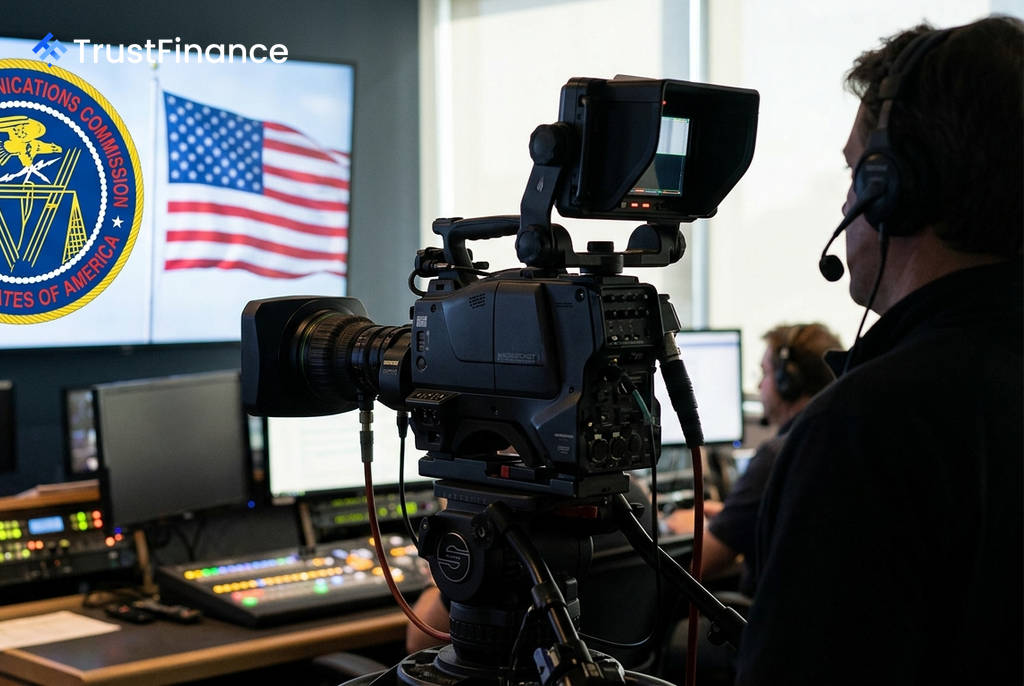
The U.S. Federal Communications Commission (FCC) will now allow political party committees and joint fundraising committees to purchase television advertising at the same steeply discounted rates previously reserved only for candidates. The decision was announced Tuesday, according to a statement from FCC Commissioner Anna Gomez.
Details of the Ruling
Historically, federal law has entitled candidates for public office to the lowest unit charge for broadcast airtime in the weeks leading up to an election. This decision expands that privilege to two other major political fundraising entities:
- Political party committees (e.g., the DNC, RNC)
- Joint fundraising committees, which raise money for multiple candidates and party committees
This change effectively allows these powerful committees to buy significantly more advertising for the same amount of money, stretching their budgets further during critical campaign periods.
Democratic Commissioner Issues Dissent
 Ad
The move drew a sharp rebuke from Commissioner Anna Gomez, the sole Democrat on the three-member commission, who called the decision "illegal." Gomez warned that the ruling would have a profound impact on the final stages of national elections.
"This FCC is unleashing a flood of coordinated campaign money into broadcast advertising, just as the Supreme Court has cleared the way for unlimited coordinated spending between parties and candidates," Gomez said in her statement.
Market and Political Implications
For investors, the FCC's decision could represent a significant tailwind for broadcast media companies. By lowering the cost of entry for major political committees, the ruling is likely to drive a higher volume of political advertising, boosting revenues for television station owners, particularly in election years.
The ruling could also alter the landscape of political campaigning. With access to lower ad rates, party committees may play an even larger and more direct role in advertising efforts, potentially increasing the overall saturation of political messaging on the airwaves leading up to major elections.
Read next
More on Stocks
FTC Orders Walmart, Uber, Delta to Disclose Data on Personalized Pricing
The U.S. Federal Trade Commission is demanding nine major companies, including leading retail, travel, and gig economy firms, to provide information on how they use consumer data for setting individual prices and wages.

Google Launches Gemini 4 Carbon AI Model to Bolster Cybersecurity Capabilities
Alphabet's Google has unveiled Gemini 4 Carbon, its latest AI model specifically designed for advanced cybersecurity tasks like vulnerability detection and secure code generation. The launch escalates competition with rivals OpenAI and Anthropic in the enterprise AI market.

Oracle Shares Surge After Unveiling $225 Billion Revenue Target for 2030
Oracle stock rose sharply after the company presented a long-term financial outlook targeting at least $225 billion in annual revenue by fiscal 2030, driven by its expanding AI infrastructure business.

DOJ Scrutinizes Nvidia's $12.9B Hugging Face Deal Amid Broader Antitrust Probe, Sources Say
The U.S. Department of Justice is reportedly examining Nvidia's planned $12.93 billion acquisition of AI platform Hugging Face as part of a wider, ongoing antitrust investigation into the chipmaker's market conduct.