
Story
ExxonMobil to Automate Half of Permian Rigs by 2028 in Production Push
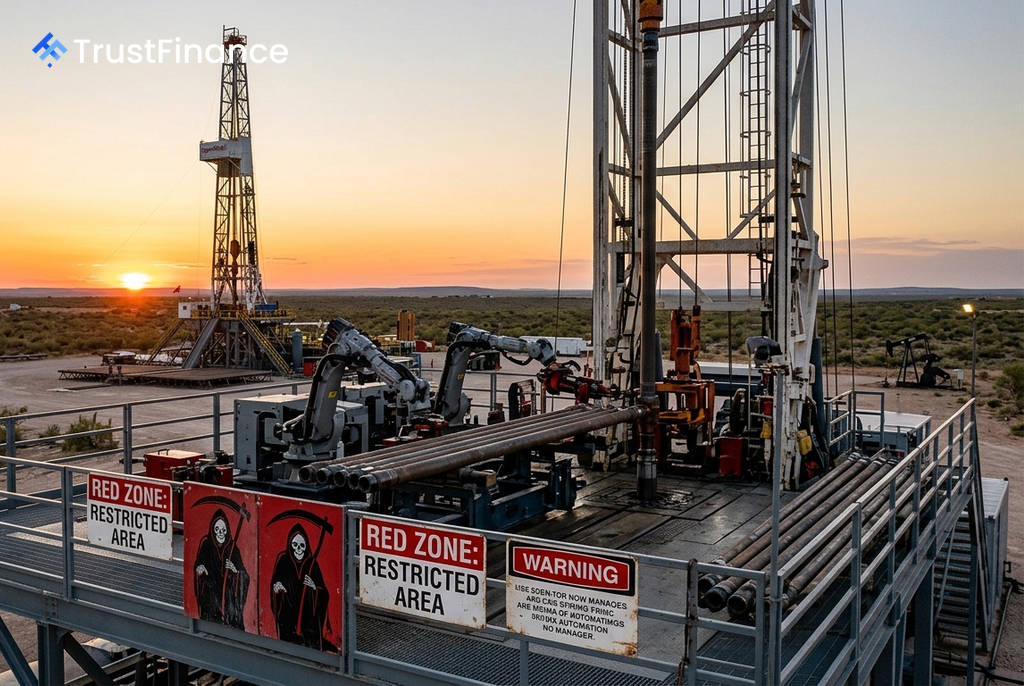
ExxonMobil is significantly expanding its use of robotic drilling technology in the Permian Basin, a strategic move aimed at accelerating oil production and improving operational safety. The energy major plans to transition half of its drilling fleet in the top U.S. oilfield to automated rigs by 2028, an executive told Reuters.
The Automation Strategy
Exxon currently operates two automated rigs out of its more than 30 in the Permian Basin. The company intends to increase that to a quarter of its fleet next year before reaching the 50% target by 2028. The shift involves using robotic arms and machinery to handle heavy steel pipes, a task traditionally performed by workers on the rig floor, one of the most hazardous areas of a drilling operation.
"When we take people off the rig floor, those same individuals are now able to think ahead and plan for the next operation and that combination gives us efficiency," said Bart Cahir, Exxon’s senior vice president of unconventionals, in an interview with Reuters. "This is the productivity play."
Production Goals and Market Context
The move is a key component of Exxon's plan to grow its Permian output by nearly 40% to 2.5 million barrels of oil equivalent per day (boepd) by 2030. This aggressive growth strategy contrasts with that of rival Chevron, which plans to hold its Permian production steady at approximately 1 million boepd to prioritize free cash flow.
 Ad
The push for technological innovation comes as producers seek to overcome the rapid decline rates characteristic of shale wells. Exxon's first automated rig, supplied by Helmerich & Payne, drilled two miles horizontally in just over six days, marking the third-fastest time in the company’s history.
Enhancing Safety and Efficiency
By removing workers from high-risk areas, known as "Red Zones," Exxon aims to significantly reduce accidents. According to Cahir, about a third of significant injuries in well drilling historically occur on the rig floor. Automating these processes allows employees to focus on other operational tasks from a control room, reducing variability and increasing the number of feet drilled per day.
This initiative is part of a broader suite of more than 40 technologies Exxon is developing to potentially double its oil recovery from the Permian's tight rock formations by the early 2030s. The shale industry has typically only extracted about 10% of the available oil in place.
Read next
More on Stocks
FTC Orders Walmart, Uber, Delta to Disclose Data on Personalized Pricing
The U.S. Federal Trade Commission is demanding nine major companies, including leading retail, travel, and gig economy firms, to provide information on how they use consumer data for setting individual prices and wages.

Google Launches Gemini 4 Carbon AI Model to Bolster Cybersecurity Capabilities
Alphabet's Google has unveiled Gemini 4 Carbon, its latest AI model specifically designed for advanced cybersecurity tasks like vulnerability detection and secure code generation. The launch escalates competition with rivals OpenAI and Anthropic in the enterprise AI market.

Oracle Shares Surge After Unveiling $225 Billion Revenue Target for 2030
Oracle stock rose sharply after the company presented a long-term financial outlook targeting at least $225 billion in annual revenue by fiscal 2030, driven by its expanding AI infrastructure business.

DOJ Scrutinizes Nvidia's $12.9B Hugging Face Deal Amid Broader Antitrust Probe, Sources Say
The U.S. Department of Justice is reportedly examining Nvidia's planned $12.93 billion acquisition of AI platform Hugging Face as part of a wider, ongoing antitrust investigation into the chipmaker's market conduct.