
Story
European Gas Prices Hit One-Month High on Strait of Hormuz Supply Fears
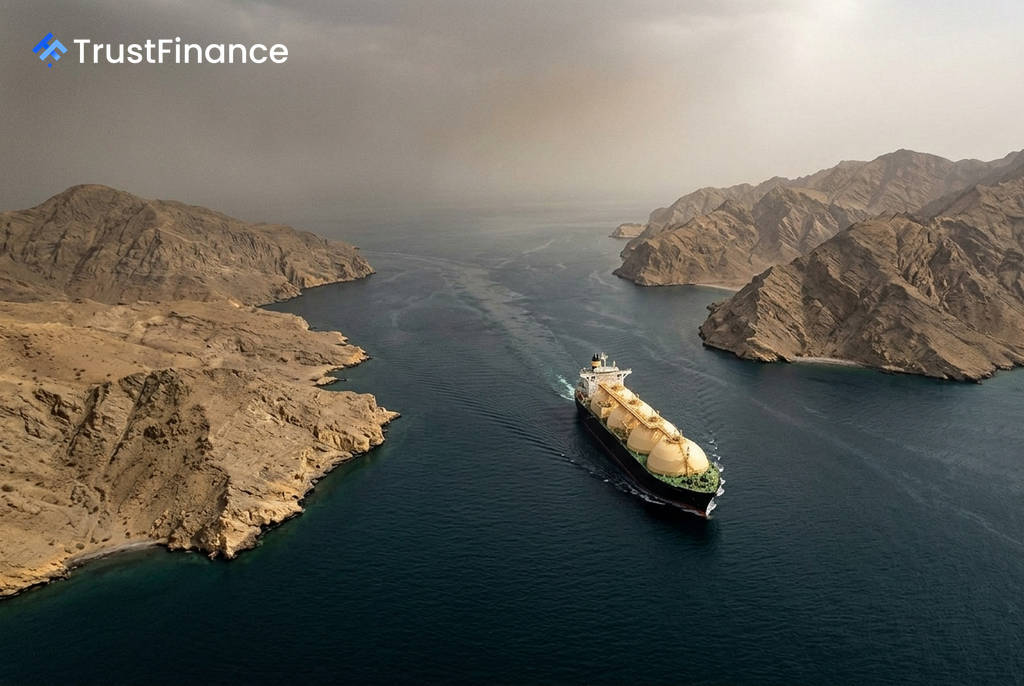
European wholesale natural gas prices surged to a more than one-month high on Monday, driven by acute concerns over global energy supplies after Iran reportedly closed the strategic Strait of Hormuz. The benchmark Dutch front-month contract climbed 3.5% to €50.37 per megawatt-hour in early trading, while the equivalent UK contract rose 4%.
Geopolitical Flashpoint
The immediate catalyst for the market's defensive reaction was a declaration from Iran that the waterway was closed "until further notice" following an escalation in military hostilities. The announcement introduced significant uncertainty, although the U.S. Central Command later maintained that the crucial shipping lane remains open to commercial transit.
The conflicting reports have injected fresh volatility into energy markets. Prior to the weekend, easing tensions had led to a pullback in prices as traders anticipated that a wider conflict could be avoided.
Impact on LNG Supplies
The Strait of Hormuz is a critical chokepoint for global energy flows. Its stability is paramount for the natural gas market for several reasons:
 Ad
- It handles approximately one-fifth of the world's total liquefied natural gas (LNG) trade.
- The majority of exports from Qatar, a major global LNG supplier, pass through the strait.
Any prolonged disruption would severely tighten the global LNG balance, forcing buyers in Europe and Asia to compete for a smaller pool of available cargoes.
Market Outlook
The supply threat comes as Europe works to replenish its gas storage facilities ahead of the 2026/2027 winter heating season. Current inventory levels are reportedly at 47% of capacity, which is below the 56% level recorded at this time last year, according to Investing.com data. This lower buffer makes the region more vulnerable to supply shocks and could intensify price competition with Asian buyers if shipments from the Gulf are curtailed.