
Story
Ergonomic Cushion Boom in China Reveals High Markups, 'Medical-Grade' Marketing Scrutiny
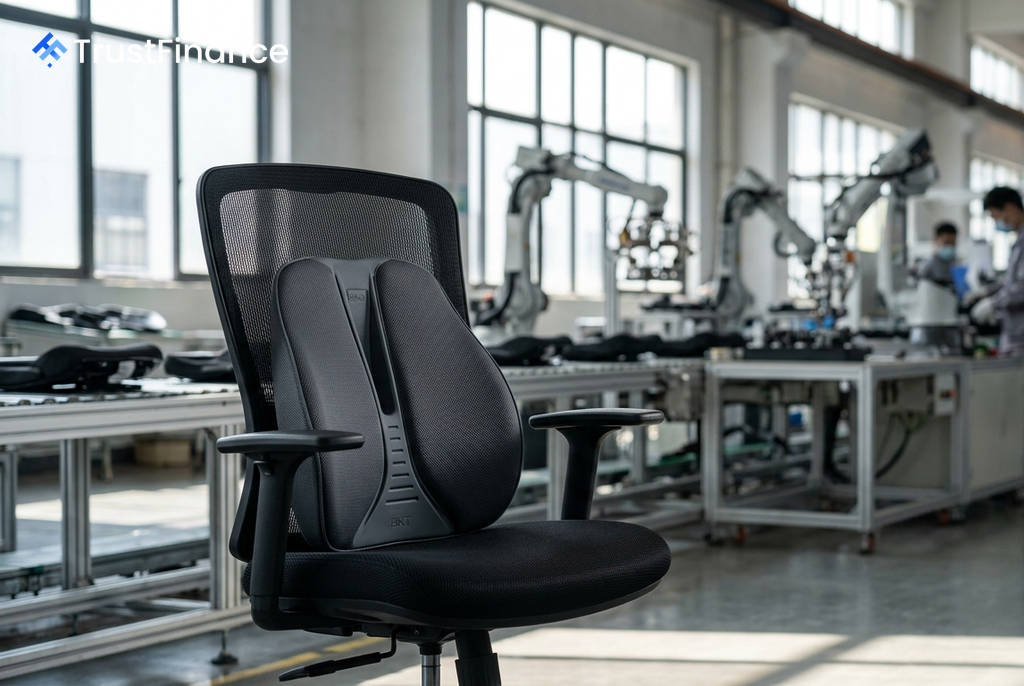
A boom in ergonomic seat cushions, driven by health concerns among China's vast population of office workers, is highlighting significant price markups and questionable marketing practices within the industry. Brands like BKT have seen explosive growth, with one analytics platform showing sales of over 25 million yuan (approx. $3.5 million) in a recent 30-day period, according to data from e-commerce analytics firm Chanmama.
High Margins and OEM Manufacturing
The market's profitability is fueled by a white-label manufacturing model that allows for substantial markups. An investigation by China's *Consumer Report* found that manufacturers are offering these cushions to brands at a fraction of their retail price. One factory representative disclosed that a popular cushion model can be sourced for 75 yuan (approx. $10.50) and typically sells for around 150 yuan, representing a 100% gross margin. Another supplier quoted a wholesale price of 38 yuan (approx. $5.40) for a product that retails for about 80 yuan.
This business model has led to a highly commoditized market where many products are nearly identical in design, differing only by brand logo. Manufacturers often provide a full suite of services, including existing product molds, patents, and testing reports, significantly lowering the barrier to entry for new brands. This reliance on shared designs, however, means brands must compete heavily on marketing rather than product innovation.
"Medical-Grade" Claims Face Legal Questions
A more significant issue emerging is the use of potentially misleading advertising. Some brands are promoting their cushions as "medical-grade," leveraging a Class I medical device registration to imply a therapeutic benefit. However, under China's National Medical Products Administration (NMPA) regulations, the registration for these products—often listed as a "sacral fixator"—classifies them for external support and stabilization, not for treating or preventing medical conditions.
 Ad
Legal experts interviewed by *Consumer Report* argue that "medical-grade" is a marketing term, not an official classification, and its use could mislead consumers into believing the product has proven medical efficacy. According to Zhao Zhanling, a lawyer with Beijing Jiawei Law Firm, such claims may violate China's Advertising Law by going beyond the device's registered intended use. While some brands have secured medical device registrations for their products, leading player BKT has reportedly avoided making direct "medical-grade" claims in its marketing.
Market Context and Expert Warnings
The trend is a direct response to rising rates of lumbar spine disease in China, which the National Health Commission estimates affects over 200 million people. While medical professionals acknowledge these cushions can provide temporary muscle relief and encourage better posture, they warn against over-reliance. Experts cited by state media outlets like CCTV News and China CDC state that prolonged dependence on external support can weaken core muscles, potentially worsening back problems over time.
For investors, the ergonomic cushion market presents a mixed picture. While consumer demand is strong, the industry is characterized by low product differentiation, intense price competition fueled by the OEM model, and growing regulatory risk associated with advertising claims. A brand's value is often tied to its marketing budget and influencer partnerships rather than proprietary technology, posing a risk to long-term sustainability.
Read next
More on Stocks
FTC Orders Walmart, Uber, Delta to Disclose Data on Personalized Pricing
The U.S. Federal Trade Commission is demanding nine major companies, including leading retail, travel, and gig economy firms, to provide information on how they use consumer data for setting individual prices and wages.

Google Launches Gemini 4 Carbon AI Model to Bolster Cybersecurity Capabilities
Alphabet's Google has unveiled Gemini 4 Carbon, its latest AI model specifically designed for advanced cybersecurity tasks like vulnerability detection and secure code generation. The launch escalates competition with rivals OpenAI and Anthropic in the enterprise AI market.

Oracle Shares Surge After Unveiling $225 Billion Revenue Target for 2030
Oracle stock rose sharply after the company presented a long-term financial outlook targeting at least $225 billion in annual revenue by fiscal 2030, driven by its expanding AI infrastructure business.

DOJ Scrutinizes Nvidia's $12.9B Hugging Face Deal Amid Broader Antitrust Probe, Sources Say
The U.S. Department of Justice is reportedly examining Nvidia's planned $12.93 billion acquisition of AI platform Hugging Face as part of a wider, ongoing antitrust investigation into the chipmaker's market conduct.