
Story
Eni CEO Warns Oil Could Top $100 by 2027 on Persistent Mideast Tensions
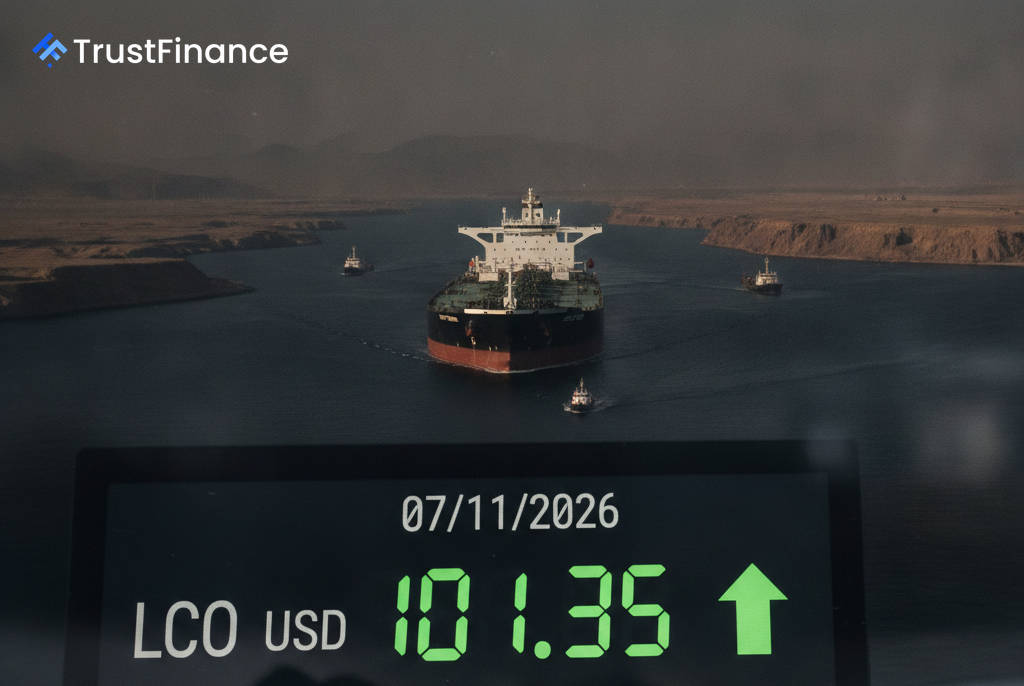
The CEO of Italian energy giant Eni SpA has warned that global crude oil prices could surge past $100 per barrel by the first quarter of 2027 if ongoing conflicts in the Middle East persist. The forecast highlights growing concerns over dwindling global inventories and the finite nature of strategic petroleum reserves.
CEO Cites Dwindling Stockpiles
In an interview with Italy's *Il Sole 24 Ore* published Saturday, CEO Claudio Descalzi stated that while emergency releases from strategic oil stockpiles have so far prevented a sharper price rise, these measures cannot be sustained indefinitely. He cautioned that global reserves are finite and that accelerated stock draws in recent months leave the market increasingly exposed to further geopolitical shocks.
A sustained reduction in inventories removes a critical buffer that has helped absorb previous supply disruptions. Descalzi argued this growing vulnerability could cause prices to break out of their recent $80-$100 per barrel trading range.
Market Context and Geopolitical Risk
Descalzi's long-term warning comes as oil markets factor in a significant geopolitical risk premium. Recent attacks on shipping in the Strait of Hormuz and renewed U.S.-Iran hostilities contributed to strong weekly gains for crude benchmarks.
 Ad
- Brent crude futures settled the week up approximately 5.4% at around $76 a barrel.
- West Texas Intermediate (WTI) futures gained about 4% to close near $71.40 a barrel.
Both benchmarks retreated on Friday as some investors bet that the latest flare-up would remain contained and not significantly disrupt Middle East oil supplies.
A Call for Energy Diversification
The Eni chief asserted that the long-term answer to market stability is improving energy security by diversifying both suppliers and transportation routes. He urged governments to deepen energy ties with producers in North Africa, sub-Saharan Africa, Latin America, and Southeast Asia to reduce reliance on politically sensitive maritime chokepoints.
Descalzi also noted that the rapid expansion of artificial intelligence and data centers is creating a sharp increase in electricity demand, adding urgency to efforts to secure reliable energy. He added that Eni's own limited exposure to the Middle East, with most of its production in Africa and Latin America, makes the company relatively insulated from direct regional disruptions.