
Story
Dollar Strengthens on Safe-Haven Bids as Middle East Tensions Escalate
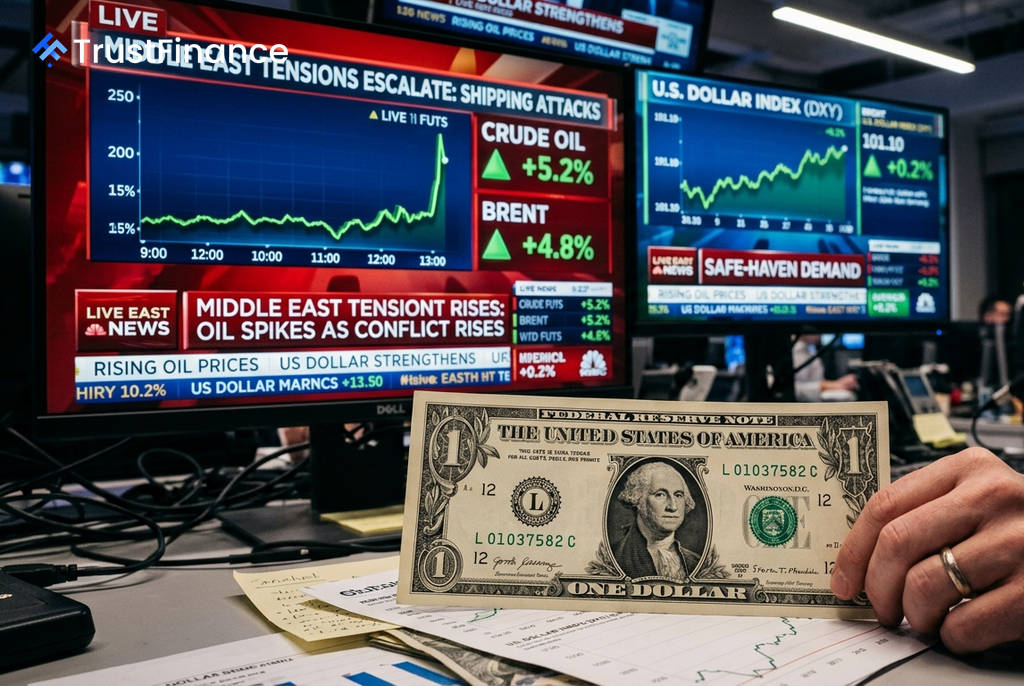
The U.S. dollar strengthened on Tuesday, attracting safe-haven flows as escalating geopolitical tensions in the Middle East overshadowed monetary policy as the market's primary driver. The move came after reports of attacks on commercial ships in the Gulf, prompting a U.S. policy response against Iran.
Gulf Tensions Flare
Investor sentiment soured after the United Kingdom Maritime Trade Operations (UKMTO) reported attacks on three separate oil tankers near the critical Strait of Hormuz. The agency subsequently raised its threat level for the region to "severe."
In response, the U.S. Treasury Department’s Office of Foreign Assets Control revoked a general license authorizing the sale of Iranian petroleum products. According to reports from Reuters and Axios citing a U.S. official, the action was a direct consequence of the attacks, which the official blamed on Iran. Both Qatar and Saudi Arabia identified vessels involved and condemned the incidents.
Market Reaction
The flight to safety pushed the U.S. Dollar Index (DXY), which measures the greenback against a basket of major currencies, up 0.2% to 101.10. The heightened risk also caused oil prices to spike by more than 5%.
 Ad
This geopolitical flare-up has shifted investor focus away from central bank policy, which had been the main driver of currency markets. Traders will still watch for the release of the Federal Reserve's June meeting minutes on Wednesday for further insight into policymakers' views on future interest rates.
Other Currencies Under Pressure
Other major currencies weakened against the dollar. The euro (EUR) fell 0.3% to $1.1411, as stronger-than-expected German industrial production data was offset by a cautious economic outlook from European Central Bank official Fabio Panetta.
The Japanese yen (JPY) remained near multi-decade lows against the greenback, with the USD/JPY pair trading at 162.10. The yen also touched its weakest level against the British pound since 2007, keeping traders on alert for potential intervention from Japanese authorities to support the currency.