
Story
Delivery Hero Leans on Subscriptions to Combat 'Brutal' Competition
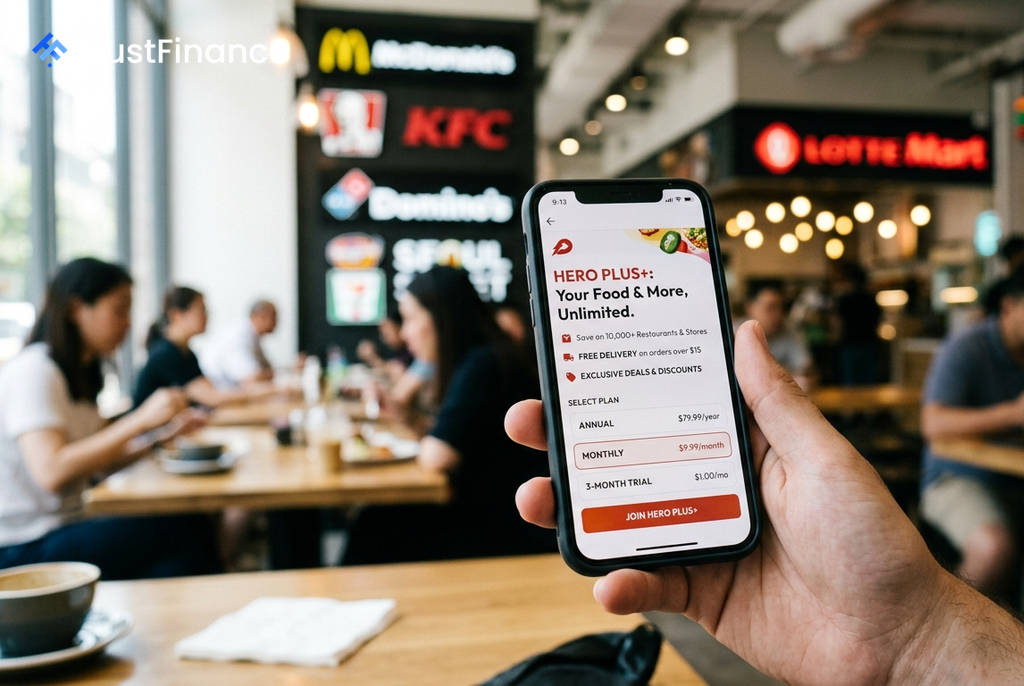
Delivery Hero is increasingly relying on its subscription programs to retain customers and navigate what its CEO Niklas Östberg described as "pretty brutal" competition in its key markets. The strategy is aimed at bolstering customer loyalty as the German food delivery company contends with a takeover offer from U.S. rival Uber.
CEO on Market Conditions
In comments made to Reuters on Thursday, Östberg acknowledged the intense competitive pressure of the past two years but suggested the situation is stabilizing. "The good news is that it’s hard to go from very brutal competition to even worse. So it can only get better," he said, adding that current competition is "not harder than last year." The remarks followed the company's decision earlier in the day to lift its 2026 guidance.
Subscription Strategy Proves Key
Delivery Hero's focus on subscription plans is a strategic defense to protect its market position. Analysts view such programs as a significant advantage for delivery platforms, as they drive repeat orders, reduce customer churn, and allow marketing costs to be spread over a larger volume of transactions.
This approach has yielded significant results in core regions, according to Östberg:
 Ad
- In South Korea, 50% of its customers are subscribers.
- In Saudi Arabia, that figure is approximately 60%.
Östberg noted that expanding the company's offerings beyond just food delivery provides more incentives for customers to subscribe, thereby increasing loyalty. "We are more than a food delivery company today," he stated.
Broader Competitive Context
The strategic shift comes amid significant corporate activity and market pressure. In addition to the pending takeover offer from Uber, Delivery Hero faces growing competition in Asia. The company recently agreed to sell its Foodpanda business in Taiwan to Singapore’s Grab, a move that followed pressure from major shareholders to conduct strategic reviews.
Read next
More on Stocks
FTC Orders Walmart, Uber, Delta to Disclose Data on Personalized Pricing
The U.S. Federal Trade Commission is demanding nine major companies, including leading retail, travel, and gig economy firms, to provide information on how they use consumer data for setting individual prices and wages.

Google Launches Gemini 4 Carbon AI Model to Bolster Cybersecurity Capabilities
Alphabet's Google has unveiled Gemini 4 Carbon, its latest AI model specifically designed for advanced cybersecurity tasks like vulnerability detection and secure code generation. The launch escalates competition with rivals OpenAI and Anthropic in the enterprise AI market.

Oracle Shares Surge After Unveiling $225 Billion Revenue Target for 2030
Oracle stock rose sharply after the company presented a long-term financial outlook targeting at least $225 billion in annual revenue by fiscal 2030, driven by its expanding AI infrastructure business.

DOJ Scrutinizes Nvidia's $12.9B Hugging Face Deal Amid Broader Antitrust Probe, Sources Say
The U.S. Department of Justice is reportedly examining Nvidia's planned $12.93 billion acquisition of AI platform Hugging Face as part of a wider, ongoing antitrust investigation into the chipmaker's market conduct.